Top Landscaping Services in North Cape May, NJ, 08204 | Compare & Call
There are 92 landscaping companies server in North Cape May NJ
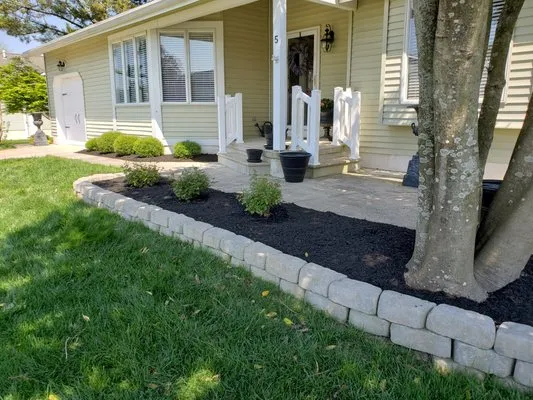
Roach Brothers Lawn Care has built an honored reputation for enhancing Cape May area homes with comprehensive, year-round outdoor care. As a locally-owned and operated business, we specialize in compl...
Lindholms Landscaping is your trusted partner for a healthy, beautiful yard in Rio Grande, NJ. Many local homes face common landscaping challenges, including lawn fungus disease and overgrown shrubs, ...
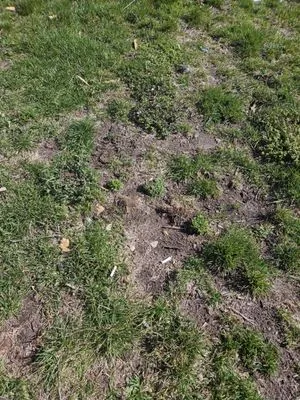
Coastal Landscaping is a full-service landscaping company serving the Rio Grande, NJ community. We specialize in creating and maintaining beautiful, resilient outdoor spaces suited to our coastal envi...

Beeautiful Scapes is a Villas-based landscaping company built on decades of hands-on experience and a personal commitment to integrity and hard work. Owner-operated, the business was founded on the pr...

Founded in 1987, this family-owned landscaping service has been a trusted partner for Cape May homeowners for over three decades. Rooted in the local community, they offer a comprehensive range of ser...
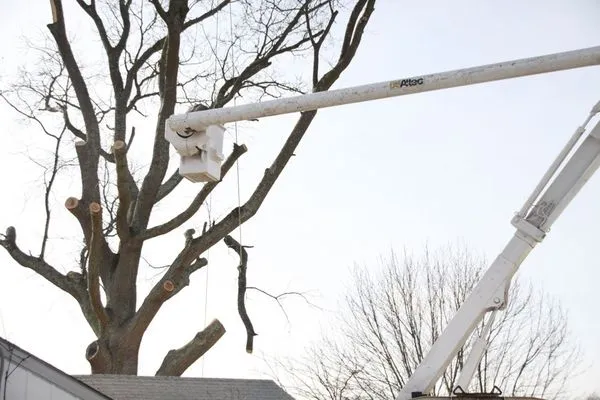
The Tree Barber is a full-service landscaping and tree care company serving Cape May, NJ. We specialize in resolving the area's common issues, such as overgrown shrubs that obscure views and tree root...
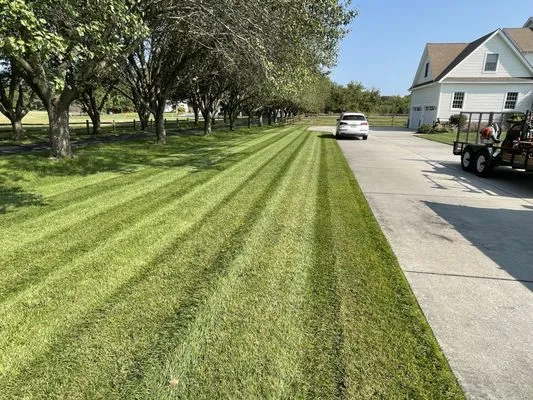
Offshore Lawn Care is a dedicated lawn service provider in North Cape May, NJ, focusing on the specific landscaping challenges of our coastal community. We understand that local homeowners frequently ...
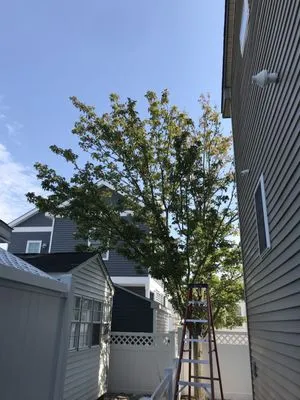
Obi's Lawn Care & Tree Trimming is a locally owned and operated Cape May business dedicated to enhancing your property's health and appearance year-round. We provide a full spectrum of lawn and tree s...
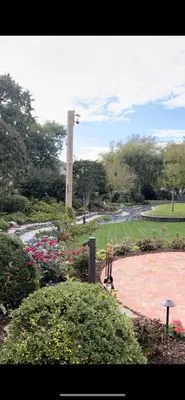
GMS Landscaping serves West Cape May and the surrounding coastal communities, specializing in creating resilient and beautiful outdoor spaces. We understand the unique challenges of our local environm...
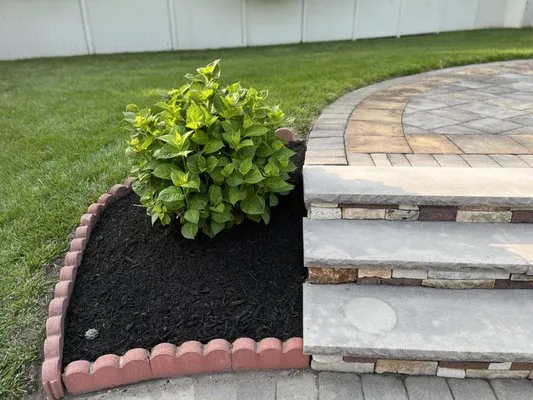
Powers Lawn Care is a dedicated, locally-owned lawn service provider serving Cape May and its surrounding areas. We specialize in comprehensive lawn care solutions tailored to the unique coastal envir...
Estimated Landscaping Service Costs in North Cape May, NJ
Common Questions
What invasive species threaten North Cape May landscapes?
Japanese knotweed and phragmites australis present primary risks in coastal Zone 7b, spreading through rhizome networks in sandy soils. Mechanical removal during dormancy followed by targeted glyphosate applications avoids NJ Fertilizer Law restrictions on nitrogen and phosphorus. Treatment windows occur October-November after blackout dates, with mycorrhizae inoculants applied to restoration areas for rapid native recolonization.
Why does my North Cape May lawn struggle despite regular care?
North Cape May properties average 59 years of soil development since 1967 construction, creating compacted sandy loam with pH 5.5-6.5. This soil profile limits root penetration and nutrient availability for turfgrass. Core aeration every 2-3 years improves permeability while organic amendments like composted leaf mold address cation exchange capacity deficiencies. Proper soil management reduces irrigation demands by 25-30% in coastal environments.
Can I maintain healthy turf under Stage 1 water restrictions?
Wi-Fi ET-based weather sensing irrigation systems preserve Tall Fescue/Kentucky Bluegrass blends while reducing consumption 35-45% versus traditional schedules. These controllers adjust runtime based on evapotranspiration data, soil moisture sensors, and municipal restriction protocols. Properly calibrated systems deliver 0.75-1.0 inches weekly during peak season, maintaining turf health within voluntary conservation parameters through precise moisture distribution.
How can I reduce maintenance while supporting local ecology?
Replacing 40-60% of traditional turf with Seaside Goldenrod, Switchgrass, and Bayberry plantings cuts mowing frequency 50% and eliminates gas-powered blower use during restricted hours. These natives establish deep root systems within 2-3 growing seasons, requiring no supplemental irrigation after establishment. Butterfly Milkweed and Beach Plum additions increase pollinator habitat while creating natural firebreaks for coastal scrub management zones.
What permits and licenses are needed for grading my property?
Grading projects on 0.22-acre North Cape May lots require Lower Township Construction Office permits for earth moving exceeding 50 cubic yards. Contractors must hold New Jersey Division of Consumer Affairs landscaping licenses with specific endorsements for erosion control and stormwater management. Professional licensing ensures compliance with coastal zone regulations regarding drainage patterns and vegetation protection during soil disturbance operations.
Are permeable pavers better than wood for coastal patios?
Permeable concrete pavers provide 25-30 year service life versus wood's 8-12 years in salt-air environments, with 95% less maintenance. Their non-combustible nature supports Moderate Fire Wise ratings through defensible space creation around structures. Installation over 6-inch aggregate bases allows stormwater infiltration while preventing heaving from freeze-thaw cycles common in coastal Zone 7b winters.
What solutions exist for frequent coastal flooding in my yard?
High water tables in sandy loam soils require graded swales directing runoff toward rain gardens with 18-24 inch excavation depths. Permeable concrete pavers achieve 5-8 inch per hour infiltration rates, meeting Lower Township Construction Office runoff standards through subsurface storage chambers. These systems reduce ponding duration by 60-70% while filtering contaminants before reaching groundwater in coastal flood zones.
How quickly can you respond to storm damage for HOA compliance?
Emergency cleanup crews dispatch from the Cape May-Lewes Ferry Terminal area, accessing the Garden State Parkway for North Cape May neighborhood access within 20-30 minutes during peak response windows. This routing prioritizes arterial roads while avoiding residential congestion. Standard protocols include debris quantification, safety perimeter establishment, and documentation for insurance verification within the first service hour.
