Top Landscaping Services in North Arlington, NJ, 07031 | Compare & Call
There are 155 landscaping companies server in North Arlington NJ
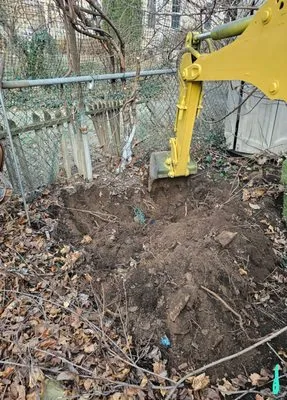
Supreme Excavating
Supreme Excavating is your local partner for earthmoving, site preparation, and equipment rental in Woodbridge, NJ. We focus on providing reliable, compact heavy-duty machinery and skilled excavation ...
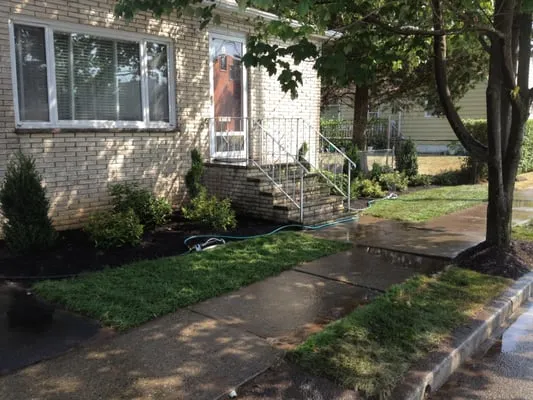
Schellhorn Ground Services is a full-service landscaping company based in Bloomfield, NJ, dedicated to maintaining and enhancing properties throughout all seasons. Whether you need routine maintenance...
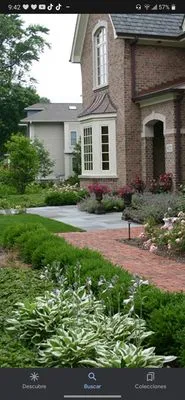
Ckasagy Landscaping has been rooted in East Orange for over 25 years, founded on a genuine love for nature and a dedication to nurturing plants. Our team brings this passion to every project, from rou...
Ferrara Landscaping is a Wayne-based, family-owned company founded by Jonathan Ferrara in 2007. We specialize in comprehensive outdoor solutions, from custom hardscape and masonry construction to seas...
Oceanview Management Group
Oceanview Management Group in Kearny provides comprehensive property support for Hudson County homeowners and investors. Our team specializes in managing residential and commercial properties, from si...

Rojas Lawn Maintenance is a family-owned and operated business founded by brothers Angel and Pablo Rojas in Lyndhurst, NJ. We bring a personal, detail-oriented approach to every project, from routine ...
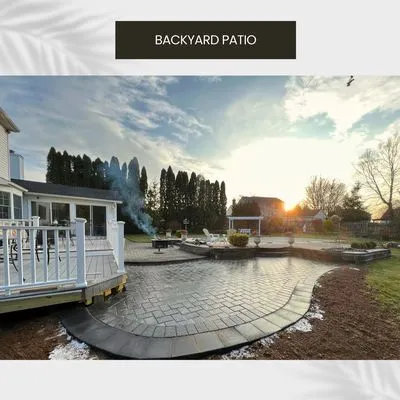
Backyard Bro's is a Union City-based landscaping and hardscaping company dedicated to transforming outdoor spaces across New Jersey. As a local team from Union County, we specialize in creating custom...
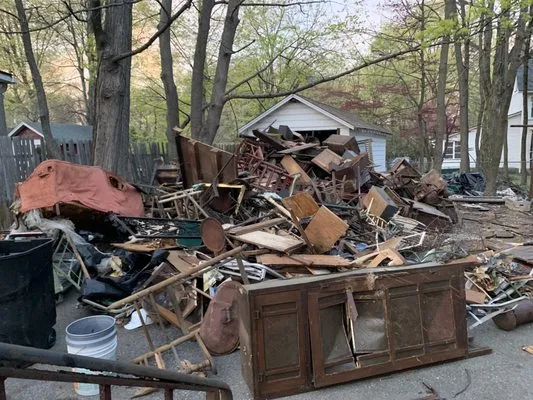
Junkin’ Around is a licensed and insured junk removal and hauling company serving Fair Lawn, NJ, and the surrounding communities. We specialize in responsible disposal and property cleanouts, handling...

Cata Landscaping brings years of specialized experience to every project in Clifton, NJ. As a locally owned and operated business, we understand the specific needs of North Jersey properties. Our team...

For over 40 years, Gary Sandberg and his family have cultivated a deep-rooted presence in North Jersey's nursery business, evolving American Nursery into a trusted wholesale and retail destination for...
Estimated Landscaping Service Costs in North Arlington, NJ
Questions and Answers
How quickly can you respond to storm damage for HOA compliance in North Arlington?
Emergency cleanup crews dispatch from Riverside County Park via NJ-17, arriving within 20-30 minutes during peak conditions. This route avoids residential congestion while providing access to industrial-grade equipment. Response prioritizes safety hazards like downed limbs before addressing aesthetic violations. North Arlington's 8AM-8PM noise ordinance allows daytime restoration work without weekend restrictions.
What solutions work for moderate runoff in North Arlington's floodplain zones?
High water tables in floodplain areas require permeable hardscapes that meet North Arlington Building Department runoff standards. Crushed bluestone installations with 40% void space allow 8-10 inches per hour infiltration, while concrete paver systems with gravel bases provide structural stability. French drains should be installed 18-24 inches deep to intercept groundwater before it surfaces. Grading plans must direct flow away from foundations while maintaining positive drainage toward street inlets.
Are concrete pavers better than wood for North Arlington patios?
Concrete pavers offer 30+ year longevity versus wood's 10-15 year lifespan in USDA Zone 7b freeze-thaw cycles. Their non-combustible nature supports Low Fire Wise ratings by creating defensible space without fuel accumulation. Permeable installation methods meet runoff requirements while preventing heaving from high water tables. Bluestone complements regional geology with natural cleft surfaces that provide slip resistance without sealing maintenance.
Why does my North Arlington Heights lawn have drainage issues and compacted soil?
North Arlington Heights lots built around 1954 have 72-year-old urban fill soil that has settled into sandy loam with moderate permeability. Decades of foot traffic and equipment weight have reduced pore space, creating surface runoff during heavy rain. Core aeration every 2-3 years introduces oxygen channels while compost topdressing adds organic matter to improve water infiltration. Soil testing confirms pH 6.5-6.8 favors turfgrass but requires annual amendments to maintain cation exchange capacity.
What permits and licenses are needed for grading my 0.12-acre lot?
The North Arlington Building Department requires grading permits for soil movement exceeding 2 cubic yards, with engineered plans for slopes over 10%. Contractors must hold New Jersey Division of Consumer Affairs landscaping licenses and liability insurance covering $500,000 minimum. Specialty licensing applies for stormwater management structures connecting to municipal systems. Property line setbacks vary by zoning district but typically require 5-foot buffers from adjacent foundations.
What invasive species threaten North Arlington yards and how are they managed?
Japanese stiltgrass and mugwort spread rapidly in disturbed urban fill soils, outcompeting desirable vegetation. Manual removal before seed set in late summer prevents chemical dependency. For persistent infestations, targeted glyphosate applications follow NJ Fertilizer Law timing restrictions, avoiding phosphorus-containing products. Soil solarization during peak mulching season uses clear plastic to raise temperatures lethal to weed seeds and pathogens without violating blackout dates.
How can I reduce maintenance while preparing for electric equipment mandates?
Replacing high-input turf with native plantings creates resilient landscapes ahead of municipal electric-only initiatives. Common Milkweed and New England Aster establish deep taproots in sandy loam, requiring no irrigation after establishment. Switchgrass buffers provide visual screening while supporting pollinator corridors. Eastern Redbud offers seasonal interest without gas-powered blower cleanup. These plant communities naturally suppress weeds through competition, eliminating chemical applications.
Can smart irrigation keep my Kentucky Bluegrass healthy under water restrictions?
Wi-Fi ET-based systems calculate evapotranspiration rates using local weather data, applying water only when turfgrass needs it. In Stage 1 restrictions, programming delivers 1-1.5 inches weekly through deep, infrequent cycles that encourage root growth below the sandy loam layer. Soil moisture sensors override schedules after rainfall, typically reducing consumption 30-40% while maintaining Tall Fescue blend drought tolerance. Municipal compliance requires annual audits showing no runoff during irrigation windows.
