Top Landscaping Services in Morristown, NJ, 07960 | Compare & Call

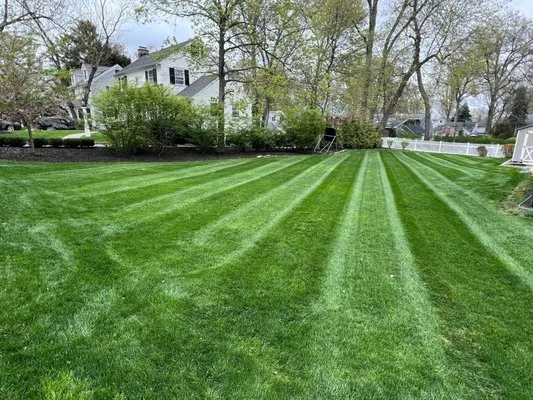
Romero Brothers Landscaping is a trusted, insured, and certified landscaping company serving Morristown, NJ, and the surrounding areas for over 13 years. We specialize in a comprehensive range of serv...
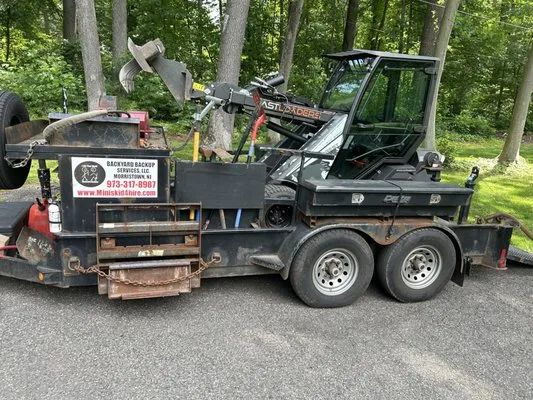
Loader4hire in Morristown, NJ, is a specialized landscaping and equipment rental service operated by Backyard Backup Services, LLC. Since 2015, the company has served Northern New Jersey, building a r...
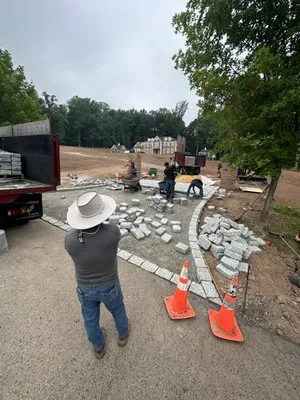
Andre Landscaping LLC serves Morristown, NJ, with year-round property care. We specialize in landscaping, residential painting, power washing, masonry, and snow plowing, focusing on quality craftsmans...
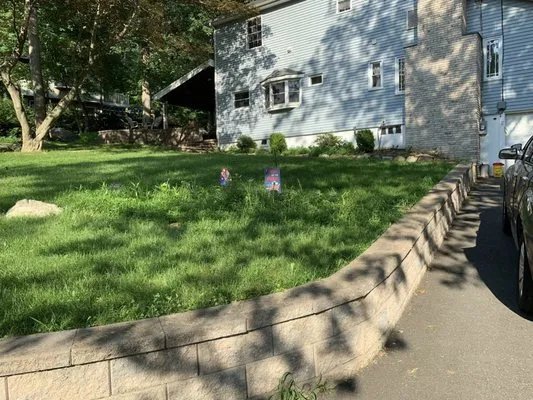
M & M Landscaping is a trusted local landscaping company serving Morristown, NJ, and the surrounding communities. We specialize in diagnosing and resolving common lawn issues that affect area homeowne...
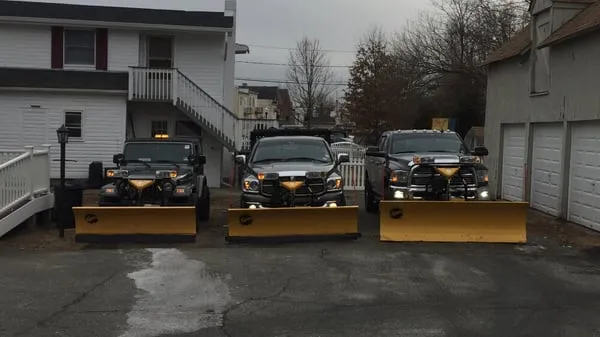
Daley Landscaping is a Morristown-based business founded in 2009 by Patrick Daley. With over 17 years of industry experience, the company is built on principles of excellent work, competitive pricing,...

M & M Landscaping is your local Morristown expert for creating and maintaining beautiful, resilient outdoor spaces. We understand the common challenges homeowners face in our area, such as uneven spri...

Grandview Landscape and Masonry is a trusted Morristown-based landscaping and masonry company with over 20 years of experience serving residential and commercial clients across northern and central Ne...
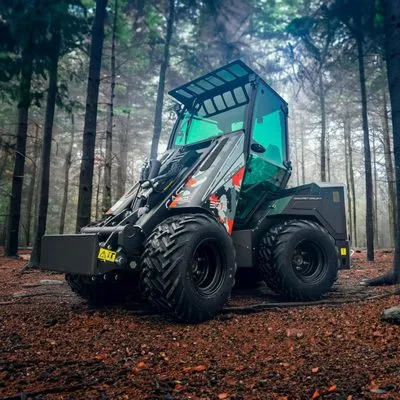
Backyard Backup Service in Morristown, NJ, is a specialized man-and-machine operation that helps homeowners, flippers, and contractors tackle tough yard projects efficiently and affordably. Using a ve...

Lawn Aeration and Restoration in Morristown, NJ specializes in revitalizing local lawns with a focus on accessibility and precision. Our service is designed to be affordable and convenient, allowing h...
Pisani Nature Designs brings over three decades of landscaping expertise to Morristown and Morris County. Founded in 1991 by Nicola Pisani, who brought traditional Italian stonework and construction t...
Q&A
Why does the soil in my Historic District yard seem so compacted and tired?
Properties in the Historic District, with an average build date of 1965, have 61-year-old soil profiles. Decades of foot traffic and conventional maintenance have degraded the original structure of our acidic sandy loam. This soil loses permeability over time, creating dense layers that restrict root growth and water infiltration. Core aeration and incorporating composted organic matter are critical to rebuilding soil biology and structure for modern plantings.
With Stage 1 water conservation in effect, how do I keep my lawn healthy?
Wi-Fi ET-based weather-sensing irrigation is the standard for compliance. This system automatically adjusts watering schedules based on real-time evapotranspiration data, applying water only when and where your Kentucky Bluegrass and Tall Fescue blend needs it. This precise approach often reduces water use by 20-30% compared to traditional timers, keeping your turf resilient while adhering to Morristown's voluntary conservation goals and preempting stricter mandates.
Do I need a permit to regrade my backyard, and who is qualified to do the work?
Yes, significant grading on a 0.22-acre lot typically requires a permit from the Morristown Building & Zoning Department to ensure proper stormwater management and adherence to setback rules. This work must be designed or supervised by a professional licensed by the New Jersey Board of Landscape Architects. Their seal ensures the plan meets engineering principles for soil stability, drainage, and long-term property integrity, protecting your investment.
How quickly can you respond for an emergency storm cleanup to meet HOA compliance?
For time-sensitive compliance issues, our dispatch prioritizes routes from the Morristown Green, utilizing I-287 for direct access. This logistics plan targets a 20-30 minute arrival window during peak response scenarios. We coordinate with property managers to secure site access and immediately deploy electric equipment, which complies with local noise ordinances, to begin debris management and hazard mitigation without delay.
I've spotted invasive vines. How should I handle them without harsh chemicals?
For invasive species like porcelain-berry or mile-a-minute vine, immediate mechanical removal is the first defense. For persistent perennial weeds, targeted, organic-approved herbicides containing iron HEDTA or citric acid can be effective when applied precisely. Always consult the NJ Fertilizer Law calendar for restricted application periods to ensure compliance, as these treatments must not contain prohibited phosphorus and should be applied by a licensed professional.
What are the long-term benefits of moving away from a traditional lawn?
Transitioning high-maintenance turf to a palette of natives like Purple Coneflower, New England Aster, and Switchgrass builds a climate-adaptive, low-input landscape. This established ecosystem requires no gas-powered blowers for leaf management, aligning with evolving noise ordinances, and minimal irrigation. It significantly enhances local biodiversity and soil carbon sequestration, creating a resilient property that outperforms conventional aesthetics in ecological function.
Is bluestone a better choice than composite wood for a new patio?
Bluestone offers superior longevity and permeability compared to wood or composite materials, which can degrade or retain heat. Its natural thermal mass moderates surface temperature, and when installed with permeable joints, it reduces runoff. In areas with a Moderate Fire Wise rating, the non-combustible nature of stone also contributes to defensible space, a prudent consideration for properties in the wildland-urban interface.
My yard has persistent soggy spots after rain. What's the solution?
Saturated clay pockets within the sandy loam matrix are a common drainage hazard here, causing high runoff. The solution integrates subsurface French drains or dry wells to capture and redirect water. For new hardscapes, specifying permeable installation techniques for bluestone pavers increases ground absorption. These strategies collectively manage stormwater on-site, which is a key consideration for approval by the Morristown Building & Zoning Department.
