Top Landscaping Services in Mantua, NJ, 08051 | Compare & Call
There are 134 landscaping companies server in Mantua NJ

JJ Sanchez Landscaping
JJ Sanchez Landscaping is a trusted, full-service landscaping company serving Westville, NJ, and the surrounding communities. We specialize in landscape maintenance, tree care services, masonry, and c...
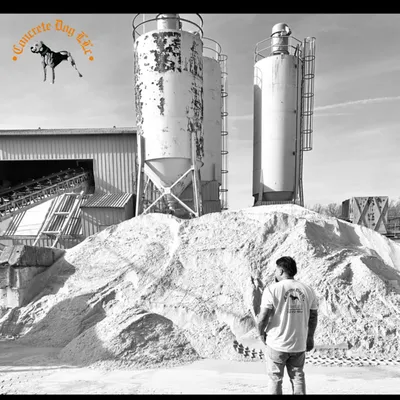
Concrete Dog LLC in Sewell, NJ, is a trusted local contractor specializing in masonry, concrete, and landscaping services. With a focus on craftsmanship and customer satisfaction, we handle everything...
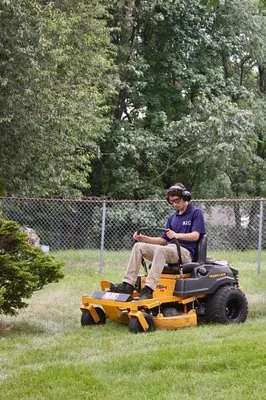
MJC Lawn Service in East Greenwich Township, NJ, is built on a clear mission: to deliver reliable, high-quality lawn care that provides lasting peace of mind. We focus on integrity, clear communicatio...
Swain in Sewell, NJ, is a dedicated family business focused on enhancing homes and properties with essential safety and functionality. Specializing in basement egress solutions, including egress windo...
Estimated Landscaping Service Costs in Mantua, NJ
Questions and Answers
What permits and licenses are needed for grading my 0.35-acre lot?
Grading exceeding 100 cubic yards of soil movement requires Mantua Township Construction Office approval with engineered drainage plans. New Jersey Division of Consumer Affairs mandates landscape contractors hold Home Improvement Registration for projects exceeding $500. For regrading that alters water flow patterns, additional NJDEP soil erosion and sediment control certification becomes necessary. These requirements ensure proper slope stabilization on Mantua's moderate-grade properties while protecting adjacent lots from runoff damage during the 4-inch per hour design storm standard.
Are permeable pavers better than wood for patio longevity?
Permeable concrete pavers maintain structural integrity for 25+ years versus wood's 8-12 year lifespan in Mantua's climate. Their 4,000-8,000 PSI compressive strength withstands freeze-thaw cycles without heaving. For Mantua's low fire-wise rating suburban interface, pavers create defensible space by eliminating combustible materials within 30 feet of structures. Proper installation with 6-inch compacted aggregate base prevents settling while managing the 35-inch annual rainfall through subsurface infiltration rather than surface runoff.
Should I water my tall fescue during voluntary conservation periods?
Wi-Fi ET-based weather sensing irrigation automatically adjusts to Mantua's current normal water status. These systems calculate evapotranspiration rates using local weather data, applying 0.75-1.0 inches weekly during peak summer months. This maintains tall fescue's 4-inch recommended height while reducing water use 30-40% compared to traditional timers. Programming deep, infrequent watering cycles between 4:00-8:00 AM minimizes evaporation loss and aligns with municipal conservation recommendations.
What solves seasonal flooding in my sandy loam yard?
Moderate seasonal high water tables in acidic sandy loam require graded swales directing runoff toward rain gardens. Permeable concrete pavers installed with 2-4mm joints filled with polymeric sand achieve 5-7 inches per hour infiltration rates. This exceeds Mantua Township Construction Office's 3-inch per hour minimum for new hardscape installations. French drains wrapped in non-woven geotextile prevent soil intrusion while managing subsurface water movement during spring thaw periods.
How quickly can you respond to storm damage for HOA compliance?
Emergency cleanup crews dispatch from Chestnut Branch Park via NJ-55, maintaining 25-35 minute arrival during peak conditions. This routing avoids residential congestion while providing direct access to Mantua Heights properties. Teams carry electric chainsaws and battery-powered blowers to operate within the 8:00 PM to 7:00 AM noise ordinance. Debris removal prioritizes safety hazards first, with full site restoration typically completed within 48 hours of initial assessment.
How can I reduce maintenance while supporting local ecology?
Replacing high-input turf with butterfly milkweed, New England aster, switchgrass, and Joe-Pye weed creates self-sustaining habitats. These natives require no fertilization under NJ's phosphorus restrictions and thrive in Mantua's Zone 7b climate. Electric maintenance equipment operates silently outside noise ordinance hours while eliminating 85% of carbon emissions from gas equivalents. Mowing frequency drops from weekly to twice annually, with native stands providing year-round visual interest and pollinator support.
Why does my Mantua Heights lawn struggle despite regular care?
Mantua Heights properties average 48 years of soil development since 1978 construction, leading to acidic sandy loam compaction. This soil type naturally becomes dense over decades, reducing permeability to 0.5 inches per hour. Core aeration every 2-3 years introduces oxygen channels while adding composted organic matter adjusts pH toward neutral 6.5. These amendments improve water retention in sandy soils while maintaining the native 5.5-6.2 pH range that supports acid-tolerant natives like butterfly milkweed.
What invasive species threaten Mantua gardens, and how are they controlled?
Japanese stiltgrass and garlic mustard present primary invasion risks in Mantua's disturbed soils. Manual removal before seed set in early summer prevents spread without chemical intervention. For established infestations, targeted glyphosate applications in fall avoid NJ Fertilizer Law's spring blackout dates. Always apply during dry conditions with temperature inversions below 85°F to prevent drift. Regular monitoring of woodland edges and drainage paths catches new invasions before they establish competitive dominance over natives.
