Top Landscaping Services in Manasquan, NJ, 08736 | Compare & Call
There are 209 landscaping companies server in Manasquan NJ
Clean Cut Lawn Care is a dedicated Point Pleasant Boro lawn service provider. We specialize in comprehensive lawn care designed to address common local yard challenges, including uneven sprinkler cove...
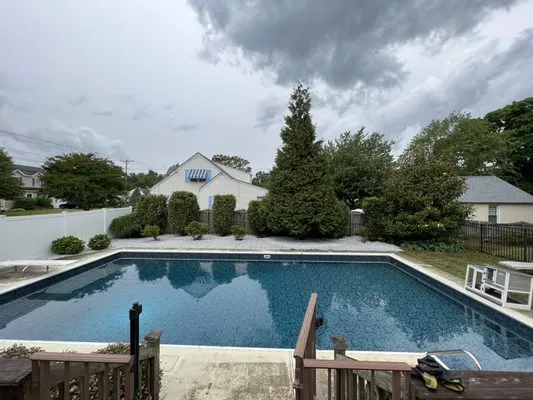
Shore Disposal is a comprehensive Point Pleasant, NJ, service provider specializing in junk removal, handyman tasks, and professional landscaping. We help local homeowners tackle common yard issues li...
Luzzi's Tree Service
Luzzi's Tree Service is a trusted, family-owned landscaping and tree care provider serving Point Pleasant Beach, NJ. We specialize in comprehensive solutions for local homeowners, addressing common is...
Land Pro Group
Land Pro Group is a trusted landscaping company serving Point Pleasant Beach, NJ, specializing in landscape design, pressure washing, and landscape architecture. We help local homeowners tackle common...
Based in Ocean Gate, NJ, Dmitri's Lawn Care specializes in comprehensive lawn care services tailored to the unique challenges of our coastal community. A common issue for local properties is poor lawn...
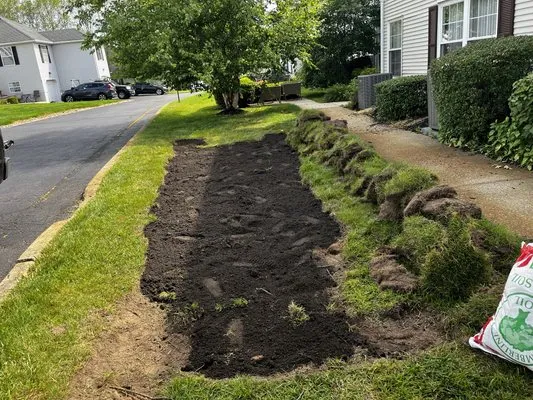
Lively Lawn Care is your trusted local partner for maintaining a beautiful, resilient landscape in Seaside Heights, NJ. We understand the unique challenges homeowners face here, from irrigation timer ...
Always Shore Landscaping has been a trusted landscaping partner in Farmingdale, NJ, and the greater Monmouth County area since 1998. With over 22 years of experience, we specialize in comprehensive la...
Cymru Lawn Sprinklers is your local Manasquan expert for a greener, healthier yard. We specialize in addressing the common local landscaping challenges homeowners face, such as persistent yard drainag...
Miksis Geo Landscape Designing is a Point Pleasant Beach-based landscaping company dedicated to solving the common coastal and soil challenges faced by local homeowners. Specializing in addressing iss...
Estimated Landscaping Service Costs in Manasquan, NJ
FAQs
What are some lower-maintenance alternatives to grass that can handle our beachfront conditions?
Transitioning to a climate-adaptive xeriscape using native coastal species is a forward-looking strategy. Plants like Coastal Panic Grass, Beach Plum, Saltmeadow Cordgrass, and Seaside Goldenrod are evolved for local soils, salt spray, and drought. This biodiverse planting requires no gas-powered blowers for leaf management, aligning with tightening noise ordinances, and needs minimal supplemental water once established.
If a storm causes significant debris, how quickly can a crew respond for an emergency cleanup in Manasquan?
For urgent HOA compliance or safety issues, a crew can typically be dispatched within hours. Routing from a central point like Fisherman's Cove Conservation Area via NJ Route 35 allows for a 20-30 minute arrival to most Manasquan Beachfront properties, even during peak post-storm traffic. Response prioritizes clearing driveways and critical pathways to restore access and mitigate hazards.
Our sandy yard drains too fast yet ponds during heavy rains. What's the solution for this coastal property?
Sandy loam's high permeability is offset here by coastal storm surge risk and potential compaction layers. The goal is managing surface flow while recharging groundwater. Replacing impervious surfaces with permeable concrete pavers is a best practice. This system meets Manasquan Building and Zoning Department runoff standards by allowing water to infiltrate onsite, reducing erosion and mitigating localized flooding during intense rainfall events.
Do I need a permit to regrade my backyard, and what should I look for in a contractor?
Yes, significant grading on a 0.15-acre lot typically requires a permit from the Manasquan Building and Zoning Department to ensure proper drainage and compliance with codes. The contractor must hold a valid Home Improvement Contractor license from the NJ Division of Consumer Affairs. This licensing is mandatory for this work and provides you with legal recourse and assurance of insurance, protecting your investment.
How can I keep my Tall Fescue lawn healthy during summer without violating water conservation rules?
Under Stage 1 voluntary conservation, efficient water use is paramount. A Wi-Fi ET-based irrigation system is the technical solution. It automatically adjusts runtime by using local weather data to calculate evapotranspiration (ET), applying only the precise water lost. This method sustains the Tall Fescue blend while reducing overall consumption, keeping you well within municipal guidelines and promoting deeper root growth.
Are permeable pavers a better long-term choice than a wooden deck for our patio?
For longevity and fire resilience, permeable concrete pavers are superior. Unlike wood, they do not rot, warp, or require chemical treatments. Their durability withstands coastal freeze-thaw cycles. From a Firewise perspective, their non-combustible nature contributes to defensible space in this Moderate-rated Coastal Wildland-Urban Interface (WUI) zone, a critical safety consideration for property protection.
Why does the soil in our Manasquan Beachfront yard seem so compacted and tired, even after fertilizing?
Homes built around 1956, like many here, have soil approximately 70 years old. This sandy loam has likely lost organic matter through decades of conventional landscaping, leading to poor structure and low water retention. The high permeability means nutrients leach out quickly. Core aeration and incorporating composted organic matter are critical to rebuild soil biology and improve its ability to support healthy turf and plantings.
I've spotted invasive vines. How should I handle them without harming my garden or breaking local laws?
For invasive species like porcelain-berry or mile-a-minute vine, manual removal is the first step. If chemical control is necessary, select a targeted, systemic herbicide and apply it directly to the foliage, avoiding drift. Crucially, any product used must comply with the NJ Fertilizer Law, which prohibits all lawn fertilizer applications—including those with herbicides—during the blackout period from November 15 to March 1.
