Top Landscaping Services in Linwood, NJ, 08221 | Compare & Call

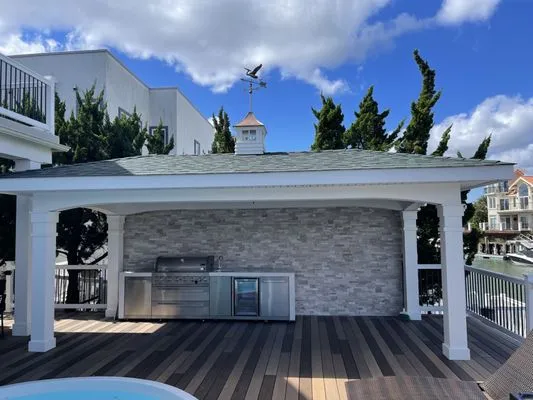
Kelly's All Pro Landscaping is a trusted, locally-owned landscaping company serving Linwood, NJ, and the surrounding communities. We specialize in comprehensive landscape maintenance and improvement s...

Lang's Garden is a full-service nursery and landscaping company serving Linwood, NJ, and surrounding communities. We specialize in comprehensive landscape solutions including irrigation design, greens...

Throw Bros is a trusted landscaping company serving Linwood, NJ, specializing in gardening and landscape maintenance. Many homes in the area face common issues like poor lawn grading and sprinkler cov...

Magz Landscaping is a trusted, locally-owned landscaping company serving homeowners in Linwood, NJ. We specialize in diagnosing and solving the common landscape challenges our neighbors face, particul...
For over 15 years, Costello's Landscaping has been the trusted local choice for homeowners in Linwood, NJ. We understand the unique challenges of maintaining a beautiful property in our community, inc...
Lawn Doctor in Linwood, NJ, is your trusted local partner for comprehensive lawn and landscape care, serving the community with expertise in landscaping, pest control, and tree services. We specialize...
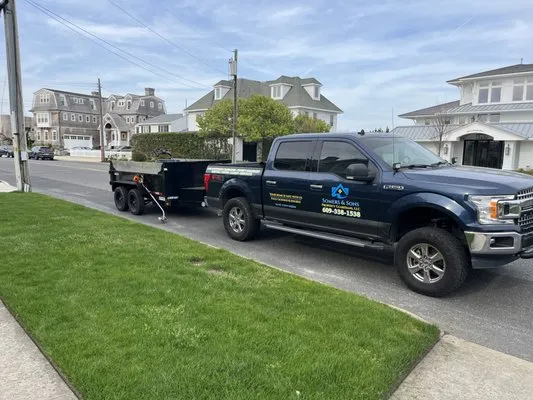
Somers & Sons Property Guardians is a family-owned and operated business in Linwood, NJ, founded by Meg and Jim Somers. Seeing the impact of vandalism and break-ins at local shore and second homes, th...
Fischer Landscaping provides expert lawn and garden care services for Linwood, NJ, homeowners. We understand that the local climate and soil can lead to common frustrations like dying shrubs, patchy g...
FAQs
We want to regrade our 0.35-acre lot to fix a flooding issue. What permits and contractor credentials are required?
Regrading that alters water flow or involves significant cut/fill requires a permit from the Linwood City Planning & Zoning Department. The contractor must hold a valid Home Improvement Contractor license from the New Jersey Division of Consumer Affairs. For a lot of this size, improper grading can affect neighboring properties, making this licensed, permitted work essential for liability protection and long-term site stability.
We have a major branch down after a storm and need an emergency cleanup to meet HOA rules. How fast can you get here?
Our dispatch coordinates from All Wars Memorial Park, using the Garden State Parkway for primary access to Linwood Heights. We maintain a peak storm response window of 20-30 minutes for priority safety calls. Crews arrive with electric chippers and hand tools to comply with the 8:00 PM noise ordinance cutoff, ensuring rapid debris processing and site stabilization to prevent secondary damage.
We're replacing a worn wooden deck. Are permeable pavers a better long-term choice for our climate?
Permeable concrete pavers offer superior longevity and function compared to wood in our coastal zone. They resist rot, salt, and insect damage, requiring no sealing or staining. Their permeable nature directly addresses local drainage concerns. From a Firewise perspective, their non-combustible material contributes to the moderate-defensible space recommended for our coastal interface zone, unlike wooden structures which are a fuel source.
With Stage 1 water conservation in effect, how can I keep my Tall Fescue and Kentucky Bluegrass blend healthy?
Wi-Fi ET-based irrigation controllers are the standard solution. They adjust watering schedules daily using local evapotranspiration data, applying water only when the turfgrass blend truly needs it. This technology can reduce potable water use by 20-30% while maintaining plant health, keeping you well within voluntary conservation guidelines. Properly calibrated, it prevents the overwatering that exacerbates our area's high water table.
I'm tired of weekly mowing and gas blower noise. Are there lower-maintenance, quieter options?
Transitioning perimeter beds to a matrix of Coastal Panic Grass, Butterfly Milkweed, Beach Plum, and Sweet Pepperbush significantly reduces maintenance. These adapted natives require no irrigation once established, minimal fertilization, and eliminate weekly mowing and seasonal gas-powered leaf blowing. This proactive shift creates a resilient landscape ahead of potential tighter restrictions on gas-powered equipment noise and emissions.
Our backyard in a low-lying area stays soggy for days. What's a permanent fix for poor drainage?
The high water table and poor infiltration in Linwood's sandy loam require integrated solutions. We recommend installing subsurface French drains tied to a dry well or rain garden. Complement this with permeable concrete pavers for any new patios or walkways; their high permeability rate helps manage runoff and often meets the Linwood City Planning & Zoning Department's stormwater management standards for residential projects.
An aggressive vine is taking over my shrub beds. How do I deal with it without harming my plants or breaking local rules?
This is likely an invasive species like porcelain-berry or English ivy. Manual removal of roots is safest for desirable plants. For herbicide use, a targeted, systemic glyphosate applied via wick applicator in late summer or fall is effective. Critically, this timing avoids the NJ Fertilizer Law blackout period (Dec 1 - March 1) and ensures the plant is actively translocating the herbicide to its root system for complete control.
My lawn in Linwood Heights looks thin and struggles in summer heat. What's wrong with the soil?
Your 1968 home sits on 58-year-old soil, typical for the neighborhood. Decades of compaction and nutrient leaching have degraded the original acidic sandy loam, reducing its water-holding capacity and root penetration. This soil profile now requires core aeration and a top-dressing of composted organic matter to rebuild structure and microbial activity. Addressing this foundational issue is more effective than repeated surface fertilization.
