Top Landscaping Services in Leisure Village, NJ, 08701 | Compare & Call
There are 212 landscaping companies server in Leisure Village NJ
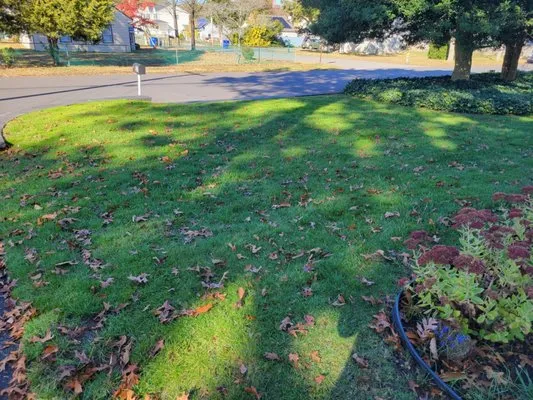
Morgans Irrigation is a family-owned and operated irrigation service based in Beachwood, NJ, established in 2020. With over a decade of experience, we specialize in designing, installing, and maintain...
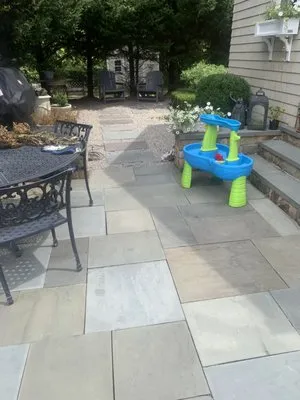
MG Pressure Washing & Landscaping is a Toms River-based family business that has been serving the local community for over a year. We specialize in both landscaping and pressure washing, offering a co...
RFK Landscaping is a trusted local business serving Toms River, NJ, specializing in lawn care and masonry/concrete services. Many homes in the area face common landscaping challenges like bare lawn pa...
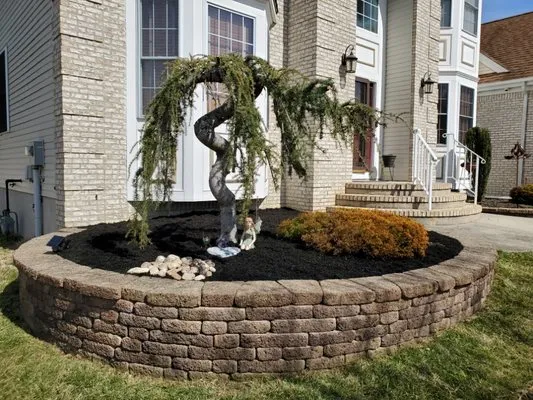
Atlantic Home Services is a family-owned and operated landscape maintenance company serving Ocean County, New Jersey. We focus on tailoring our services to meet the specific landscape needs of each cu...
Pizzola Landscaping & Tree Service has been a trusted provider in Toms River, NJ, and surrounding Ocean and Monmouth Counties since 2013. As a licensed and established company, we specialize in compre...

Sweet Briar Lawns is a locally owned and operated lawn and tree service company serving Brick Township, NJ, with over 44 years of experience. Specializing in environmentally safe lawn treatments, tree...
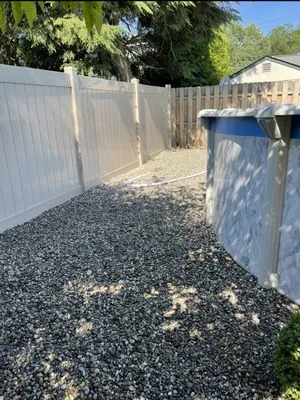
Huntergreen Landscaping is a trusted, family-owned landscaping and tree service company serving Freehold and all of Monmouth County for over two decades. We specialize in creating and maintaining beau...
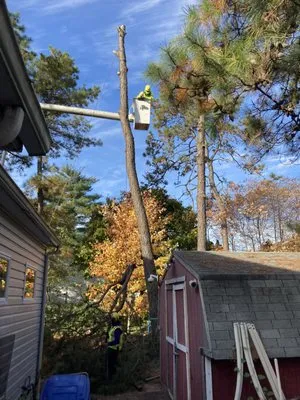
Trinity Tree Experts & Landscaping
Founded by a second-generation arborist, Trinity Tree Experts & Landscaping brings a genuine passion for tree care and community safety to Toms River. Our journey began working alongside family, learn...
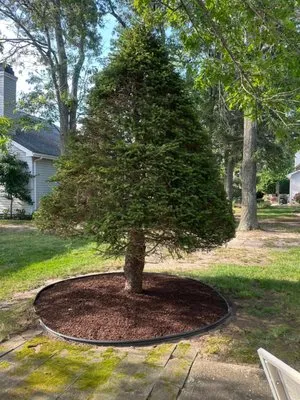
One N Done Landscaping is your dedicated Toms River, NJ partner for creating and maintaining a beautiful, healthy yard. We understand the local challenges homeowners face, from the frustration of spri...
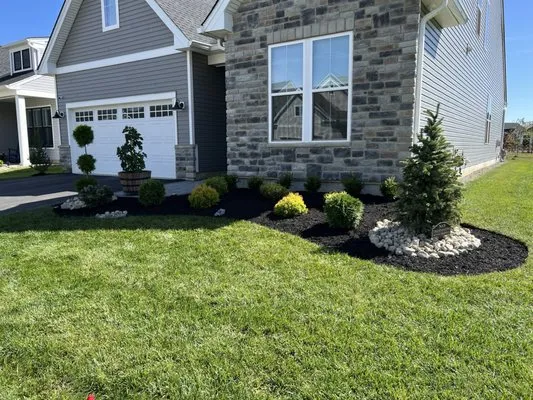
Mij Landscaping is a trusted Lakewood, NJ, company dedicated to solving common local yard problems. Many homeowners in our area struggle with standing water after heavy rains and patchy, unhealthy gra...
Estimated Landscaping Service Costs in Leisure Village, NJ
Questions and Answers
What solutions address standing water in Leisure Village's high water table conditions?
Poor infiltration in acidic sandy loam requires subsurface drainage modifications. Installing French drains with clean gravel aggregate creates pathways for groundwater movement. Permeable concrete pavers meet Lakewood Township Planning Department runoff standards by allowing 5-8 inches per hour infiltration. Grading swales with 2% slope directs water away from foundations while replenishing the aquifer naturally.
What permits and licenses are needed for landscape grading on my 0.12-acre Leisure Village lot?
Grading projects exceeding 100 square feet require Lakewood Township Planning Department review for erosion control compliance. New Jersey Division of Consumer Affairs mandates Home Improvement Contractor licensing for any work affecting drainage patterns or structural stability. On 0.12-acre lots, even minor grade changes can impact neighboring properties, necessitating certified professionals with liability insurance. Proper documentation ensures compliance with municipal codes and protects against future liability issues.
Can I maintain healthy turf while following Stage 1 water conservation in Leisure Village?
Wi-Fi ET-based weather sensing irrigation preserves Kentucky Bluegrass and Tall Fescue blends within voluntary conservation limits. These systems adjust runtime based on evapotranspiration data, reducing water use 20-30% compared to traditional schedules. Programming deep, infrequent watering at dawn maximizes infiltration in sandy loam while minimizing evaporation. This approach maintains turf health while staying below municipal water allocation thresholds.
How quickly can you respond to storm damage for HOA compliance in Leisure Village?
Emergency cleanup crews dispatch from the Leisure Village Community Center within 30 minutes. The route follows local roads to Garden State Parkway access, maintaining 25-35 minute response during peak conditions. Electric equipment operates within noise ordinance hours of 8:00 AM to 6:00 PM for immediate debris removal. This schedule ensures compliance with community standards while addressing safety hazards from fallen branches.
What invasive species threaten Leisure Village landscapes and how should I treat them?
Japanese stiltgrass and mile-a-minute vine present primary invasive risks in Zone 7b. Manual removal before seed set in early summer prevents spread without chemical intervention. For persistent infestations, spot-treat with glyphosate during dormant periods outside NJ Fertilizer Law blackout dates. Always conduct soil testing through Rutgers Cooperative Extension to document phosphorus deficiency before applying any amendments, as required by state law.
Why does my Leisure Village East lawn have drainage issues and thin grass despite regular care?
Leisure Village lots built around 1969 have 57-year-old soil profiles. Acidic sandy loam with pH 5.5-6.2 naturally compacts over decades, reducing percolation rates below 0.5 inches per hour. This compaction creates anaerobic conditions that limit root penetration for Kentucky Bluegrass blends. Core aeration with compost amendments increases organic matter above 3% to restore soil structure and microbial activity.
Are permeable pavers better than wood for Leisure Village patios given fire safety concerns?
Permeable concrete pavers outperform wood in longevity and fire safety metrics. With a 30+ year lifespan versus wood's 10-15 years, pavers maintain structural integrity despite freeze-thaw cycles. Their non-combustible nature supports Low Fire Wise ratings by creating defensible space around structures. The 5-8 inch per hour permeability rate manages runoff while providing stable, low-maintenance surfaces that meet modern building standards.
How can I reduce maintenance while preparing for stricter noise ordinances?
Transitioning turf areas to native plantings creates climate-adaptive xeriscaping. Little Bluestem, Purple Coneflower, and Butterfly Milkweed establish deep root systems that require no irrigation after establishment. These species support 2026 biodiversity standards while eliminating weekly mowing and gas-powered equipment use. Beach Plum and New England Aster provide seasonal interest with minimal input, staying ahead of evolving noise restrictions.
