Top Landscaping Services in Lake Mohawk, NJ, 07821 | Compare & Call
There are 190 landscaping companies server in Lake Mohawk NJ
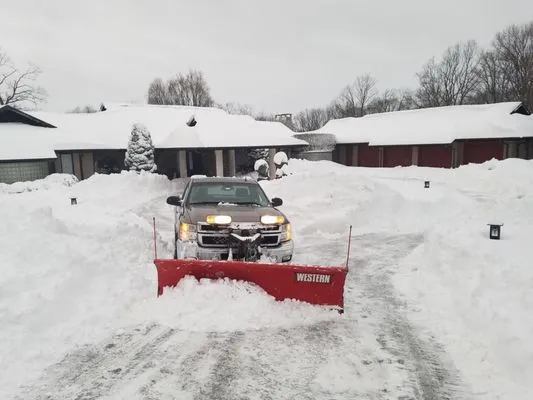
Lawnx has been a trusted landscaping and outdoor solutions provider in Denville, NJ, and throughout Morris County since 1981. With over 30 years of dedicated service to the local community, we special...
Meticulous Lawn Care is a trusted local lawn service in Sparta, NJ, specializing in gardening and comprehensive lawn care. We understand the unique challenges Sparta homeowners face, such as tree root...
On the Green Landscaping serves Sparta, NJ, with expert landscape design services tailored to our local environment. We specialize in resolving common Sparta-area issues like dead lawn patches and per...

Branstone Landscapes is a family-owned landscaping business serving Hope, NJ, with over 28 years of experience in landscape construction and lawn care. Founded by a local professional who named the co...
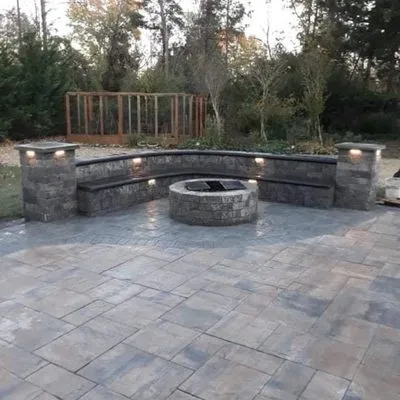
F Quiroz Landscaping has been a trusted part of the New Brunswick, NJ community since 2008. Owner Fernando Quiroz started from the ground up, building the business through dedicated work and strong lo...
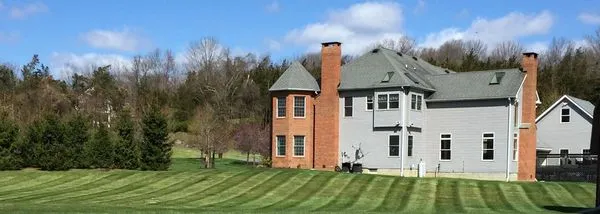
Grade A Lawn Care in Wantage, NJ is a locally owned and operated lawn service business founded by Eli, who brings over a decade of hands-on experience in landscaping. Starting his career in 2012 and w...
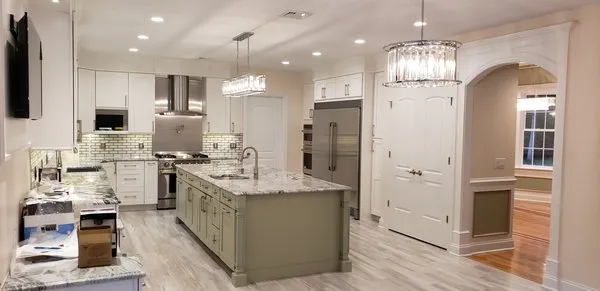
The Hunny Done List Co is a family-owned and operated handyman service proudly serving Dumont and Bergen County. With over 20 years of experience, we provide comprehensive home services for both indoo...
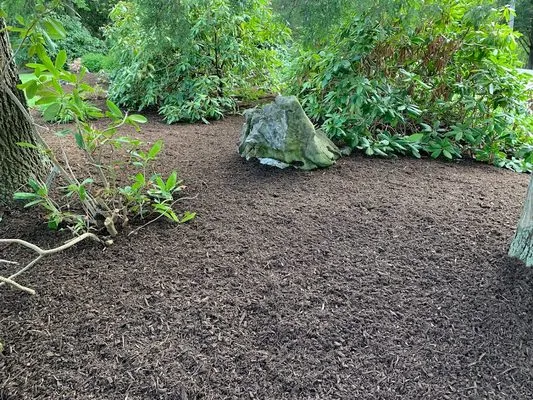
Sunset Landscaping Services is a trusted, full-service landscaping company serving Hackettstown and the surrounding New Jersey area. We specialize in a comprehensive range of services, including lands...
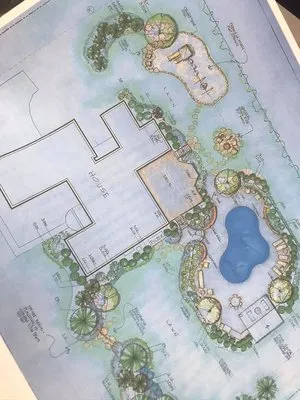
Fernandez Masonry Landscaping
Fernandez Masonry Landscaping is a family-owned business serving Morris Plains, NJ, and surrounding communities since 2001. We specialize in comprehensive masonry and landscaping solutions, from custo...
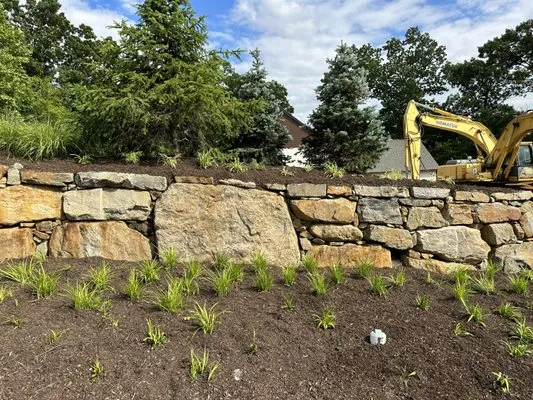
Basket Scapes is a bonded landscaping company serving Oak Ridge, NJ, and surrounding North Jersey communities. We provide comprehensive landscaping, hardscaping, and property maintenance solutions tai...
Estimated Landscaping Service Costs in Lake Mohawk, NJ
FAQs
What invasive species threaten Lake Mohawk landscapes, and how should they be treated?
Japanese stiltgrass and garlic mustard present primary invasion risks in Moderate Fire Wise zones. Manual removal before seed set in early summer prevents spread, while targeted glyphosate applications during NJ Fertilizer Law blackout dates (November 15-March 1) avoid nutrient runoff. Always maintain 10-foot buffer zones from water features when applying any treatments to protect Lake Mohawk's watershed.
What solutions address persistent runoff and saturated clay pockets in my yard?
Acidic glacial till's low permeability creates high runoff conditions requiring engineered solutions. Installing French drains with clean stone aggregate redirects subsurface water, while bluestone pavers set in permeable bedding meet Sparta Township Planning & Zoning Department's runoff standards. Grading adjustments creating 2% slopes away from foundations prevent basement flooding during heavy precipitation events.
Why does my Lake Mohawk lawn struggle despite regular care?
Lake Mohawk Residential District properties average 62 years of soil development since 1964 construction. Acidic glacial till with pH 5.5-6.2 has compacted over decades, reducing permeability below 0.5 inches per hour. Core aeration every 2-3 years introduces oxygen channels, while incorporating 0.25 inches of composted organic matter annually buffers acidity and supports mycorrhizae networks.
How quickly can you address storm damage to meet HOA compliance deadlines?
Emergency cleanup crews dispatch from Lake Mohawk Plaza via Route 15, maintaining 25-40 minute response times during peak conditions. Our electric fleet operates within Sparta Township's 8:00 AM-7:00 PM weekday noise ordinance. We prioritize safety assessments, debris removal, and temporary stabilization to prevent secondary damage while preparing documentation for insurance claims.
What permits and licensing are required for grading work on my 0.45-acre property?
Grading altering more than 100 cubic yards of soil requires Sparta Township Planning & Zoning Department approval with engineered drainage plans. Contractors must hold New Jersey Division of Consumer Affairs Home Improvement Contractor licensing, which mandates insurance coverage and dispute resolution protocols. For properties exceeding 0.25 acres, additional sediment control measures prevent runoff into Lake Mohawk's watershed during construction phases.
Can I maintain healthy turf while respecting Lake Mohawk's water conservation measures?
Wi-Fi ET-based weather sensing irrigation automatically adjusts to Stage 1 voluntary conservation requirements. The system calculates evapotranspiration rates specific to Kentucky Bluegrass and Fine Fescue blends, reducing water application by 20-30% compared to timer-based systems. Deep, infrequent watering cycles encourage root development below 6 inches, improving drought tolerance without violating municipal limits.
Why choose bluestone over wood for patios in fire-prone areas?
Bluestone pavers provide non-combustible defensible space critical in Moderate Fire Wise rated woodland-urban interfaces. Unlike wood decking requiring chemical treatments, bluestone's natural thermal mass moderates temperature extremes while lasting 50+ years with minimal maintenance. Proper installation with 4-inch compacted stone base prevents frost heave in USDA Zone 6a, maintaining structural integrity through freeze-thaw cycles.
How can I reduce maintenance while preparing for upcoming noise restrictions?
Transitioning 30-50% of turf areas to Eastern Redbud, Highbush Blueberry, Purple Coneflower, and Switchgrass reduces mowing frequency by 60%. These natives thrive in acidic glacial till without supplemental irrigation, creating habitat corridors that support 2026 biodiversity standards. Electric maintenance equipment operates below 65 decibels, ensuring compliance with evolving gas-blower restrictions in woodland-urban interface zones.
