Top Landscaping Services in Lafayette, NJ, 07822 | Compare & Call

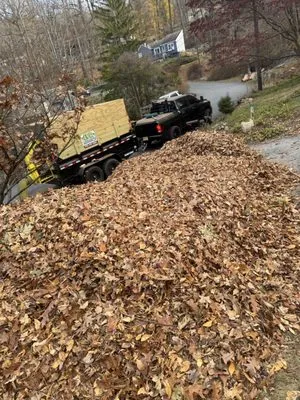
LVD Landscaping is a Lafayette-based landscaping company dedicated to enhancing outdoor spaces in our local community. We specialize in comprehensive landscaping services, from garden design and lawn ...
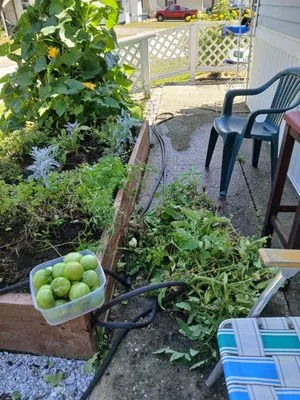
Cheyo Landscaping is your Lafayette, NJ neighbor dedicated to creating and maintaining beautiful, resilient outdoor spaces. We understand the common local challenges of bare lawn patches and soil comp...

Mulch Concept in Lafayette, NJ, is a local landscaping and gardening business specializing in firewood and related services to address common homeowner challenges in the area. Many Lafayette residents...

Auburn Sky Landscaping
Auburn Sky Landscaping is a trusted Lafayette, NJ-based company specializing in landscaping, masonry/concrete, and lighting solutions. We help local homeowners tackle common landscaping challenges lik...
Arrow Paving & Landscaping is a trusted, locally-owned landscaping company serving Lafayette, NJ, and the surrounding Sussex County area. We specialize in comprehensive lawn care, paving, and landscap...
Lawn Doctor in Lafayette, NJ, is your local expert for comprehensive lawn, tree, and pest control services. We understand that many Lafayette homeowners face common landscaping challenges like sprinkl...
Question Answers
Is there a lower-maintenance, eco-friendly alternative to our large lawn?
Transitioning sections of high-input turf to a xeriscape with native plants like Eastern Redbud, Switchgrass, and New England Aster significantly reduces water, mowing, and chemical needs. This biodiversity-rich planting supports local pollinators and is inherently resilient. It also aligns with evolving municipal noise ordinances by reducing reliance on frequent gas-powered mowing and blowing.
We've spotted invasive vines. How do we remove them without harming everything else?
For invasive species like Japanese Knotweed or Porcelain Berry, manual removal of root crowns is the first line of defense. Any targeted herbicide application must be performed by a licensed professional and is strictly regulated by NJ's Fertilizer Law, which prohibits phosphorus use on established turf and has seasonal blackout dates. A long-term strategy involves smothering cleared areas with cardboard and mulch, then replanting with aggressive natives like Joe Pye Weed to outcompete returning invasives.
How can we keep our lawn green during summer while following water conservation rules?
Lafayette's Stage 1 voluntary conservation is best managed with smart, Wi-Fi ET-based controllers. These systems use local weather data to apply water only when needed, preventing overwatering. For Kentucky Bluegrass and Tall Fescue blends, deep, infrequent watering encourages drought-tolerant roots. This method maintains turf health while keeping usage well within municipal guidelines and reducing runoff.
Why does the soil in our neighborhood feel so dense and compacted, and what can we do about it?
Properties in Lafayette Township Center, developed around 1981, have 45-year-old soil profiles on acidic glacial till. Original construction compacted the subsoil, and decades of mowing have created a thick thatch layer, reducing permeability. Core aeration in early fall is critical to break up this layer and introduce oxygen. Following aeration, top-dressing with compost will slowly amend the pH and improve soil structure for healthier root growth.
We're adding a patio. Is fieldstone or wood better for our area?
Fieldstone and permeable concrete pavers are superior to wood for longevity in our climate. They offer permanent, frost-heave-resistant structure without rotting or termite issues. In Lafayette's Moderate Wildland-Urban Interface Zone, these non-combustible materials also contribute to defensible space by creating a fire-resistant barrier around the home, a key consideration for landscape hardening in fire-wise planning.
Our backyard has a soggy depression that never dries. What's the solution?
This is a common issue in Lafayette's clay-heavy glacial till, where seasonal high water tables cause poor drainage. The solution involves creating a shallow, graded swale lined with gravel to channel water away from the foundation. Using permeable concrete pavers for any adjacent patios increases infiltration. These systems often require a permit from the Lafayette Township Zoning Office to ensure they meet stormwater runoff standards.
We have a storm-damaged tree and an HOA compliance deadline. How quickly can you respond?
For emergency cleanup, our crews dispatch from the Lafayette Village Historic District. Using NJ Route 15, we can typically reach most Township locations within the 20-30 minute peak storm response window. We prioritize securing the site for safety and documenting damage for insurance, ensuring all work complies with local ordinances for immediate hazard mitigation.
What permits and credentials should we verify before hiring for major grading work?
Any significant grading or earthmoving on a 1.25-acre lot requires verification of a New Jersey Home Improvement Contractor license from the Division of Consumer Affairs. The Lafayette Township Zoning & Construction Office must issue a permit for work that alters drainage patterns or involves substantial cut and fill. Hiring a licensed, insured professional ensures the work meets soil erosion and sediment control standards, protecting your property and the local watershed.
