Top Landscaping Services in Kenilworth, NJ, 07033 | Compare & Call

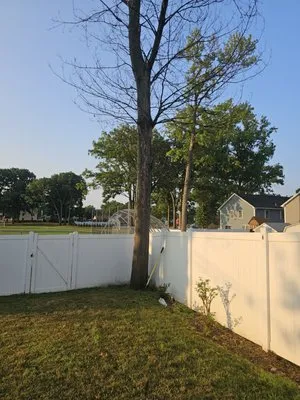
Jesus Tree Expert is a trusted, locally-owned tree service and landscaping company serving Kenilworth, NJ, and the surrounding communities. We specialize in comprehensive tree care and landscape maint...
AJM Landscaping is a trusted, locally-owned landscaping company serving Kenilworth, NJ, and the surrounding communities. We specialize in addressing common residential landscaping challenges that home...
A & A Landscaping is a trusted, locally-owned landscaping company serving Kenilworth, NJ, and the surrounding Union County area. We specialize in diagnosing and fixing the common problems that affect ...
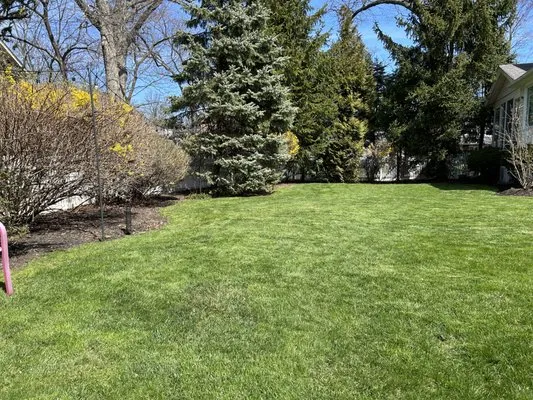
RO Landscaping is a trusted local landscaping and gutter services provider serving Kenilworth, NJ homeowners. We specialize in comprehensive lawn care, shrub maintenance, and gutter cleaning to addres...
A & A Landscaping Inc is a trusted local landscaping company serving Kenilworth, New Jersey, with expert design, installation, and maintenance services. We specialize in creating beautiful, functional...

Well Done Tree Service is your trusted, local partner for comprehensive outdoor care in Kenilworth, NJ. We specialize in tree services, landscaping, and junk removal to keep your property healthy and ...
Mahon Landscaping is a trusted local landscaping company serving Kenilworth, NJ, and the surrounding areas. We specialize in addressing common landscaping challenges faced by homeowners in our communi...

Fischetti Landscaping & Design is a trusted, full-service landscaping company serving Kenilworth homeowners. We specialize in creating beautiful, functional outdoor spaces tailored to the specific nee...
A&R1 Landscaping is your trusted local landscaping partner in Kenilworth, NJ, specializing in comprehensive solutions for residential properties. We understand that many homeowners in our community fa...
Flores Brother Lawn Care & Landscaping is a trusted, family-owned business serving Kenilworth, NJ homeowners with reliable lawn care and snow removal services. We understand the specific challenges ou...
Common Questions
Are concrete pavers better than wood for patio longevity?
Concrete pavers offer superior durability with 25-30 year lifespans versus wood's 10-15 years in New Jersey's freeze-thaw cycles. Their non-combustible nature supports Firewise defensible space requirements in urban-suburban interfaces. Proper installation with geotextile fabric and compacted gravel base prevents shifting and weed penetration. Unlike wood, pavers require no chemical treatments that could leach into soil or violate local ordinances.
What permits and licenses are needed for landscape grading work?
Grading on 0.19-acre Kenilworth lots requires a permit from the Building Department for any elevation change exceeding 6 inches or affecting drainage patterns. Contractors must hold Home Improvement Contractor licensing through the New Jersey Division of Consumer Affairs. Licensed professionals carry insurance covering soil erosion control and neighbor protection. Unpermitted grading can result in fines and mandatory restoration at owner expense.
How can I reduce maintenance while supporting local ecology?
Replacing high-maintenance turf with Eastern Redbud, New England Aster, Switchgrass, and Swamp Milkweed creates habitat while reducing mowing frequency. These natives require minimal irrigation once established and support pollinators year-round. Transitioning to electric maintenance equipment aligns with evolving noise ordinances regarding gas-powered blowers. A phased conversion over 2-3 growing seasons allows soil microbiome adjustment to new planting regimes.
What invasive species should I watch for in Kenilworth?
Japanese stiltgrass and garlic mustard pose significant threats in Zone 7b, outcompeting natives in acidic soils. Manual removal before seed set in late summer prevents spread without chemical intervention. If herbicide becomes necessary, select products without phosphorus unless soil tests confirm deficiency, adhering to NJ Fertilizer Law blackout periods from December through February. Always apply during calm mornings to prevent drift onto desirable vegetation.
How quickly can you respond to an HOA violation notice for overgrown vegetation?
Emergency cleanup crews dispatch from Oswald J. Nitschke Park via the Garden State Parkway, arriving within 20-30 minutes during peak hours. This routing avoids residential congestion while meeting noise ordinance restrictions on early morning equipment use. Teams carry electric trimmers and mulchers to address overgrowth immediately, with documentation provided for compliance verification.
Will my lawn survive Kenilworth's voluntary water conservation measures?
Wi-Fi ET-based weather sensing irrigation automatically adjusts schedules using real-time evapotranspiration data from local weather stations. This system reduces water use by 25-40% while maintaining Tall Fescue health during Stage 1 restrictions. Programming follows municipal water limits by skipping cycles after rainfall and reducing runtime during high humidity periods. Soil moisture sensors provide additional precision to prevent overwatering.
Why does my Kenilworth Center lawn struggle despite regular care?
Properties built around 1954 have soil that has matured for over 70 years, developing acidic urban fill and silt loam with pH 6.2-6.8. This soil composition often becomes compacted, reducing permeability and root penetration. Core aeration with organic amendments like composted leaf mold improves soil structure and microbial activity. Regular soil testing every 2-3 years helps maintain optimal pH for Tall Fescue and native plantings.
What solutions exist for seasonal ponding in my backyard?
Acidic silt loam soils in Kenilworth have moderate permeability, causing localized ponding during heavy rains. Installing permeable concrete pavers with 1/4-inch joints filled with angular gravel creates infiltration areas that meet Building Department runoff standards. French drains connected to dry wells or rain gardens redirect water from foundations. Grading should maintain a 2% slope away from structures to prevent soil saturation.
