Top Landscaping Services in Independence, NJ, 07838 | Compare & Call
There are 159 landscaping companies server in Independence NJ
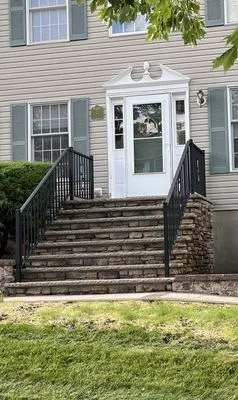
Lendechy Landscaping & Construction is a Madison-based company dedicated to transforming outdoor spaces for both residential and commercial clients. With a skilled crew experienced in a full suite of ...
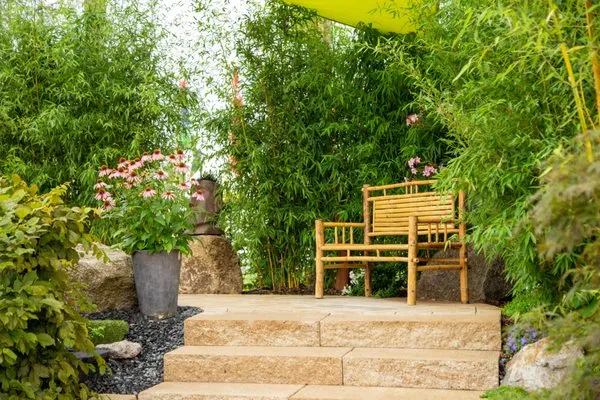
Artistic Bamboo
Artistic Bamboo in Edison, NJ, specializes in creating beautiful, sustainable bamboo landscapes. Founded from a personal passion for bamboo, we started by installing our own backyard hedge when local ...
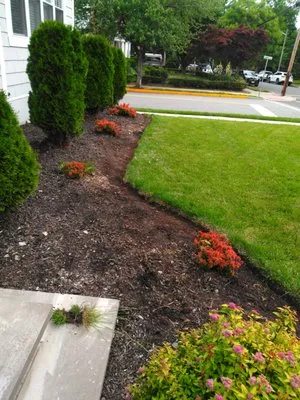
At & L Strategic in Orange, NJ, is a locally owned and operated business with deep roots in the community. For over 20 years, the owner has cultivated a passion for landscaping, starting with guidance...
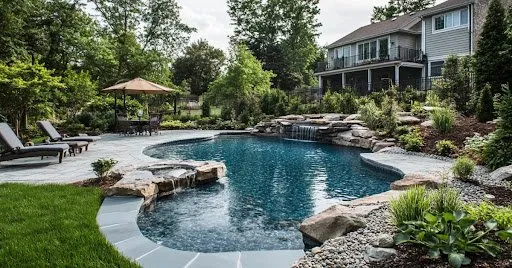
Dell Outdoor is a full-service landscaping and design company based in Kinnelon, NJ, with over 30 years of experience creating custom outdoor environments. We specialize in comprehensive outdoor insta...
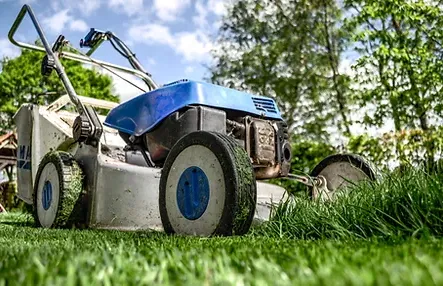
Cespedes Lawn Maintenance is a second-generation, family-owned landscaping company that has been a trusted partner for Springfield Township and greater northern New Jersey for over 20 years. We bring ...
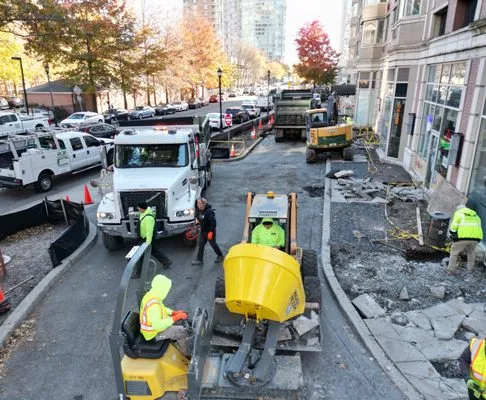
DCR Companies is a family-owned construction firm serving Metuchen, NJ, and surrounding areas since 1989. Specializing in landscaping, snow removal, and masonry/concrete work, we provide reliable solu...
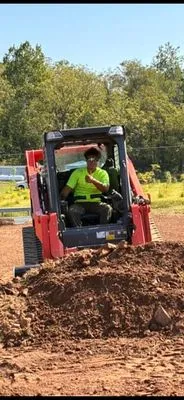
JHMC Maintenance is a family-owned and operated business proudly serving Bridgewater, NJ, and the surrounding communities. Founded in 2004 with a focus on reliable lawn care, we have grown over two de...
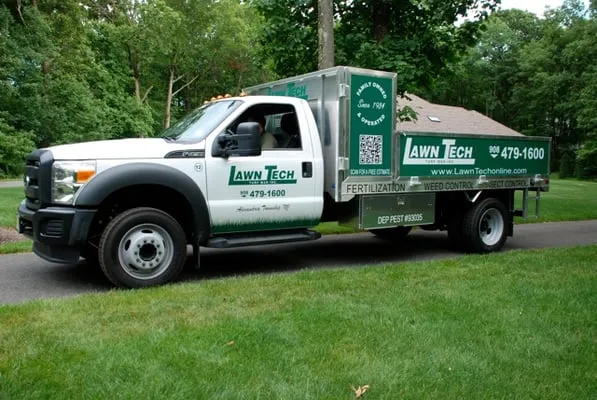
Lawn Tech is a family-owned lawn care service that has been serving Milford, NJ, since 1984. With over 30 years of experience, I am proud to continue our legacy as a second-generation lawn care profes...
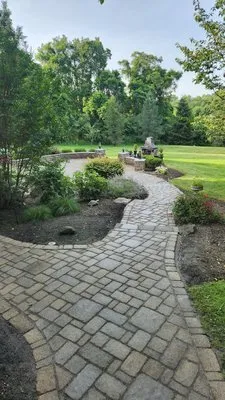
Oak C Lawn & Landscape is a family-owned Bridgewater business founded by Gustavo 'Tito' C., who brings over 15 years of hands-on experience from construction and earth-moving to create a legacy of int...
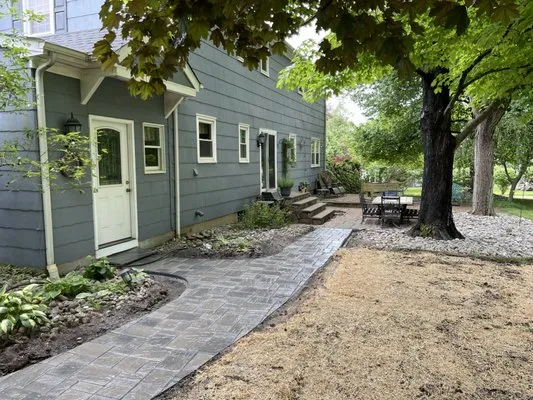
Gladiator Property Development
Gladiator Property Development is a licensed and insured hardscape and landscape company serving Neshanic Station and Central New Jersey. Founded by owner Gavin Wasilius, a Somerville native and Immac...
Estimated Landscaping Service Costs in Independence, NJ
Q&A
Why does my Great Meadows lawn struggle despite regular care?
Independence properties built around 1978 have 48-year-old soil profiles. Acidic loam in this neighborhood has likely compacted over decades, reducing percolation below 0.5 inches per hour. Core aeration every 2-3 years introduces oxygen channels while organic amendments like composted leaf mold buffer pH toward 6.2. This addresses the root zone deficiencies common in established lots where subsoil layers restrict water movement.
How quickly can you respond to storm damage for HOA compliance?
Emergency cleanup crews dispatch from the Independence Township Municipal Building via US-46. During peak conditions, travel to Great Meadows requires 25-35 minutes accounting for debris clearance. We prioritize safety assessments before removing hazardous limbs, coordinating with township guidelines for roadside debris piles. All equipment meets standard 8am-8pm noise ordinances for immediate neighborhood response.
Should I reduce lawn area for lower maintenance costs?
Replacing high-input turf with native plantings like Common Milkweed and New England Aster cuts mowing frequency by 60%. These species require no fertilization under NJ Fertilizer Law and support 2026 biodiversity targets. Transitioning to electric maintenance equipment preempts potential gas-blower restrictions while reducing decibel levels below ordinance thresholds. Joe-Pye Weed stands provide seasonal structure with minimal irrigation demands.
Are bluestone patios better than wood decks for longevity?
Bluestone and permeable concrete pavers offer 40+ year lifespans versus wood's 15-year replacement cycle. These materials maintain structural integrity during freeze-thaw cycles in USDA Zone 6b while requiring zero chemical treatments. For Moderate Fire Wise Zone 2 compliance, non-combustible hardscapes create defensible space without organic fuel loads. Proper base preparation with geotextile fabric prevents settling issues common in loamy soils.
Can I maintain healthy turf under Stage 1 water restrictions?
Smart Wi-Fi ET-based controllers with soil moisture sensors optimize Kentucky Bluegrass and Tall Fescue mixes. These systems adjust runtime based on evapotranspiration data, reducing irrigation by 20-30% while maintaining 85% turf density. Moisture sensors prevent watering during rainfall events, keeping usage within voluntary conservation limits. Weekly cycle-and-soak programming ensures deep root hydration without violating municipal guidelines.
What permits and licenses are needed for grading my 0.75-acre lot?
The Independence Township Construction Department requires grading permits for earth movement exceeding 50 cubic yards. New Jersey Board of Examiners of Landscape Architects licensing ensures professionals understand slope stability calculations and erosion control measures. On 0.75-acre parcels, engineered drainage plans must demonstrate compliance with municipal stormwater regulations. Unlicensed grading risks fines up to $5,000 and mandatory restoration orders.
What solutions exist for seasonal waterlogging in low areas?
Moderate waterlogging in riparian zones indicates poor permeability in acidic loam. Installing French drains with clean gravel aggregate improves subsurface flow rates. Permeable concrete pavers or dry-laid bluestone systems create infiltration surfaces that meet Independence Township Construction Department runoff standards. Grading adjustments with 2% slope direct water toward rain gardens planted with Switchgrass, which tolerates periodic saturation.
How do I manage invasive species without chemical overuse?
Japanese stiltgrass and garlic mustard pose primary risks in acidic loam environments. Manual removal before seed set in early summer prevents spread without triggering Fertilizer Law blackout dates. Spot-treatment with vinegar-based herbicides avoids phosphorus runoff concerns in riparian zones. Introducing competitive natives like Switchgrass crowds out invaders while improving soil mycorrhizae networks for long-term suppression.
