Top Landscaping Services in Hanover, NJ, 07927 | Compare & Call
There are 210 landscaping companies server in Hanover NJ
John Infantino Landscaping is a trusted local landscaping company serving Hanover, NJ, and surrounding areas. We specialize in addressing common landscaping challenges faced by homeowners in our commu...
Prestige Landscape Service is a dedicated Morris Plains landscaping company tackling the area's common lawn challenges head-on. We specialize in diagnosing and correcting poor lawn grading and soil co...

Woodland Tree Experts has been Madison's trusted tree care and landscaping partner since 1947. Serving Morris, Essex, and Union counties, we provide comprehensive services including tree pruning, remo...
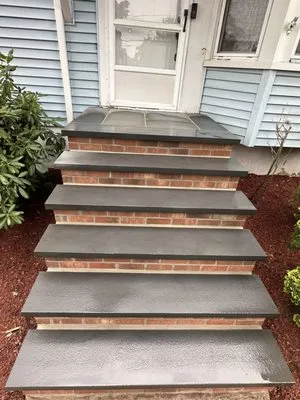
Vicente & Son Masonry & Landscaping
Vicente & Son Masonry & Landscaping is a trusted, family-owned business serving Morristown and surrounding communities. We specialize in expert masonry and comprehensive landscaping services, creating...
Progressive Landscaping is a dedicated local landscaping company serving Cedar Knolls, NJ, and surrounding communities. We specialize in diagnosing and resolving common regional challenges, including ...
CAMASTA Landscaping & Sealcoating
CAMASTA Landscaping & Sealcoating is a trusted, licensed provider serving Whippany, NJ, and surrounding communities. With deep knowledge of local soil and climate conditions, we specialize in landscap...
Gesualdo Landscaping is a trusted, locally-owned landscaping company serving Whippany, NJ, and surrounding areas. We specialize in comprehensive landscape solutions tailored to the unique needs of Mor...
Giannattasio A Landscaping is a trusted, locally-owned landscaping company serving Whippany, NJ. We specialize in diagnosing and correcting the common local issues of poor lawn grading and dying shrub...
O'Donnell Landscaping is a trusted, locally-owned landscaping company serving Whippany, NJ, and surrounding Morris County communities. With a deep understanding of the region's unique climate and soil...
JPG Landscape & Hardscape in Hanover, NJ, is a family-run business built on a foundation of generational expertise. We blend the time-honored skills and craftsmanship learned from my father and grandf...
Estimated Landscaping Service Costs in Hanover, NJ
Q&A
Can you handle an urgent HOA violation notice for overgrowth or storm damage?
Yes. For emergency cleanup or compliance in Whippany, crews dispatch from the Hanover Township Municipal Building area. Using I-287, peak storm response times are reliably 20-30 minutes. We prioritize safety and deploy electric equipment where feasible to comply with the 8:00 AM start time under local noise ordinances, ensuring rapid resolution.
What permits and credentials are needed for major landscaping or regrading work?
Significant earthmoving or grading on a 0.35-acre lot typically requires a permit from the Hanover Township Engineering Department to ensure proper stormwater management. The contractor must hold a valid Home Improvement Contractor license from the New Jersey Division of Consumer Affairs. This licensing is mandatory for projects exceeding $500 and provides legal recourse, ensuring work meets state codes and property line regulations.
What invasive species should I watch for, and how do I treat them responsibly?
Japanese stiltgrass and garlic mustard are prevalent invasive threats in Hanover. Manual removal before seed set is most effective. For chemical control, any professional application must follow the New Jersey Fertilizer Law, which prohibits phosphorus fertilizer and restricts nitrogen application outside of growing seasons. Always verify contractor licensing with the NJ Division of Consumer Affairs to ensure safe, legal practices.
Why does my Whippany lawn struggle after 58 years, despite regular care?
Properties developed around 1968 have mature but compacted soils. Over decades, construction and foot traffic have degraded the native acidic sandy loam, reducing pore space for air and water. This compaction limits root growth for Kentucky Bluegrass and impedes water percolation, exacerbating the common subsoil clay layer. Core aeration and incorporating organic compost are critical to rebuild soil structure and restore biological activity.
Is there a lower-maintenance, eco-friendly alternative to my traditional lawn?
Transitioning sections of high-input turf to a native plant community is highly effective. Species like Eastern Redbud, Switchgrass, Black-eyed Susan, and Butterfly Weed are adapted to Zone 7a's acidic sandy loam, require minimal watering once established, and support 2026 biodiversity targets. This xeriscaping approach also reduces mowing frequency, aligning with the shift toward quieter, electric maintenance equipment.
Are permeable pavers a better choice than wood decking for a new patio?
For longevity and ecological function, permeable concrete pavers are superior. Unlike wood, they do not rot, warp, or require chemical treatments, offering a decades-long service life with minimal upkeep. In our Low Fire Wise Rating area, their non-combustible nature contributes to defensible space. Their permeability also manages stormwater onsite, a key consideration for local grading permits.
My yard has persistent puddles. What's a long-term solution for Whippany's clay subsoil?
Localized ponding is a direct result of high clay content in the subsoil, which restricts downward water movement. Installing French drains or dry wells addresses symptoms, but replacing impervious surfaces with permeable concrete pavers is a systemic solution. This material allows stormwater to infiltrate, meets Hanover Township Engineering Department runoff standards, and reduces the hydraulic load on the clay layer.
How can I maintain a healthy lawn during Hanover's Stage 1 water conservation?
Modern Wi-Fi ET-based weather sensing controllers are essential. They automatically adjust watering schedules using real-time evapotranspiration data, applying water only when the Kentucky Bluegrass and Tall Fescue blend needs it. This technology can reduce water use by 20-30% while preserving turf health, keeping you well within voluntary conservation guidelines and preventing overwatering that worsens clay-related ponding.
