Top Landscaping Services in Glen Ridge, NJ, 07028 | Compare & Call
There are 175 landscaping companies server in Glen Ridge NJ
Pierre's Landscaping is a trusted, full-service landscaping company serving Orange, NJ, and surrounding communities. We specialize in comprehensive landscape solutions including design, construction, ...
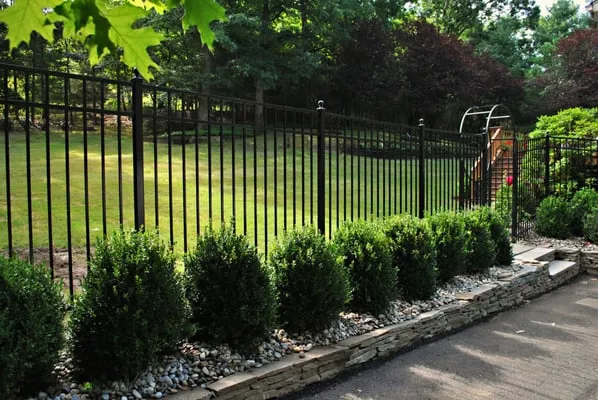
Scalora Landscaping Services has been enhancing outdoor spaces in South Orange, NJ since 1991. Founded and operated by brothers Michael and Peter Scalora, this family-owned business brings decades of ...
Lalvay & Sons is a family-owned and operated construction and landscaping company serving Orange, NJ, and the surrounding communities. For years, we've built our reputation on reliability, clear commu...
Anthony's Landscaping has been a trusted name in South Orange, NJ, and surrounding communities for over three decades. With deep roots in the area, we understand the unique soil conditions, climate ch...
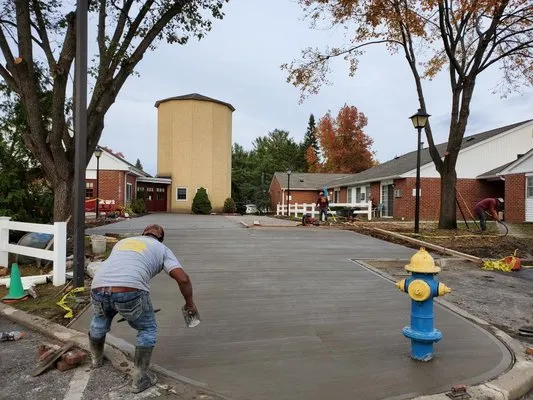
Luigi General Contractors Paving & Landscaping
Luigi General Contractors Paving & Landscaping in Orange, NJ, is a licensed landscape design and paving contractor with deep roots in the local community. Founded by Luigi, who built the business from...
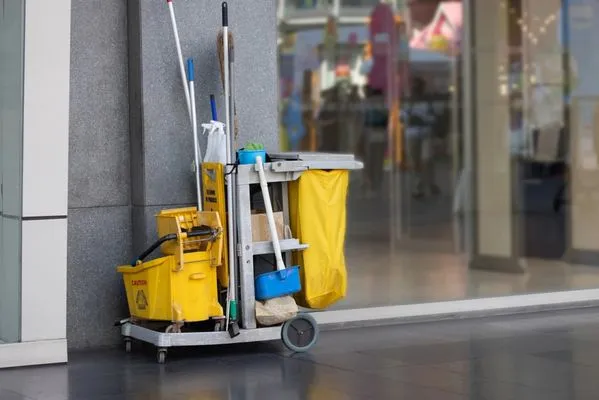
Heritage Maintenance Solutions
Heritage Maintenance Solutions is a locally owned and operated home services company based in Edison, NJ, specializing in junk removal and facilities maintenance. We provide reliable services includin...
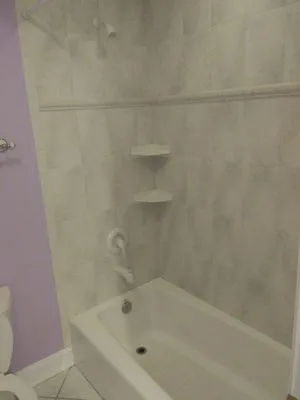
Family Guardado Landscaping is a full-service West Orange, NJ contractor specializing in landscaping, hardscaping, demolition, and masonry. We help local homeowners transform their outdoor spaces from...
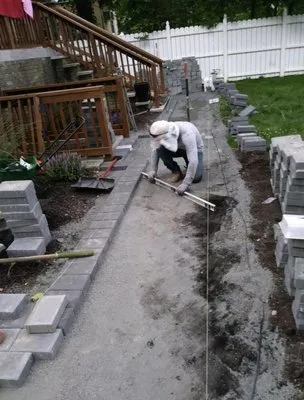
Angel Landscaping
Angel Landscaping is a licensed West Orange, NJ landscaping company founded in 2005 by owner Jaiver Goez. With over 30 years of combined experience, this family business specializes in transforming pr...
MaxProMow is a locally owned lawn care service in West Orange, NJ, founded by homeowner Don who combines IT expertise with hands-on landscaping experience. Operating entirely in-house, the company foc...
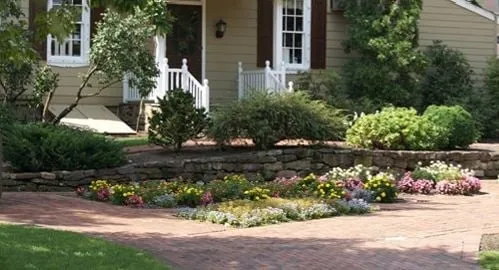
Andriello Landscape Construction
Andriello Landscape Construction in Lyndhurst, NJ, is a family-inspired business founded by Gregory Andriello, carrying forward his father's legacy of quality craftsmanship. We specialize in comprehen...
Estimated Landscaping Service Costs in Glen Ridge, NJ
Questions and Answers
Are bluestone pavers better than wood for Glen Ridge patio installations?
Bluestone pavers provide superior longevity with 50+ year lifespans versus wood's 15-25 year maximum in New Jersey's freeze-thaw cycles. Their non-combustible nature maintains Glen Ridge's low fire-wise rating by creating defensible space around structures. Properly installed with polymeric sand joints, bluestone systems resist frost heave and require only annual sealing compared to wood's seasonal maintenance demands.
What permits and licenses are required for landscaping projects on my property?
The Glen Ridge Planning & Development Department requires permits for any grading altering more than 100 cubic yards of soil on 0.22-acre lots. Contractors must hold New Jersey Division of Consumer Affairs Home Improvement Contractor licensing for projects exceeding $500. This licensing ensures compliance with statewide fertilizer laws and proper erosion control measures during installation, particularly important in historic districts with mature tree root systems.
What invasive species threaten Glen Ridge gardens and how should I treat them?
Japanese stiltgrass and garlic mustard present the highest invasion risk in USDA Zone 7b acidic soils. Manual removal before seed set in early summer prevents spread without chemical intervention. For persistent infestations, targeted glyphosate applications during fall dormancy avoid NJ Fertilizer Law restrictions on phosphorus use. Always conduct soil testing through Rutgers Cooperative Extension to document deficiencies before any amendment application.
What solutions address runoff problems in Glen Ridge's clay-heavy subsoil?
Clay-heavy subsoil beneath acidic silt loam creates moderate runoff issues with permeability rates below 0.2 inches per hour. Installing permeable bluestone paver systems with ¼-inch joints filled with angular gravel increases surface infiltration by 85%. These installations typically meet Glen Ridge Planning & Development Department runoff standards when paired with French drains that redirect water away from foundation zones.
Why does my Glen Ridge Historic District lawn have drainage issues and poor grass health?
Properties in Glen Ridge Historic District average 88 years of soil development since typical 1938 construction. Acidic silt loam soils with pH 6.2-6.5 naturally compact over decades, reducing permeability to 0.5 inches per hour. This compaction restricts root penetration for Kentucky Bluegrass and Fine Fescue blends. Annual core aeration with organic compost amendments improves soil structure by increasing pore space and microbial activity.
Can I maintain healthy turf while following Glen Ridge's water conservation guidelines?
Smart Wi-Fi ET-based weather sensing irrigation systems automatically adjust watering schedules using real-time evapotranspiration data. This technology reduces Kentucky Bluegrass and Fine Fescue water use by 25-40% while maintaining turf health during Stage 1 voluntary conservation periods. Programming deep, infrequent watering cycles at dawn minimizes evaporation loss and aligns with municipal water efficiency targets for 0.22-acre lots.
How quickly can you respond to an emergency storm cleanup for HOA compliance?
Emergency storm response from Carteret Park via Garden State Parkway reaches Glen Ridge Historic District properties in 20-30 minutes during peak conditions. Our electric maintenance fleet bypasses seasonal gas-powered equipment restrictions under local noise ordinances. We prioritize clearing drainage paths and securing hazardous limbs to meet HOA visual standards within 4 hours of dispatch notification.
How can I reduce maintenance while supporting local biodiversity?
Replacing high-maintenance turf areas with Eastern Redbud, Sweet Pepperbush, Butterfly Milkweed, and New England Aster creates pollinator corridors that exceed 2026 biodiversity standards. These native species require 70% less water than traditional lawns and eliminate weekly mowing needs. Transitioning to electric maintenance equipment ahead of gas-blower restrictions reduces noise pollution while supporting soil health through minimal disturbance practices.
