Top Landscaping Services in Gladstone, NJ, 07934 | Compare & Call
There are 189 landscaping companies server in Gladstone NJ
Marroquin Landscaping is a trusted local landscaping company serving Bernardsville, NJ, and the surrounding communities. We specialize in diagnosing and solving common local yard issues, particularly ...
Cabby Landscaping
Cabby Landscaping is a trusted Bernardsville, NJ landscaping company specializing in comprehensive solutions for local homeowners. We understand that many Bernardsville properties face common issues l...
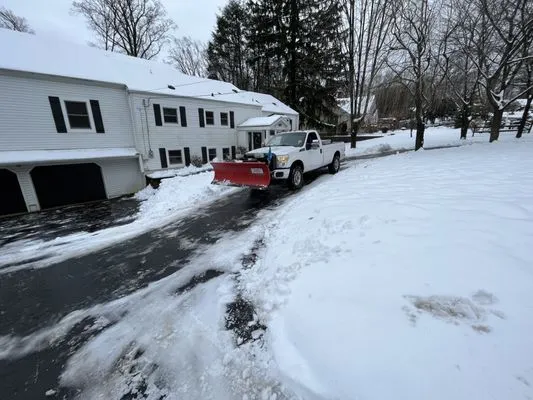
Santiago Landscaping & Cleaning Service
Santiago Landscaping & Cleaning Service is a trusted, locally-owned business serving Mendham Township and surrounding areas. With years of hands-on experience, our team provides reliable landscaping a...
Bosenburg Landscape Architecture in Bedminster, NJ, is an established landscape architecture firm specializing in residential, commercial, and mixed-use development site design. With a focus on creati...

Organic Turf and Insect is a local Chester, NJ business dedicated to solving common landscaping and pest issues for homeowners. We specialize in organic lawn care that not only beautifies your yard bu...
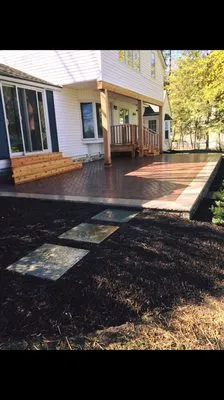
AA1 Landscaping has been serving Chester, NJ, and the surrounding communities for over 30 years, building a reputation for reliable, high-quality outdoor work. We are a full-service landscaping and ha...
The Todd Group has been a trusted landscaping partner for Bernardsville, NJ homeowners since 1975. As a licensed landscape design and maintenance company, we specialize in creating unique outdoor livi...
L J Landscaping is a trusted local landscaping company serving Far Hills, NJ, and the surrounding communities. We specialize in addressing common local landscaping challenges that homeowners face, par...
Landscapes by Design has been transforming outdoor spaces in Chester, NJ, and surrounding communities since 1990. As a professional, full-service landscaping company, we specialize in quality landscap...
Estimated Landscaping Service Costs in Gladstone, NJ
Common Questions
We're adding a patio. Is bluestone a better long-term choice than composite wood in Gladstone?
Bluestone pavers offer superior longevity and lower lifecycle maintenance compared to wood or composites in this climate. Their non-combustible nature also supports Firewise defensible space standards, which are relevant given the area's moderate wildfire risk rating. Properly installed with a permeable base, bluestone mitigates local drainage issues and provides a stable, permanent surface that integrates well with the region's aesthetic.
A storm brought down a large limb. How quickly can a crew arrive for an emergency cleanup to meet HOA standards?
For urgent storm response, our primary dispatch routes from the Gladstone Train Station to access I-78, targeting a 45-60 minute arrival during peak hours. The crew will be equipped with electric chainsaws and chippers that comply with local noise ordinances for after-hours work if necessary. This logistics plan prioritizes safety hazards and immediate compliance issues before addressing general debris.
I want to reduce mowing, gas usage, and noise. What are my options for replacing parts of my lawn?
Transitioning turf areas to a native plant community is a forward-looking solution. Species like Eastern Redbud, Switchgrass, Joe Pye Weed, and New England Aster are adapted to Zone 6b and our acidic soil, requiring no fertilization and minimal water once established. This xeriscaping approach eliminates weekly mowing and gas-powered edge trimming, aligning with trends toward electric maintenance and stricter noise ordinances.
We're planning significant regrading and new planting on our 0.75-acre lot. What legal and professional checks should we complete first?
Any significant grading or earth-moving requires review by the Peapack-Gladstone Borough Zoning & Planning Department for erosion control and stormwater management compliance. Furthermore, the contractor must be registered with the New Jersey Division of Consumer Affairs as a Home Improvement Contractor. This state licensing is mandatory for projects of this scale and provides critical consumer protections regarding contracts, insurance, and dispute resolution.
I see a fast-spreading vine in my planting beds. How should I handle invasive species without harming my lawn?
Common invasive alerts for this area include Japanese knotweed and mile-a-minute vine. Manual removal is best for small infestations. For chemical control, a targeted, systemic herbicide applied in late summer is most effective. Crucially, any product used must be phosphorus-free to comply with the New Jersey Fertilizer Law, and applications must avoid blackout dates typically in effect during summer months to protect watersheds.
How can I keep my Kentucky Bluegrass lawn healthy during the summer while respecting Gladstone's water conservation requests?
Under Stage 1 voluntary conservation, an ET-based Wi-Fi irrigation system is essential. It adjusts runtimes daily using local weather data to replace only the water lost to evapotranspiration. This technology, combined with proper mowing height for fine fescue blends, promotes deep roots and drought tolerance. This approach maintains turf health while potentially reducing seasonal water use by 20-30% versus standard timer systems.
My yard stays soggy for days after rain. What's the cause, and what's a long-term solution that might also need a permit?
The seasonal high water table and poor infiltration of Gladstone's channery silt loam are the primary causes. A solution involves installing a French drain system tied to dry wells or daylighted outlets. Using permeable bluestone pavers for any new patios or walkways reduces surface runoff. The Peapack-Gladstone Borough Zoning & Planning Department typically requires a permit for grading and drainage structures that alter water flow on a property.
My lawn seems thin and compacted, especially compared to newer neighborhoods. Is this just the age of my Gladstone home?
Properties in the Gladstone Center area, typically built around 1971, have 55-year-old soil profiles. The native acidic channery silt loam becomes dense over decades, restricting root growth and water infiltration. This compaction reduces soil oxygen and limits nutrient availability for turf. Core aeration followed by top-dressing with composted organic matter is critical to rebuild soil structure and correct pH imbalances inherent to this soil type.
