Top Landscaping Services in Franklin Lakes, NJ, 07417 | Compare & Call
There are 187 landscaping companies server in Franklin Lakes NJ
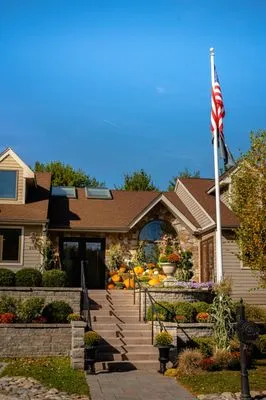
High Sierra Landscape Contractors
High Sierra Landscape Contractors provides reliable, owner-operated lawn care, tree services, and snow removal for Park Ridge, NJ. We focus on clear communication, timely service, and taking genuine r...
Johann's Landscaping is a trusted, locally-owned landscaping company serving Fair Lawn, NJ, and the surrounding communities. With years of experience in the area, we specialize in diagnosing and treat...

Landscapeworks is a full-service, award-winning landscape company serving Hawthorne, New Jersey, with over 25 years of experience. We specialize in comprehensive landscape solutions for both residenti...
Fairway Estates Landscaping is a trusted local landscaping company serving Waldwick, NJ, and surrounding areas. We specialize in addressing common landscaping challenges faced by homeowners in our com...
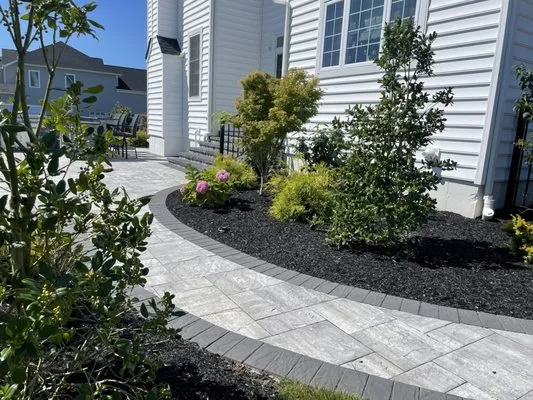
Joe Finizio & Sons Landscape Contractors
Joe Finizio & Sons Landscape Contractors is a family-owned and operated landscape design/build firm serving Oakland, NJ, with over 35 years of experience. Led by Certified Landscape Technician Joe Fin...
Jager Landscaping
Jager Landscaping is a locally owned and operated landscaping company serving Oakland, NJ, and surrounding Bergen and Passaic counties since 1971. Founded by Frank Jager, who grew up in North Haledon ...
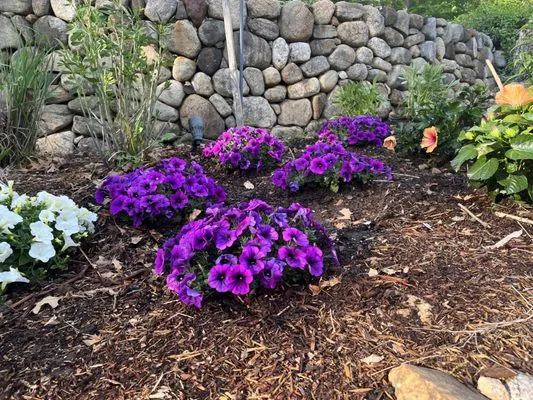
GreenGo Landscaping
GreenGo Landscaping in Midland Park, NJ, is a family-owned and operated business built on a lifelong passion for nature and the outdoors. Owner John's journey began at age 12 spreading mulch and tendi...
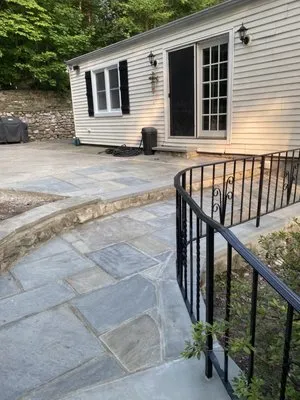
Kodiak Landscape is a full-service landscaping company serving Haskell, NJ, and the surrounding areas. We specialize in comprehensive outdoor solutions, from earthmoving and driveway construction to i...
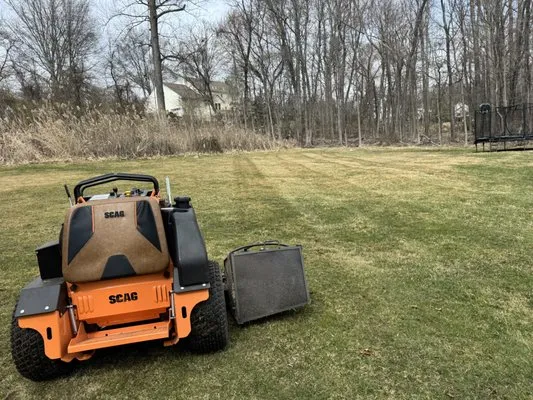
Spruce Springs Landscaping
Spruce Springs Landscaping is a Mahwah-based landscaping company founded by two friends, Selim and Joaquin, who combined their vision and hands-on expertise to build a local business focused on transf...
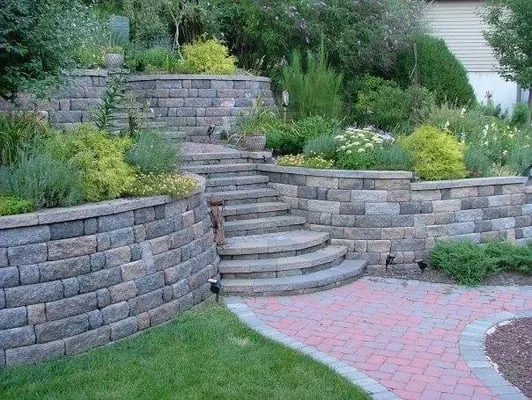
Northbrook Landscape and Pool
For over 30 years, Raymond Engel has led Northbrook Landscape and Pool, a family-owned business he founded in 1974. While his college degree is in accounting, Ray applies that analytical skill to ever...
Estimated Landscaping Service Costs in Franklin Lakes, NJ
FAQs
Are bluestone patios a good choice compared to composite wood for durability and fire safety?
Bluestone and permeable concrete pavers offer superior longevity with minimal upkeep in our freeze-thaw climate. Unlike wood or composites, they are non-combustible, which is a critical component of creating defensible space in Franklin Lakes' Moderate Wildland-Urban Interface rating. This inert material also does not leach chemicals, supporting healthier soil biology adjacent to the installation.
What permits and credentials are needed for regrading and drainage work on my one-acre lot?
Significant earthmoving on a one-acre property typically requires a permit from the Franklin Lakes Building & Planning Department to ensure compliance with stormwater regulations. The contractor must hold a valid Home Improvement Contractor license from the NJ Division of Consumer Affairs. This licensing is mandatory for projects affecting structural drainage and validates the contractor's knowledge of state law and local codes.
Why does the soil in my High Mountain Reserve yard seem so compacted and acidic?
Soils in Franklin Lakes, particularly in neighborhoods like High Mountain Reserve developed in the 1980s, have matured for about 45 years. The prevalent acidic loam, formed over glacial till, naturally compacts over decades of standard maintenance. This history reduces permeability and exacerbates runoff issues. Annual core aeration and incorporation of organic compost are essential to rebuild soil structure and mitigate inherent acidity.
What should I do about invasive weeds like Japanese Knotweed without using harsh chemicals?
For pervasive invasives, a multi-year integrated management plan is required. Initial manual removal must be followed by smothering with heavy-grade geotextile and planting aggressive natives like Purple Coneflower to compete. Any approved herbicide application must strictly follow the NJ Fertilizer Law, avoiding phosphorus and adhering to seasonal blackout dates to protect watershed health.
Is there a lower-maintenance, eco-friendly alternative to my large lawn?
Transitioning turf areas to a native plant community is a forward-looking strategy. Species like Eastern Redbud, Sweet Pepperbush, and Little Bluestem are adapted to Zone 6b acidic soils and require no fertilization or weekly mowing. This xeriscaping approach conserves water, supports local pollinators, and reduces dependency on gas-powered equipment, aligning with evolving noise and emission ordinances.
How quickly can a crew respond for an emergency cleanup to meet an HOA notice?
For urgent HOA compliance or storm-related emergencies, we prioritize dispatch from our staging area near the Franklin Lakes Nature Preserve. Using I-287, our target arrival to the High Mountain Reserve area is 20-30 minutes during peak conditions. This logistics plan accounts for local traffic patterns to ensure timely mitigation of safety hazards or violation risks.
My yard has significant pooling after storms. What's the best long-term solution?
High runoff from Franklin Lakes' topography and dense glacial till subsoil is a common issue. The fundamental solution is improving subsurface permeability through strategic regrading and dry well installation. For hardscapes, specifying permeable concrete pavers or open-joint bluestone allows stormwater to infiltrate, meeting Building Department standards for on-site management and reducing downstream erosion.
How can I keep my Kentucky Bluegrass lawn healthy under Stage 1 water conservation?
Wi-Fi ET-based weather-sensing irrigation is critical for compliance. This technology schedules watering based on real-time evapotranspiration data, applying water only when the turfgrass blend actually needs it. This method can reduce usage by 20-30% compared to traditional timers, preserving lawn health within voluntary municipal limits. Proper calibration ensures deep root hydration without waste.
