Top Landscaping Services in Forked River, NJ, 08731 | Compare & Call
There are 187 landscaping companies server in Forked River NJ
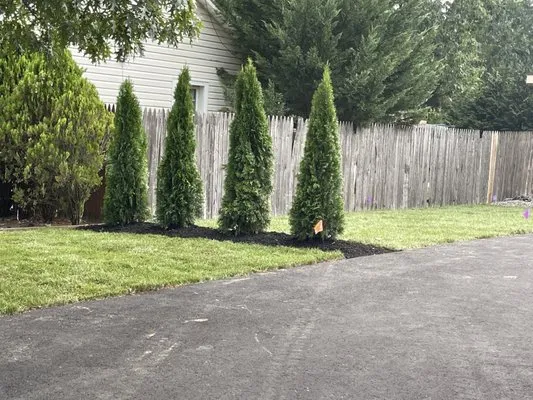
Happy Wife Happy Life Landscaping is a professional, detail-oriented landscaping and hardscaping company serving Bayville, NJ. We take pride in building lasting value and beauty for your home with rel...
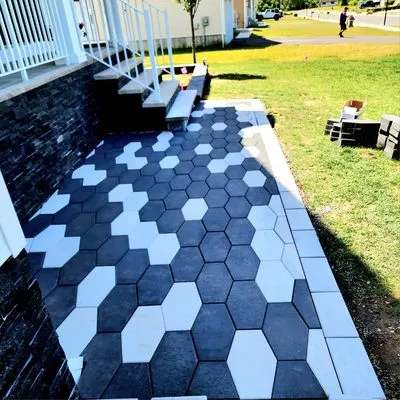
Castro Landscaping is a trusted, full-service contractor serving Ocean County, NJ, specializing in landscaping, masonry, and fence installation. We understand the unique challenges local homeowners fa...
Jersey Coast Landscaping is a trusted, full-service landscaping contractor serving Toms River and the surrounding Jersey Shore communities. We specialize in both softscape and hardscape solutions to e...

C & G Landscaping is a full-service landscaping contractor based in Toms River, NJ, dedicated to serving Ocean County, Monmouth County, and the surrounding communities. We offer a comprehensive range ...

GMX Landscaping is a fully insured, family-owned company with over 30 years of dedicated service to Monmouth and Ocean counties. We believe in building relationships face-to-face, which is why we invi...
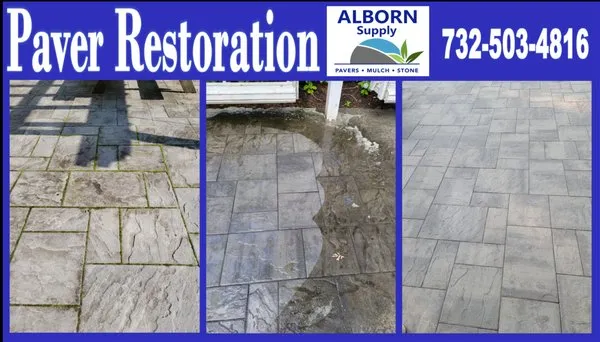
Alborn Supply
Alborn Supply is a trusted, family-owned landscape material supplier based in Toms River, New Jersey. For years, we've provided high-quality mulch, decorative stone, gravel, rock, and topsoil to homeo...
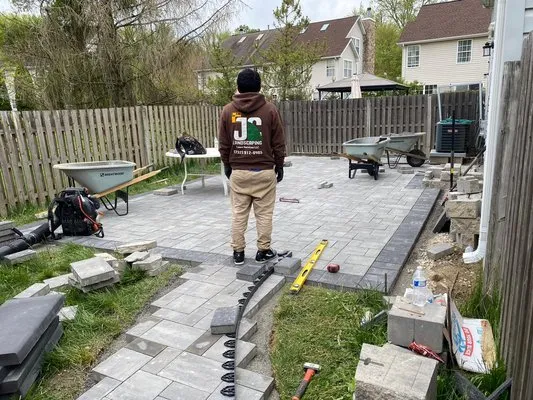
JC Landscaping & Pavers is a Manchester, NJ-based business founded by JC, who brings years of professional experience from working at a landscaping and paving company before starting his own venture f...
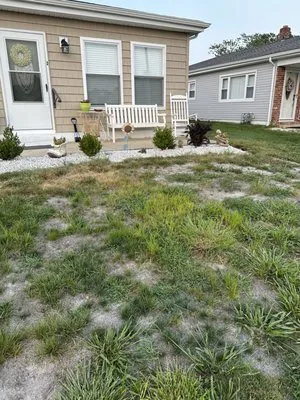
Lawn Advisory Service is a trusted lawn care provider in Toms River, NJ, specializing in comprehensive solutions for local homeowners. We understand that standing water and soil compaction are common ...
Kyle's Landscaping is a trusted, locally-owned landscaping company serving Toms River, NJ. We specialize in helping homeowners tackle common local landscaping challenges like persistent mulch bed weed...
JSM Landscaping & Lawn Care is a trusted local provider in Toms River, NJ, specializing in comprehensive lawn and tree services. We understand the common landscaping challenges our neighbors face, par...
Estimated Landscaping Service Costs in Forked River, NJ
Questions and Answers
What solves seasonal flooding in my sandy soil yard?
High permeability sandy loam combined with Pine Barrens seasonal high water tables creates localized drainage issues. Permeable concrete pavers allow 80-90% of rainfall to infiltrate directly into soil, reducing surface runoff. This approach meets Lacey Township Zoning and Planning Department standards for stormwater management. For severe cases, French drains with gravel beds can redirect water while maintaining soil structure.
What invasive species threaten Forked River landscapes?
Japanese stiltgrass and mile-a-minute vine pose significant risks in acidic sandy loam soils. Treatment requires careful timing outside NJ Fertilizer Law blackout dates when nitrogen applications are prohibited. Manual removal combined with targeted organic herbicides during permitted windows prevents spread. Establishing dense native plant communities creates competition that naturally suppresses invasive establishment without violating nutrient management regulations.
Are permeable pavers better than wood for patio longevity?
Permeable concrete pavers offer 30+ year lifespans versus wood's 10-15 years in Forked River's humid climate. Their non-combustible nature supports Moderate Fire Wise ratings where defensible space matters near Pinelands interfaces. Unlike wood that requires chemical treatments, pavers maintain stability without leaching substances into acidic soils. Proper installation with geotextile fabric prevents weed penetration while allowing natural drainage.
Why does my Forked River Center lawn struggle despite regular care?
Properties built around 1981 have 45-year-old soil profiles where acidic sandy loam has become compacted and nutrient-depleted. This soil type naturally occurs in Forked River due to Pine Barrens geology but loses organic matter over decades. Core aeration with compost amendments improves soil structure and water retention. Without addressing this mature soil condition, turfgrass roots cannot access sufficient moisture or nutrients.
How quickly can you respond to storm damage for HOA compliance?
Emergency cleanup crews dispatch from the Lacey Township Municipal Building via Garden State Parkway, arriving in Forked River Center within 20-30 minutes during peak response periods. We coordinate with township officials to prioritize safety hazards like downed branches blocking driveways. Our electric equipment fleet operates within noise ordinance hours to address immediate concerns while maintaining neighborhood quiet hours.
What permits and licenses are needed for grading my 0.35-acre lot?
Grading work exceeding 100 cubic yards requires Lacey Township Zoning and Planning Department review for erosion control compliance. New Jersey Division of Consumer Affairs - Home Improvement Contractor licensing is mandatory for professionals performing this work. On 0.35-acre lots, even minor elevation changes can affect drainage patterns across property lines. Licensed contractors carry insurance protecting against subsurface utility damage during excavation in older neighborhoods.
How can I reduce maintenance while supporting local ecology?
Replacing high-maintenance turf with native plants like coastal panic grass, butterfly milkweed, beach plum, and sweet pepperbush creates resilient landscapes. These species require minimal watering, no chemical inputs, and provide habitat for pollinators. Transitioning to electric maintenance equipment aligns with noise ordinance restrictions on gas-powered equipment. This approach reduces weekly mowing needs while enhancing biodiversity ahead of 2026 conservation targets.
Can I maintain healthy turf while following water restrictions?
Stage 1 voluntary conservation allows efficient irrigation when using smart Wi-Fi ET-based weather sensing controllers. These systems calculate evapotranspiration rates to deliver precise water volumes matching turf needs. Tall fescue with Kentucky bluegrass requires 1-1.5 inches weekly during peak growth, which ET controllers can schedule during optimal absorption periods. This technology reduces water use 20-30% while preserving turf health through dry spells.
