Top Landscaping Services in Fanwood, NJ, 07023 | Compare & Call

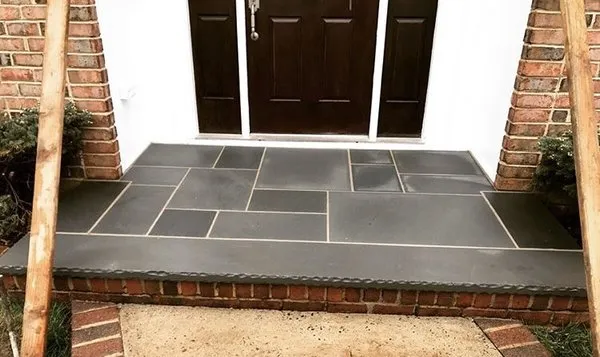
Founded by lifelong friends Dave and Tom, Vali Construction has deep roots in Fanwood. The partners started learning the trade in 8th grade, laboring for family and refining their skills at Union Coun...
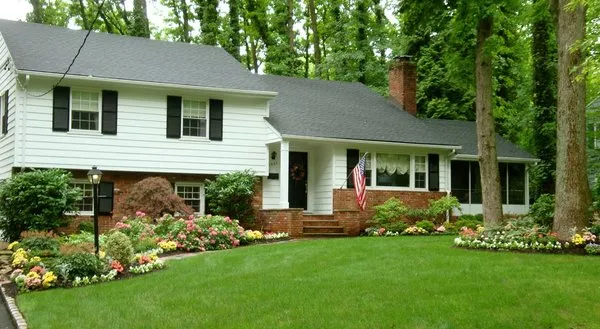
GreenKeepers Landscaping
For over 30 years, GreenKeepers Landscaping has been a trusted partner for homeowners in Fanwood, NJ, dedicated to transforming properties with thoughtful, lasting design. We approach every project as...
D Romeo & Son Landscaping is a family-owned and operated landscaping company serving Fanwood, NJ, and the surrounding areas. With deep roots in the community, we specialize in addressing common local ...

Antonio Divito Landscaping is a trusted, locally-owned landscaping service based in Fanwood, NJ, specializing in creating and maintaining beautiful, functional outdoor spaces. We understand the specif...

ASV Landscaping Design and Home Improvement LLC is a remodeling company based in Fanwood, NJ, specializing in residential renovation and landscaping services. We provide reliable and affordable soluti...
FAQs
What are the most aggressive weeds here, and how do we treat them safely?
In Fanwood, invasive species like Japanese stiltgrass, garlic mustard, and mile-a-minute vine are primary concerns. Manual removal before seed set is most effective. For chemical control, selective, EPA-registered herbicides can be used as a spot treatment, but application must strictly follow the NJ Fertilizer Law. This prohibits applying any product containing phosphorus or nitrogen within 10 feet of a water body and enforces blackout dates, typically from November 15th to March 1st, to protect watersheds.
Are permeable pavers a better choice than a traditional wood deck?
For longevity and ecological function in our climate, permeable concrete pavers are superior. While wood requires regular sealing and decays, pavers have a 25+ year lifespan with minimal maintenance. They manage stormwater on-site, a key permit consideration. Furthermore, in a low Fire Wise rating area like ours, non-combustible pavers provide critical defensible space adjacent to the home, unlike wood, which is a fuel source. Their durability justifies the higher initial investment.
Can we have a green lawn while following water conservation guidelines?
Yes, by using Wi-Fi ET-based weather-sensing irrigation. This system automatically adjusts watering schedules in real-time based on local evapotranspiration data, rainfall, and soil moisture. For your Kentucky Bluegrass and Fine Fescue blend, it applies water only when and where needed, minimizing waste. This technology is the most effective method for maintaining turf health within voluntary municipal conservation limits, often reducing potable water use by 20-30%.
How quickly can you respond for an emergency storm cleanup to meet HOA deadlines?
For urgent compliance work, our dispatch from the Fanwood Train Station area allows a peak response of 20-30 minutes via Route 22. We maintain an electric fleet of quiet, battery-powered equipment to begin work immediately within permitted noise ordinance hours, even on Saturdays. This ensures efficient debris removal and branch clearing to restore property safety and meet typical 48-hour HOA violation notices.
Our yard holds water for days after a rain. What's the best long-term fix?
This is a classic symptom of our area's high seasonal water table combined with the poor infiltration of compacted acidic silt loam. Solutions must address both surface and subsurface flow. Installing a French drain system tied to a dry well is often necessary. For new patios or walkways, using permeable concrete pavers is highly recommended, as they meet borough stormwater management standards by allowing rainwater to infiltrate directly into the subsoil, reducing runoff.
What permits and credentials should we verify before hiring for a grading and patio project?
Any significant grading or impervious cover installation on a 0.22-acre lot requires a permit from the Fanwood Borough Planning and Zoning Department to ensure compliance with drainage and zoning codes. Legally, the contractor must hold a valid New Jersey Home Improvement Contractor Registration from the Division of Consumer Affairs. For projects involving structural changes or complex drainage, verifying additional licensing, such as a New Jersey Landscaping Architect license or specific contractor classifications, is essential for liability and quality assurance.
We're tired of weekly mowing and gas blower noise. What's a lower-maintenance alternative?
Transitioning to a climate-adapted landscape centered on native plants drastically reduces maintenance. A planting scheme using Little Bluestem, Butterfly Weed, New England Aster, and Oakleaf Hydrangea creates a resilient, year-round landscape that requires no mowing, minimal watering once established, and supports local pollinators. This approach future-proofs your property against tightening noise ordinances and aligns with 2026 biodiversity goals, eliminating reliance on gas-powered equipment entirely.
Why does our neighborhood soil seem so dense and tired, and what can we do about it?
Homes built in 1955, like many in Fanwood Park, have soils that are now 71 years old. Decades of compaction from construction and maintenance have degraded the original structure of our acidic silt loam, reducing pore space and biological activity. This common condition leads to poor root growth and water infiltration. Restoring health requires core aeration to relieve compaction, followed by top-dressing with compost to rebuild organic matter and support soil life.
