Top Landscaping Services in Edgewater, NJ, 07010 | Compare & Call
There are 99 landscaping companies server in Edgewater NJ

Jimenez Landscaping Services is a trusted, full-service landscaping company serving the Little Ferry, NJ community. We specialize in comprehensive landscape solutions, from design and installation to ...
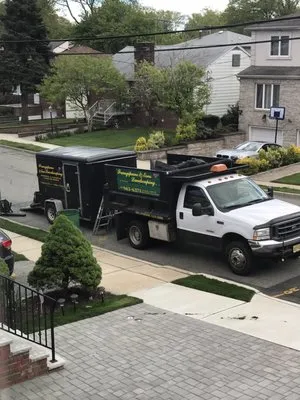
Frangipane's & Son's Landscaping is a trusted, family-owned landscaping business serving Cliffside Park, NJ, for over 20 years. We specialize in comprehensive lawn care and irrigation solutions tailor...
Pleasant Valley Landscaping is a trusted local landscaping company serving Edgewater, NJ, and surrounding areas. We specialize in addressing common residential landscaping challenges that Edgewater ho...
Cosmos Landscaping is a trusted local landscaping company serving Cliffside Park, NJ, dedicated to solving common yard problems homeowners face. We specialize in addressing issues like standing water ...
Steven's Landscapes is a trusted local landscaping company serving Ridgefield, NJ, and the surrounding communities. With years of experience in the area, we specialize in addressing common local lands...
Ancora Landscaping is a trusted local landscaping company serving Ridgefield, NJ, and the surrounding communities. We specialize in addressing common local landscaping challenges, particularly irrigat...
Terra Bella Landscaping
Terra Bella Landscaping is a trusted local landscaping and snow removal company serving Cliffside Park, NJ. We specialize in landscape design and snow removal, helping homeowners maintain beautiful, f...
Neighborhood Landscaping provides expert landscaping services to Fort Lee, NJ homeowners. We specialize in addressing common local yard problems, such as standing water from poor drainage and damaged ...
Crispy Clean Contracting
Crispy Clean Contracting is a full-service home improvement partner for Cliffside Park, NJ, built on a foundation of clear communication and customer-focused execution. We operate as a single, reliabl...
Estimated Landscaping Service Costs in Edgewater, NJ
Q&A
Is bluestone or a composite deck better for a patio near the cliff vegetation?
For durability and fire resilience, bluestone or permeable concrete pavers are superior to wood or composites. In Edgewater's Moderate Fire Wise rating zone, creating defensible space is prudent. Non-combustible hardscapes provide a critical barrier against embers. Bluestone offers exceptional longevity in our freeze-thaw cycles and, when set on a permeable base, reduces runoff toward the Palisades slopes, addressing both erosion control and wildfire mitigation priorities.
What permits and contractor credentials are needed for regrading my 0.12-acre lot?
Any significant grading or excavation on a sloped property requires a permit from the Edgewater Building Department to ensure proper erosion and sediment control. The contractor must hold a valid Home Improvement Contractor license from the New Jersey Division of Consumer Affairs. This is non-negotiable for work affecting drainage patterns or structural stability. Licensed professionals carry the required insurance and understand local code, protecting you from liability and substandard work.
How can I keep my Kentucky Bluegrass lawn healthy under Stage 1 water restrictions?
Smart, Wi-Fi ET-based irrigation systems are essential for conservation. These controllers use real-time weather data to adjust watering schedules based on actual evapotranspiration, preventing overwatering. For your Tall Fescue mix, this means deeper, less frequent watering cycles that encourage drought-tolerant root growth. This technology allows you to maintain turf health while voluntarily reducing overall water use, staying well within municipal guidelines and protecting the local watershed.
I want a lower-maintenance, quieter yard. What are my options?
Transitioning high-input turf areas to a climate-adaptive xeriscape is the forward-looking solution. Planting New England Aster, Butterfly Milkweed, and Switchgrass creates a biodiverse habitat that requires no mowing, minimal water, and supports pollinators. This approach naturally aligns with evolving noise ordinances by eliminating gas-powered blowers and mowers. An Eastern Redbud tree can serve as a focal point, providing structure and seasonal interest with far less resource demand than a traditional lawn.
How quickly can a crew respond for storm damage or HOA compliance work?
For emergency storm cleanup or time-sensitive compliance, our dispatch from Edgewater Veterans Field uses NJ-5 (River Road) for direct access to Edgewater Colony. During peak hours, this ensures a 20-30 minute response window. All initial response vehicles are electric, complying with local noise ordinances, and carry equipment for immediate debris clearing and temporary stabilization to prevent further property damage or violation notices.
What invasive species should I watch for, and how do I remove them safely?
Japanese Knotweed and Mugwort are prevalent invasive threats in Edgewater, outcompeting natives and degrading soil health. Manual removal or targeted, professional-grade herbicide application is necessary, always following label instructions. Crucially, any soil amendment must comply with the NJ Fertilizer Law, which prohibits phosphorus unless a soil test confirms a deficiency. Treatment timing outside of restricted blackout dates is key to both effective removal and legal compliance.
My property on the Palisades slope has serious erosion and runoff. What's the fix?
The glacial till soil common here has low permeability, exacerbating slope erosion. A layered approach is required. First, install subsurface French drains to intercept groundwater. Surface solutions should use permeable concrete pavers and dry-laid bluestone patios to increase ground absorption. Finally, strategic planting of deep-rooted natives like Switchgrass stabilizes soil. This integrated system manages runoff effectively and will meet the Edgewater Building Department's standards for stormwater management.
Why does my lawn in Edgewater Colony look thin and compacted?
Properties in this neighborhood, built around 1992, sit on a base of urban fill and glacial till, a common soil profile here. Over 34 years, this acidic soil (pH 6.2-6.5) has become heavily compacted, limiting root growth and water infiltration. The solution is not more fertilizer but annual core aeration to relieve compaction, followed by top-dressing with compost to build organic matter. This mimics natural soil development, creating a healthier foundation for your turf or native plantings.
