Top Landscaping Services in Dover, NJ, 07801 | Compare & Call
There are 182 landscaping companies server in Dover NJ
ABC Lawn Care is your trusted local lawn service provider in Wharton, NJ. We specialize in comprehensive lawn care, from routine mowing to targeted treatments, to keep your property healthy and attrac...
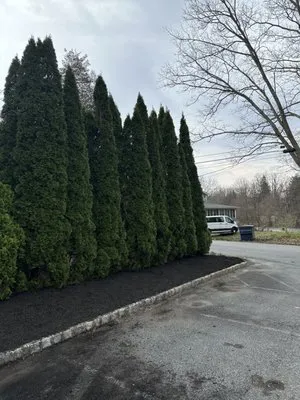
Dreamscape Home Services is a trusted Rockaway, NJ, landscaping company dedicated to solving the area's common yard challenges. We specialize in diagnosing and treating dying shrubs and repairing lawn...
Laricci Landscaping is a trusted local landscaping company serving Rockaway, NJ, and the surrounding Morris County area. We specialize in addressing common local landscaping challenges, particularly s...
Celtic Dreams Landscape is a Rockaway, NJ-based landscaping company dedicated to solving common local yard problems. We specialize in addressing issues like patchy lawn grass and persistent mulch bed ...
J & G Double Trouble is your trusted local landscaping partner in Rockaway, NJ. We specialize in addressing the common local challenges of patchy lawn grass and uneven sprinkler coverage that can detr...
Lombardi Joseph Landscaping is a trusted local landscaping company serving Wharton, NJ homeowners. We specialize in addressing common local landscaping challenges, including irrigation timer failures ...
Arden Stone Landscape Contractors is a trusted local landscaping partner serving Long Valley, NJ, and the surrounding communities. We specialize in designing and building resilient, beautiful outdoor ...
Logan Lawns is a dedicated local lawn care provider serving Rockaway, NJ, and the surrounding communities. We specialize in addressing the specific lawn challenges prevalent in our area, particularly ...
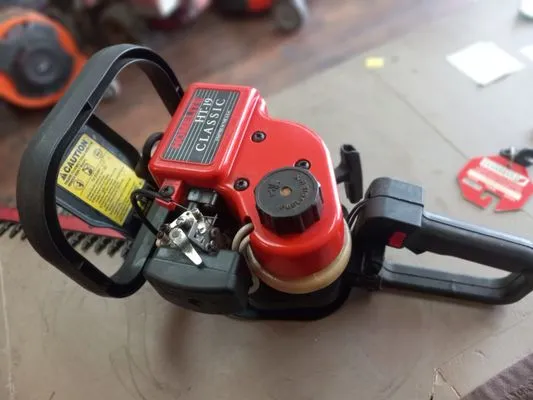
ENB Handyman
ENB Handyman is a Newton-based service provider offering year-round solutions for homeowners. We specialize in junk removal and hauling, landscaping, and snow removal, with comprehensive services rang...
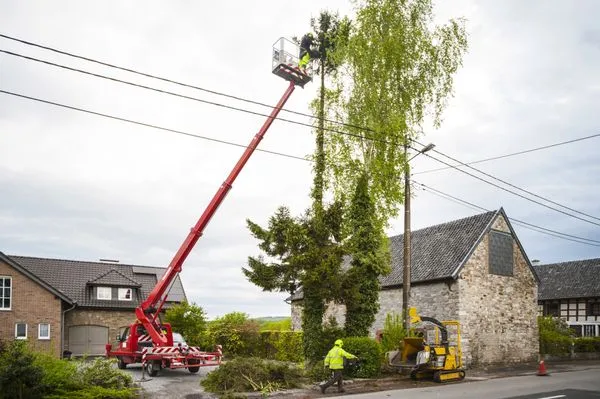
For over 20 years, Vargas Tree Service has been the trusted local provider for tree care, landscaping, and irrigation in Succasunna, NJ, and the surrounding communities. We combine extensive experienc...
Estimated Landscaping Service Costs in Dover, NJ
Question Answers
We want to reduce mowing and gas equipment noise. What are our options?
Transitioning to a landscape anchored by New Jersey natives like Eastern Redbud, Switchgrass, and Butterfly Milkweed significantly reduces maintenance. These plants require no weekly mowing, minimal watering once established, and support local biodiversity. This shift aligns with the move toward quieter, electric maintenance fleets and positions your property ahead of potential tightening in gas-powered equipment restrictions.
Are concrete pavers a better choice than wood for a new patio, considering longevity and safety?
Concrete pavers offer superior longevity and lower maintenance than wood, which decays in our climate. They also contribute to a higher Fire Wise rating for your property. Their non-combustible nature helps create defensible space in this moderate-risk zone, a key consideration for landscape planning. Properly installed with a permeable base, they also mitigate the site's runoff issues.
We've spotted invasive vines. How do we treat them without harming the soil or breaking local rules?
For invasive species like English ivy or porcelainberry, manual removal is the first defense. If herbicide is necessary, selective, systemic types applied in late summer are most effective. Crucially, any follow-up fertilizing must adhere to NJ state law, which prohibits phosphorus application unless a soil test confirms a deficiency. This ensures treatment doesn't contribute to nutrient runoff in our local watershed.
We want to regrade our backyard for better drainage. What permits and contractor checks are required?
Regrading that alters water flow typically requires a permit from the Dover Building & Zoning Department. On a 0.15-acre lot, significant earth movement must be performed by a contractor licensed by the New Jersey Division of Consumer Affairs. Always verify their license status and ensure they carry adequate insurance. This protects you from liability and guarantees the work meets municipal engineering and erosion control standards.
We have persistent puddling in our yard after rain. What's a long-term fix for this runoff?
Moderate runoff is typical here due to clay-heavy subsoil compaction beneath the acidic loam. A dual approach is effective: first, install French drains or dry wells to intercept subsurface water. Second, replace solid walkways with permeable concrete pavers. This system increases ground absorption and can help new landscape plans meet the Dover Building & Zoning Department's updated stormwater management standards.
A storm damaged several trees, and our HOA requires immediate cleanup. How quickly can a crew arrive?
For an emergency cleanup, a dispatched crew can typically arrive within 20 to 30 minutes during peak hours. Our standard routing originates from the Dover Town Hall area, utilizing I-80 for the most efficient access to Downtown Dover neighborhoods. This allows for rapid site assessment and mobilization of electric equipment, which complies with local noise ordinances for after-hours work if necessary.
Our lawn in Downtown Dover always seems compacted and thin. Could the age of our house be part of the problem?
Yes, homes built around 1957 have soil with nearly 70 years of maturity. In this time, foot traffic and standard maintenance have degraded the native acidic loam structure. The clay-heavy subsoil common in the area exacerbates compaction, limiting root penetration and water infiltration. Core aeration paired with incorporating composted organic matter is essential to rebuild soil tilth and permeability for healthy turf.
With Dover's voluntary water conservation, how do we keep our Kentucky Bluegrass blend healthy?
Smart Wi-Fi ET-based irrigation systems are the precise solution. They use local weather data to apply only the water lost to evapotranspiration, eliminating waste. This technology can maintain turf health while reducing overall water use by 20-30%, keeping you well within Stage 1 conservation guidelines. Properly programmed, it ensures deep root hydration without over-saturating the acidic loam soil.
