Top Landscaping Services in Demarest, NJ, 07627 | Compare & Call
There are 134 landscaping companies server in Demarest NJ
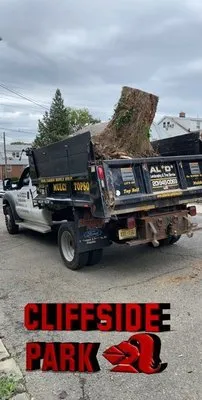
Al D Landscaping & Tree Service
Al D Landscaping & Tree Service is a family-owned and operated business serving Fairview, NJ, and surrounding Bergen County communities. Founded and run by Al Demuro alongside his wife Sheryl and thei...
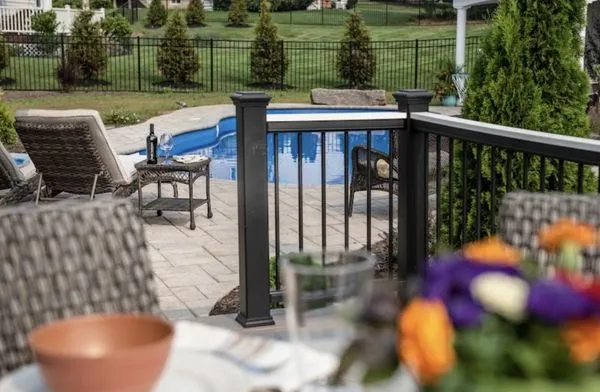
Blue Pine Snow and Landscaping is a locally owned and operated business serving Saddle Brook, NJ, and surrounding areas. With 15 years of experience, owner Sotirios brings a dedicated work ethic to ev...

North Jersey Tree Experts is a locally owned, NOFA accredited tree and plant health management company serving Fair Lawn and surrounding counties. Founded and directed by ISA Board Certified Master Ar...
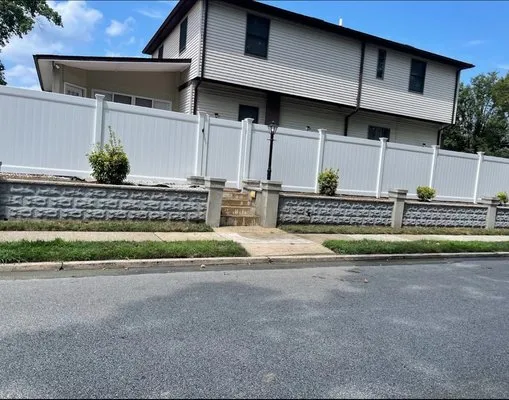
JLC Landscaping is a professional landscaping company serving Hackensack, NJ, and surrounding areas. We specialize in comprehensive outdoor solutions including lawn care, garden design, hardscaping, a...
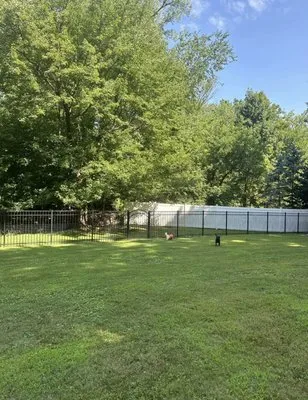
ALC Landscaping & Construction is a family-owned and operated business serving Hackensack, NJ, and surrounding communities. Founded in 2008 and now led by Angel and his brothers, we build on a foundat...
Muccis Lawncare
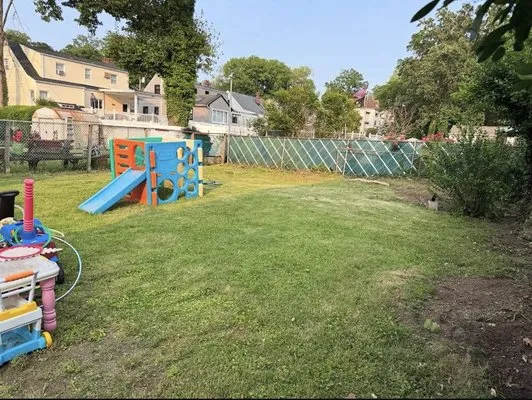
Muccis Lawncare is your trusted, local partner for maintaining a beautiful and functional property in Paramus, NJ. We combine dependable landscaping expertise with comprehensive property services, inc...

Heroes Lawn Care
Heroes Lawn Care is a locally owned lawn service provider in Closter, NJ, dedicated to keeping residential and commercial properties healthy and vibrant year-round. We offer comprehensive solutions in...

Armando’s Tree Experts is a locally owned and operated tree service company based in Elmwood Park, NJ. With many years of dedicated experience, our team provides professional, reliable, and affordable...
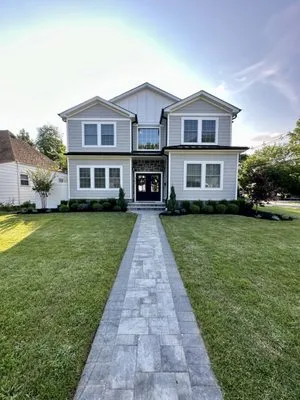
Birch Landscape & Design is a locally owned and operated business in Demarest, NJ, founded on decades of hands-on experience. Owner Jack began his career at just 12 years old, learning the trade by bl...
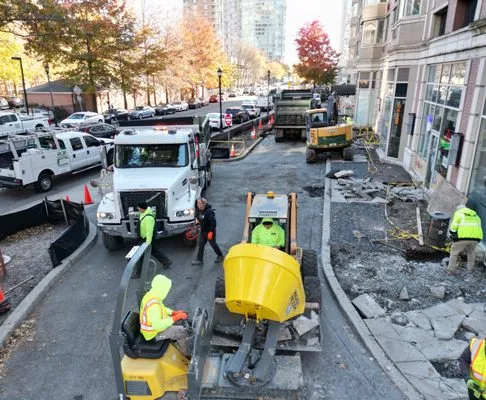
DCR Companies is a family-owned construction firm serving Metuchen, NJ, and surrounding areas since 1989. Specializing in landscaping, snow removal, and masonry/concrete work, we provide reliable solu...
Estimated Landscaping Service Costs in Demarest, NJ
FAQs
My yard has persistent soggy areas every spring. What's the cause and a lasting solution?
This is a classic symptom of Demarest's high seasonal water table and poor infiltration in subsurface clay pockets. The acidic sandy loam drains quickly initially, but water perches on these compacted layers. A solution involves installing French drains or dry wells to intercept water. For new patios, using permeable bluestone paver systems can significantly reduce runoff and often streamline approval with the Borough Building Department's stormwater standards.
Is bluestone or pressure-treated wood better for a new patio in terms of longevity and safety?
Bluestone pavers offer superior longevity and permeability compared to wood, which decays and requires chemical treatments. For Demarest's Low Fire Wise Rating, bluestone provides a non-combustible, defensible space material that meets safety recommendations for suburban residential areas. Its natural thermal mass also moderates patio temperature more effectively than wood.
What permits and credentials are needed for regrading and drainage work on my 0.45-acre lot?
Significant earthmoving and drainage alterations on a 0.45-acre property typically require a permit from the Demarest Borough Building Department. The contractor must hold a valid Home Improvement Contractor license from the New Jersey Division of Consumer Affairs. This licensing is crucial for projects affecting soil stability and water runoff, ensuring the work meets engineering and environmental standards for property protection.
How quickly can you respond for an emergency storm cleanup to meet HOA compliance deadlines?
For urgent storm response, our electric fleet can be dispatched from our staging area near Wakelee Field. We take the Palisades Interstate Parkway for direct access to Demarest Center neighborhoods, maintaining a target arrival of 20-30 minutes during peak disruption windows. This allows for immediate debris management and mitigation of safety hazards to ensure property compliance.
Why is my Demarest Center lawn so compacted and patchy despite regular care?
Homes in Demarest, built around 1962, have soils that have matured for over 60 years. The prevalent acidic sandy loam, typical of our area, has likely experienced significant compaction from decades of foot traffic and traditional maintenance. This reduces soil percolation and root penetration. Core aeration and the incorporation of compost are essential to rebuild soil structure and address the inherent low pH, which can lock up nutrients.
I want a lower-maintenance, quieter yard. What are my options beyond traditional grass?
Transitioning to a climate-adaptive landscape with native plants like Eastern Redbud, Sweet Pepperbush, and Little Bluestem dramatically reduces water, mowing, and chemical inputs. These established plantings require no gas-powered leaf blowers, aligning with Demarest's noise ordinances. This biodiversity-focused approach creates a resilient ecosystem that supports local pollinators and requires only seasonal attention.
What invasive species should I watch for, and how do I treat them during the fertilizer blackout?
Be vigilant for Japanese stiltgrass and garlic mustard, which thrive in disturbed soils. The mandatory nitrogen blackout from November 15 to March 1 prohibits synthetic fertilizer applications, but this is the ideal window for manual removal or using approved, targeted organic herbicides. Fall and winter treatment prevents seed set and is more effective than spring applications, which could violate local ordinance.
How can I keep my Kentucky Bluegrass lawn healthy under Stage 1 water conservation rules?
Stage 1 voluntary conservation is best managed with a smart Wi-Fi ET-based controller. These systems use local evapotranspiration data to apply water only when needed, often reducing usage by 20-30%. For a Fine Fescue and Bluegrass mix, this means deeper, less frequent irrigation cycles that encourage drought-tolerant root growth while staying well within municipal guidance and preserving soil moisture.
