Top Landscaping Services in Cranford, NJ, 07016 | Compare & Call
There are 194 landscaping companies server in Cranford NJ
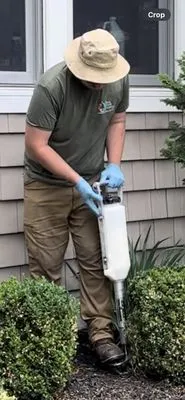
Plant Health Organics is a Frenchtown, NJ-based organic landscaping and pest control company serving Central New Jersey and Eastern Bucks County, PA. Founded by an industry veteran with over 30 years ...
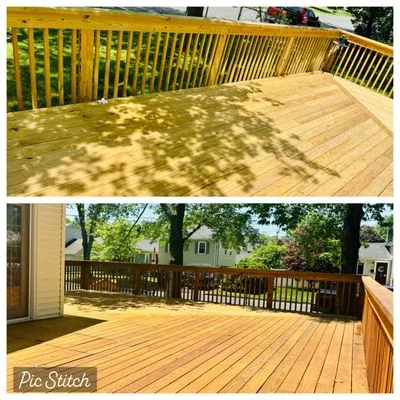
MIGGS Services is your trusted local handyman and lawn care provider in Roselle Park, NJ. We understand that not every homeowner has the time or expertise to tackle maintenance and improvement project...
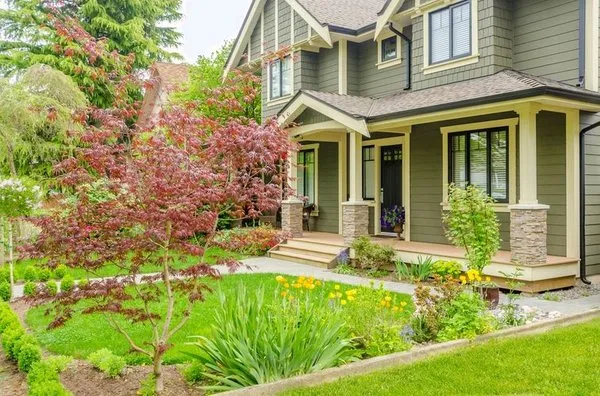
Innovative Landscape
Innovative Landscape in Union, NJ, is a full-service design and construction firm dedicated to transforming outdoor spaces and solving common local property challenges. We specialize in addressing the...

K&K Consulting & Construction Services
K&K Consulting & Construction Services is a locally owned and operated firm serving Elizabeth, NJ, and surrounding areas with over 15 years of combined expertise. We function as a comprehensive one-st...
Estimated Landscaping Service Costs in Cranford, NJ
Question Answers
How quickly can you respond to storm damage or HOA compliance issues in Cranford?
Emergency cleanup crews dispatch from Hanson Park via the Garden State Parkway, reaching Downtown Cranford properties within 20-30 minutes during peak conditions. Our electric maintenance fleet operates within Cranford's 7 AM to 7 PM weekday noise ordinance for gas-powered equipment, allowing immediate response without violation. We prioritize safety hazards like downed limbs before addressing aesthetic concerns to meet municipal and HOA deadlines.
What solutions exist for seasonal flooding in my Cranford yard near the Rahway River?
Acidic silt loam soils common in Cranford have slow permeability that worsens seasonal flooding from high water tables. Permeable concrete pavers installed with proper base materials allow 3-5 inches per hour infiltration, meeting Cranford Township Engineering & Zoning Department runoff standards. French drains directing water away from foundations complement permeable surfaces. These systems reduce standing water that damages turf roots and creates mosquito breeding habitats.
How do I control invasive species without violating New Jersey's fertilizer regulations?
Japanese stiltgrass and garlic mustard present significant invasive threats in Cranford's acidic soils. Manual removal before seed set combined with targeted organic herbicides avoids phosphorus application restricted by NJ Fertilizer Law except for new lawn establishment. Timing treatments outside blackout dates (typically December 1-March 1) prevents runoff into the Rahway River watershed. Soil testing determines if phosphorus-free fertilizers meet specific nutrient needs.
How do I maintain healthy turf during Cranford's Stage 1 water restrictions?
Wi-Fi ET-based weather sensing irrigation systems calculate evapotranspiration rates to deliver precise water amounts matching plant needs. This technology reduces Kentucky Bluegrass and Tall Fescue blend water usage by 25-40% compared to traditional timers while maintaining turf health. Systems automatically adjust for rainfall and humidity, ensuring compliance with voluntary conservation measures. Properly calibrated ET irrigation prevents overwatering that exacerbates Cranford's high water table conditions.
What permits and licensing are required for grading my 0.22-acre Cranford property?
Grading projects altering more than 100 square feet require Cranford Township Engineering & Zoning Department permits to ensure proper drainage away from structures. Contractors must hold New Jersey Division of Consumer Affairs Home Improvement Contractor licensing for work exceeding $500. Specific licensing verifies insurance coverage and knowledge of NJ Fertilizer Law application requirements. Professional grading addresses soil compaction issues common in older Cranford neighborhoods while preventing runoff violations.
Are permeable pavers better than wood for Cranford patios and walkways?
Permeable concrete pavers offer 30+ year durability versus wood's 10-15 year lifespan in Cranford's humid climate. Their permeability reduces stormwater runoff that contributes to Rahway River flooding while meeting municipal requirements. Though Cranford has low Firewise ratings, non-combustible pavers provide defensible space advantages over wood in urban-suburban interfaces. Proper installation with geotextile fabric prevents weed growth without chemical treatments.
What low-maintenance alternatives exist for my high-water-use lawn?
Transitioning sections to native plantings like Purple Coneflower, Butterfly Weed, Little Bluestem, and Joe Pye Weed reduces maintenance by 70% compared to traditional turf. These species thrive in Cranford's USDA Zone 7b conditions without supplemental irrigation once established. Native landscapes support local pollinators while eliminating gas-powered equipment use ahead of tightening noise ordinances. Strategic placement creates visual interest while minimizing maintenance requirements.
Why does my Cranford lawn struggle with compaction and poor drainage despite regular care?
Downtown Cranford properties average 77 years of development since 1949, creating mature acidic silt loam soil with pH 6.2-6.5 that has undergone decades of compression. This soil type naturally develops dense layers that restrict root growth and water movement. Core aeration every 1-2 years combined with organic amendments like composted leaf mold addresses compaction while maintaining appropriate acidity for turf health. Soil testing through Rutgers Cooperative Extension confirms specific amendment needs.
