Top Landscaping Services in Closter, NJ, 07624 | Compare & Call

Heroes Lawn Care
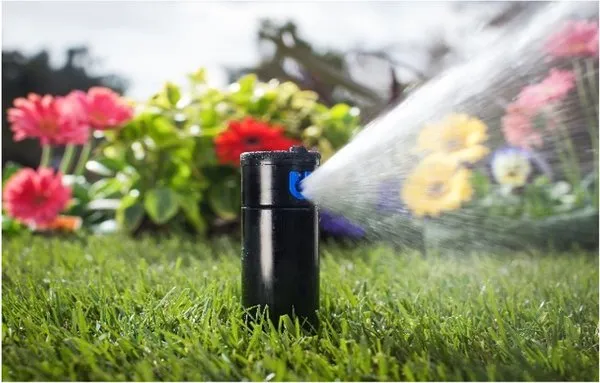
Heroes Lawn Care is a locally owned lawn service provider in Closter, NJ, dedicated to keeping residential and commercial properties healthy and vibrant year-round. We offer comprehensive solutions in...
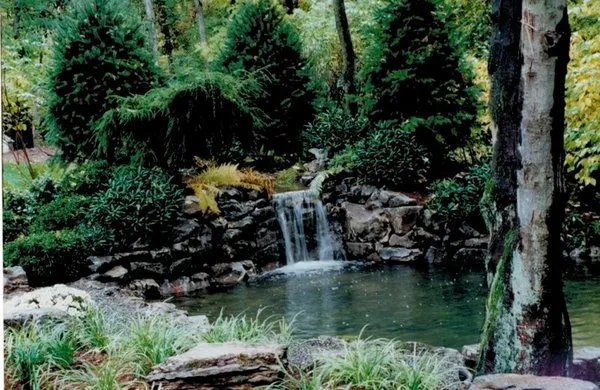
Robert Bradley Landscaping has been transforming outdoor spaces in Closter and Bergen County since 1973. With over 40 years of hands-on experience, Robert Bradley personally leads a specialized multi-...
Wood Landscapes is a trusted landscaping company serving Closter, NJ, and the surrounding areas. We specialize in addressing common local landscaping challenges faced by homeowners, such as overgrown ...
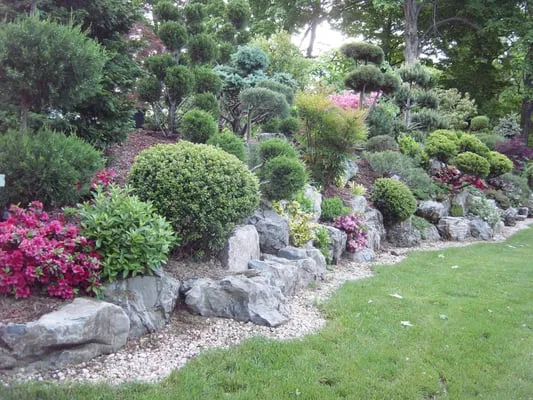
Samsung Landscape has been a trusted landscaping partner for Closter, NJ homeowners since 1999. As a fully licensed provider serving Bergen County, we specialize in comprehensive outdoor solutions tha...

Hans Landscaping
Hans Landscaping has been serving Closter, NJ, and surrounding communities since 1985 as a family-owned business specializing in comprehensive landscape solutions. With a dedicated team of full-time m...
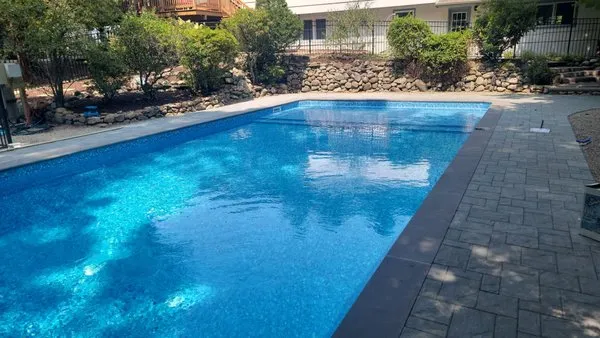
Beautiful Outdoors is a professional landscaping company based in Closter, NJ, with over 20 years of experience transforming residential and commercial properties. As a full-service business, we speci...
Crimmins James Landscaping is a trusted local landscaping company serving Closter, NJ, and surrounding areas. We specialize in addressing common residential landscaping problems that homeowners in our...
Asplint Dwain Landscape Contractors is a trusted local landscaping company serving Closter, NJ, and the surrounding areas. We specialize in comprehensive landscape maintenance and repair services tail...
Imperial Landscaping is a trusted, locally-owned landscaping company serving Closter, NJ, and the surrounding communities. We specialize in comprehensive lawn care and property maintenance solutions t...
Better Image Landscape Service is a trusted Closter, NJ-based landscaping company dedicated to solving the common local problems of mulch bed weeds and lawn fungus. We understand that these issues can...
Common Questions
Why choose bluestone over wood for Closter patios and walkways?
Bluestone pavers offer 50+ year durability with minimal maintenance compared to wood's 15-20 year lifespan requiring regular sealing and replacement. The material's natural thermal mass moderates temperature extremes in planting beds. For properties with low fire-wise ratings in urban-suburban interfaces, non-combustible hardscapes provide defensible space without creating fuel sources. Properly installed bluestone surfaces resist frost heave and maintain stability through freeze-thaw cycles common in USDA Zone 7a.
How quickly can you respond to storm damage for HOA compliance?
Emergency cleanup crews dispatch from the Closter Nature Center area via US Route 9W, reaching most Borough Center locations within 20-30 minutes during peak response times. We prioritize safety assessments before debris removal, using electric-powered equipment that complies with local noise ordinances. Documentation for insurance claims and HOA compliance is provided within 24 hours of service completion.
Why does my Closter lawn have drainage issues and poor grass growth?
Closter Borough Center properties built around 1957 have 69-year-old soil systems with acidic loam (pH 5.5-6.5) that has become compacted over decades. This soil type naturally restricts water movement and nutrient availability. Core aeration combined with organic amendments like composted leaf mold improves soil structure and microbial activity. Regular soil testing every 2-3 years helps maintain optimal pH for turf and planting beds.
What low-maintenance alternatives work with Closter's gas blower restrictions?
Replacing high-maintenance turf with native plantings like Eastern Redbud, Highbush Blueberry, Purple Coneflower, and Switchgrass reduces seasonal cleanup needs by 60-70%. These species require minimal pruning and naturally suppress weeds through competitive growth. Electric maintenance equipment operates quietly within June-September noise restrictions while providing equivalent performance. Native plant communities support local pollinators and require 75% less water than traditional lawns.
What solutions work for seasonal water table issues in Closter yards?
Moderate runoff problems in acidic loam soils require graded swales and French drain systems to redirect water away from foundations. Bluestone pavers installed with permeable jointing materials increase surface infiltration by 40-50% compared to solid surfaces. The Closter Building Department requires drainage plans showing how new hardscapes manage stormwater runoff. Dry wells connected to downspouts provide additional storage capacity during heavy rain events.
What permits and licenses are needed for grading my 0.35-acre Closter property?
The Closter Building Department requires grading permits for any excavation altering more than 100 cubic yards of soil or changing drainage patterns. Contractors must hold New Jersey Division of Consumer Affairs licensing for landscape irrigation and earthwork exceeding $500 in value. Professional engineers must certify drainage plans for properties with seasonal high water tables. Unlicensed grading can result in stop-work orders and fines up to $2,000 for violating municipal codes.
How do I control invasive plants without violating fertilizer regulations?
Japanese stiltgrass and garlic mustard are common invasive species in Closter that require targeted manual removal before seed set. Mechanical control methods avoid NJ Fertilizer Law restrictions during December-February blackout periods. Spot treatments with EPA-approved herbicides can be applied when temperatures exceed 50°F and plants are actively growing. Establishing dense native groundcovers creates competitive barriers that prevent invasive re-establishment without chemical inputs.
How do I maintain my lawn during Closter's voluntary water conservation?
Wi-Fi ET-based weather sensing irrigation systems automatically adjust watering schedules using real-time evapotranspiration data from local weather stations. This technology reduces water use by 20-30% while preserving Kentucky Bluegrass and Tall Fescue blends. Programming deep, infrequent watering cycles encourages deeper root growth and drought tolerance. Systems can be manually overridden during extended dry periods while remaining within municipal conservation guidelines.
