Top Landscaping Services in Clark, NJ, 07066 | Compare & Call
There are 187 landscaping companies server in Clark NJ
Lawn Doctor in East Brunswick, NJ, is your local expert for comprehensive lawn and landscape care, specializing in landscaping, pest control, and tree services. We help East Brunswick homeowners tackl...
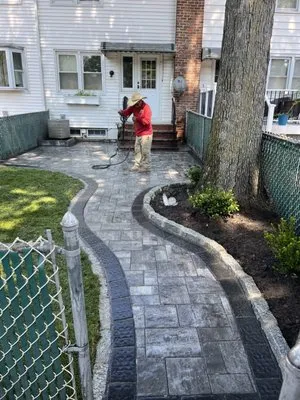
M&T Landscaping is a trusted local landscaping service based in Roselle, Union County, New Jersey. We specialize in comprehensive landscape maintenance, reliable snow removal, and professional tree ca...

Lawn Doctor of Union County is your trusted local expert in Scotch Plains, NJ, specializing in comprehensive lawn care and pest control services. We understand the unique challenges homeowners face in...

Calabrese Landscaping is a Scotch Plains, NJ-based landscaping company serving Union County with reliable residential and commercial services. Specializing in shrub care, landscape maintenance, and mu...
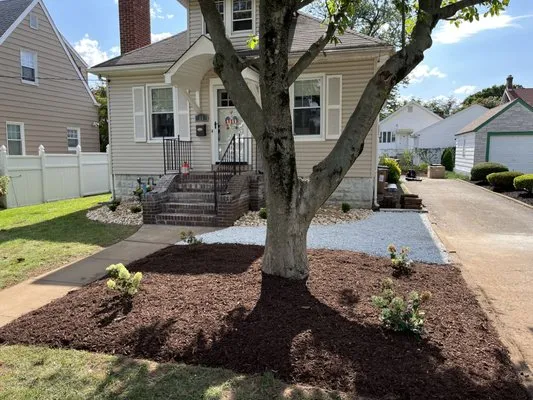
Robert Thieling Landscaping LLC has been serving Cranford, NJ, and surrounding communities for over 8 years, building a reputation for reliability and affordability in lawn and gutter services. As a l...
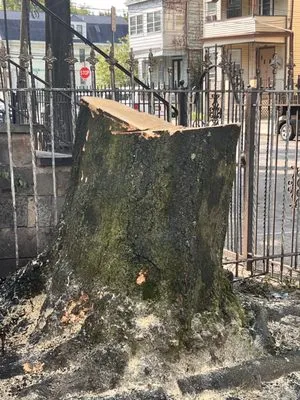
Jack 'N All Trades is your trusted local landscaping and tree service provider in Piscataway, NJ, offering comprehensive outdoor solutions for residential and commercial properties. We specialize in g...
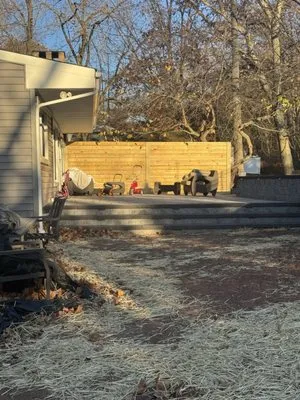
Custom Hardscapes in Piscataway Township, NJ, is a locally owned and operated company dedicated to transforming outdoor living spaces. We specialize in the design and construction of durable, custom h...
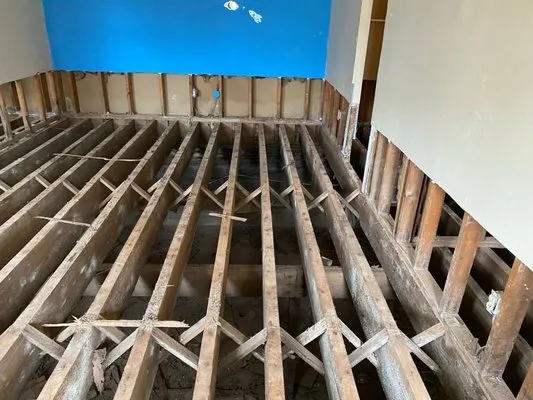
Modern Upgrade is a Piscataway-based home services contractor dedicated to transforming outdoor and structural spaces. We specialize in a comprehensive range of services, from foundational excavation ...
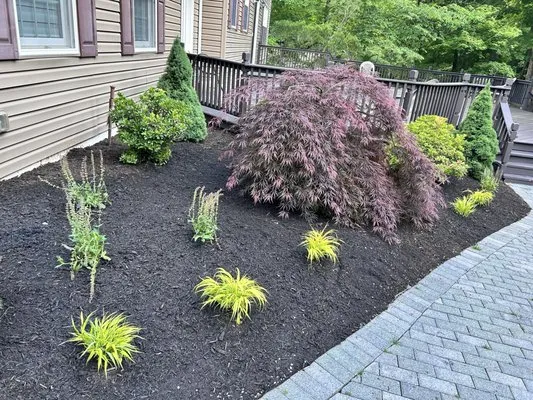
Parker Landscape Design
Parker Landscape Design in Warren, NJ, is a family-owned business built on a legacy of landscape excellence in New Jersey since 1948. We specialize in creating beautiful, functional outdoor spaces for...
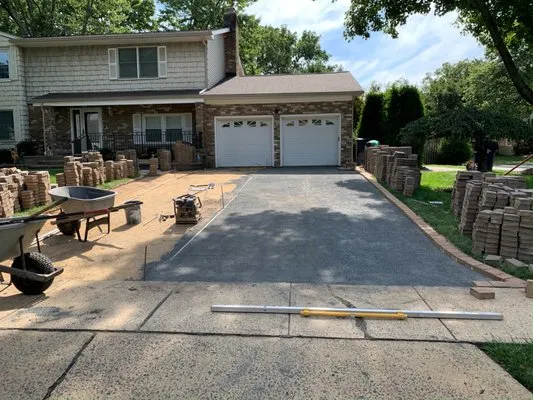
C&S Landscape & Construction is a Somerset-based landscaping and construction company founded in 2022, bringing over 20 years of combined experience to every project. We specialize in creating and mai...
Estimated Landscaping Service Costs in Clark, NJ
Questions and Answers
Why does my Clark Center lawn struggle despite regular care?
Clark Center properties built around 1961 have 65-year-old soil profiles with acidic silt loam that has become compacted over decades. This soil type naturally tends to pH 5.5-6.5, which limits nutrient availability for turf grasses. Core aeration every 2-3 years improves oxygen exchange and water infiltration through the clay-heavy subsoil. Adding organic amendments like composted leaf mold increases microbial activity and cation exchange capacity in these mature landscapes.
How do I manage invasive species safely?
Japanese stiltgrass and garlic mustard present the highest invasive risks in Clark's acidic soils, spreading rapidly through seed banks and root systems. Manual removal before seed set combined with targeted spot treatments using NJ Fertilizer Law-compliant products avoids buffer zone violations. Treatment timing avoids blackout dates when fertilizer applications are prohibited, while soil testing ensures any amendments address specific nutrient deficiencies without exceeding N-P-K restrictions.
What solutions address runoff issues in my yard?
Moderate runoff in Clark's clay-heavy subsoil requires permeability-focused solutions. Installing permeable concrete pavers or bluestone with open-graded aggregate bases allows 3-5 inches per hour infiltration rates, meeting Clark Township Engineering Department runoff standards. French drains with clean washed stone and geotextile fabric redirect subsurface water, while rain gardens planted with moisture-tolerant natives create natural infiltration basins that handle typical storm events.
Can I maintain healthy turf while following water restrictions?
Wi-Fi ET-based weather sensing irrigation systems automatically adjust watering schedules using real-time evapotranspiration data from local weather stations. This technology reduces water usage by 20-30% compared to traditional timers while maintaining Kentucky Bluegrass and Tall Fescue blends during Clark's Stage 1 voluntary conservation periods. The system calculates precise run times based on soil moisture sensors, preventing overwatering that leads to fungal issues in our humid climate.
What permits and licenses does grading work require?
Grading on 0.25-acre Clark lots requires Clark Township Engineering/Zoning Department permits for any cut/fill exceeding 100 cubic yards or grade changes over 2 feet. Contractors must hold New Jersey Division of Consumer Affairs home improvement registration with specific endorsements for earth moving. Licensed professionals carry insurance covering subsurface utility strikes and understand NJ soil erosion control standards that mandate stabilization within 14 days of disturbance.
How quickly can you respond to storm damage for HOA compliance?
Emergency cleanup crews dispatch from Clark Commons via the Garden State Parkway, reaching most Clark Center properties within 20-30 minutes during peak response scenarios. Our electric equipment fleet operates within Clark's 7 AM to 8 PM weekday noise ordinance restrictions for gas-powered equipment. We prioritize safety assessments first, then implement debris management protocols that meet township engineering standards for public right-of-way clearance.
Are concrete pavers better than wood for patio materials?
Concrete pavers and bluestone offer 30+ year lifespans versus wood's 10-15 year expectancy in our freeze-thaw climate. These non-combustible materials contribute to Clark's low Fire Wise rating by creating defensible space around structures without adding fuel loads. Properly installed with polymeric sand joints, they resist frost heave and weed penetration while providing stable surfaces that meet ADA accessibility guidelines for residential applications.
What landscape changes reduce maintenance and noise?
Replacing high-maintenance turf areas with Eastern Redbud, Butterfly Milkweed, New England Aster, and Little Bluestem creates resilient native plant communities that require minimal inputs. These species support local pollinators while eliminating weekly mowing and gas-powered equipment use ahead of tightening noise ordinances. Established native plantings need only seasonal pruning and naturally suppress weeds through competitive growth patterns adapted to USDA Zone 7a conditions.
