Top Landscaping Services in Brownville, NJ, 08857 | Compare & Call
There are 185 landscaping companies server in Brownville NJ
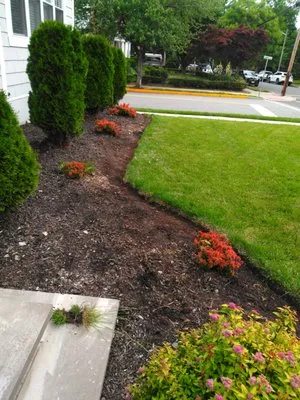
At & L Strategic in Orange, NJ, is a locally owned and operated business with deep roots in the community. For over 20 years, the owner has cultivated a passion for landscaping, starting with guidance...
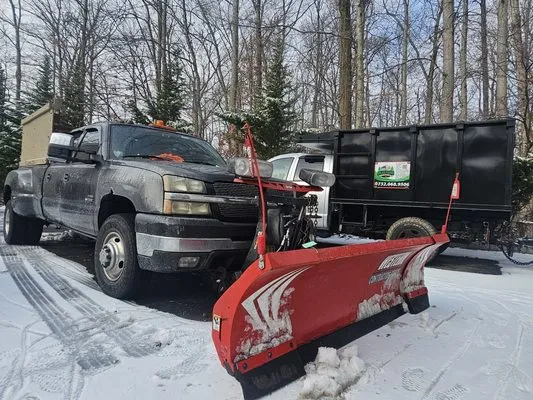
Quintero Landscaping serves New Brunswick, NJ, providing comprehensive outdoor solutions across landscaping, junk removal, and tree services. We specialize in cleanups, lawn mowing, tree trimming, pru...
Benites Landscaping has been serving Howell, NJ, and surrounding communities for over 15 years, providing reliable, high-quality landscaping and tree services. We specialize in a wide range of service...
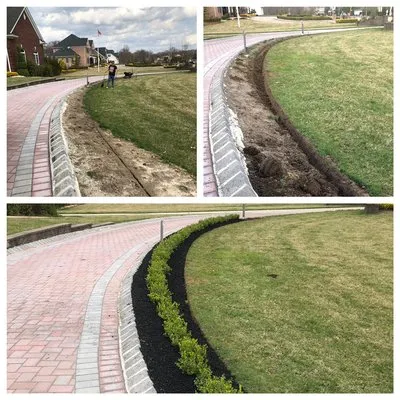
Everest Lawn Service is a family-owned and operated business serving Monroe Township and the surrounding area since the early 1990s. Founded by a Rider University graduate and licensed pesticide appli...
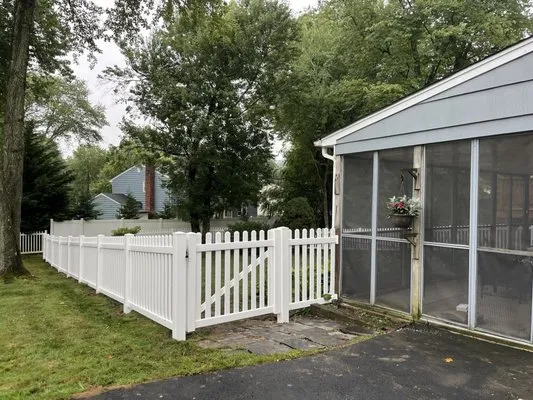
Great Escape LLC is a licensed landscaping and fencing contractor serving Cranford, NJ, with over 15 years of local experience. Founded by an owner passionate about quality work and helping neighbors,...
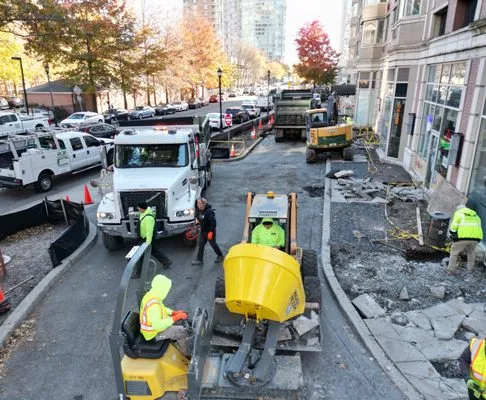
DCR Companies is a family-owned construction firm serving Metuchen, NJ, and surrounding areas since 1989. Specializing in landscaping, snow removal, and masonry/concrete work, we provide reliable solu...
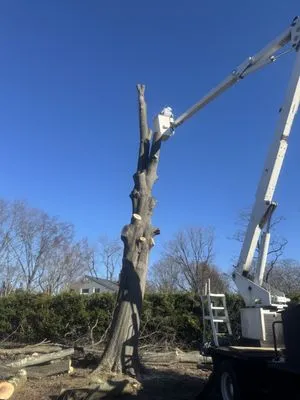
For over 15 years, Garcia & Sons Landscaping has been a trusted partner for homeowners in Tinton Falls, NJ, transforming outdoor spaces with integrity and skill. As a local, family-operated business, ...

Country Club Lawns is a trusted lawn and tree care provider serving Edison, NJ, and surrounding Middlesex and Union counties since 1991. Founded by Brian, who brings over 40 years of experience in the...
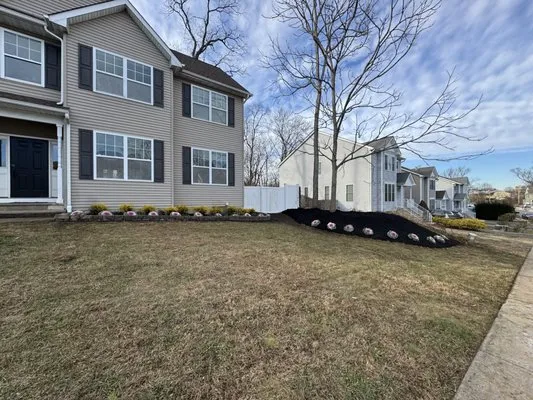
R&M Landscape & Design
R&M Landscape & Design is a locally owned and operated landscaping company serving Lakewood, NJ, and surrounding Ocean and Monmouth Counties. Founded with a vision to transform outdoor spaces into bea...
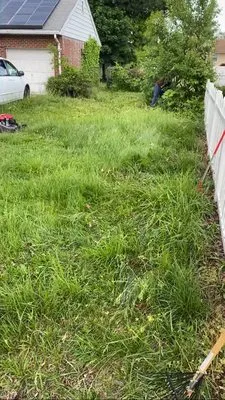
C-ROC City Lawn Service is a locally owned and operated landscaping company serving residential and commercial clients throughout Edison and Middlesex County, NJ. With expertise in lawn care, tree ser...
Estimated Landscaping Service Costs in Brownville, NJ
Question Answers
What's the safest way to control invasive species without harming my garden?
Manual removal followed by targeted organic herbicides prevents Japanese stiltgrass and garlic mustard establishment while complying with NJ Fertilizer Law restrictions. Treatment timing avoids nitrogen application blackout dates from November 15th to March 1st. Soil testing determines specific nutrient needs before any amendment application. Regular monitoring catches invasions early when control is most effective and least disruptive.
Why does my Downtown Brownville lawn struggle despite regular care?
Properties built around 1983 have soil that has matured for over 40 years, leading to compaction in acidic sandy loam. This soil type naturally develops poor structure over time, reducing water infiltration and root penetration. Core aeration with organic amendments like composted leaf mold addresses compaction while maintaining the pH 6.2 balance. Regular soil testing every 2-3 years monitors nutrient availability and organic matter content.
How can I reduce lawn maintenance while supporting local ecology?
Replacing high-maintenance turf with native plantings like Eastern Redbud, Switchgrass, Butterfly Milkweed, and New England Aster creates habitat while reducing water and chemical inputs. These species thrive in USDA Zone 7a conditions with minimal irrigation once established. Transitioning to electric maintenance equipment future-proofs your property against tightening noise ordinances. Native landscapes typically require 75% less maintenance than conventional lawns.
Are permeable clay pavers better than wood decking for longevity and safety?
Permeable clay pavers maintain structural integrity for 25+ years with minimal maintenance, unlike wood that requires regular sealing and replacement. Their non-combustible nature supports defensible space requirements in Low Fire Wise Rating urban interface zones. Proper installation creates stable surfaces that resist frost heave in Zone 7a winters. The modular design allows for easy repair of individual units if damage occurs.
How quickly can you respond to an emergency tree cleanup after a storm?
Our electric fleet dispatches from Brownville Town Square within 25-35 minutes during peak conditions, using Route 130 for efficient access. This rapid response meets HOA compliance deadlines while adhering to gas-powered equipment noise restrictions. We prioritize safety assessments before debris removal to prevent property damage. All storm responses follow NJDEP stormwater management protocols.
What permits and licenses are needed for regrading my 0.22-acre property?
The Brownville Planning & Zoning Department requires grading permits for any elevation changes exceeding 6 inches, with engineered plans for slopes over 15%. New Jersey State Board of Landscape Architects licensing ensures professionals understand soil mechanics and drainage requirements specific to sandy loam conditions. Erosion control measures must be implemented before work begins, with regular inspections during construction. Proper documentation prevents future liability issues related to water diversion.
What solutions prevent basement flooding in areas with seasonal high water tables?
Permeable clay pavers installed with proper base materials increase surface infiltration rates by 80-90% compared to conventional pavements. This addresses moderate runoff issues common in Downtown's sandy loam soils while meeting Brownville Planning & Zoning Department stormwater requirements. French drains connected to dry wells provide additional subsurface drainage capacity. All installations include geotextile fabric to prevent soil migration.
Will my Tall Fescue survive Brownville's Stage 1 water restrictions?
Wi-Fi ET-based weather sensing irrigation automatically adjusts watering schedules using real-time evapotranspiration data. This technology reduces water use by 20-30% while maintaining turf health during drought conditions. Programming deep, infrequent watering cycles encourages deeper root growth in sandy loam soils. The system complies with municipal conservation measures by avoiding irrigation during peak demand hours.
