Top Landscaping Services in Brielle, NJ, 08730 | Compare & Call
There are 179 landscaping companies server in Brielle NJ
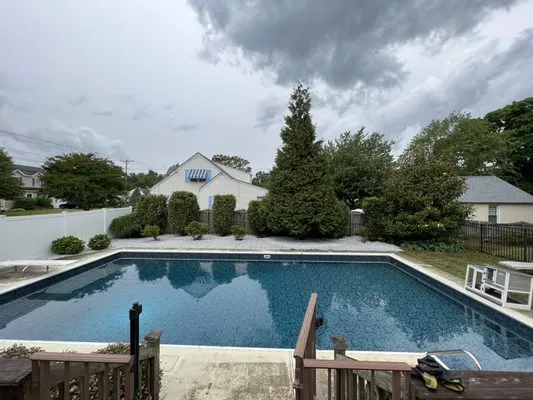
Shore Disposal is a comprehensive Point Pleasant, NJ, service provider specializing in junk removal, handyman tasks, and professional landscaping. We help local homeowners tackle common yard issues li...
Lawn Doctor in Point Pleasant, NJ is a trusted local provider of landscaping, pest control, and tree services dedicated to helping homeowners maintain beautiful, healthy outdoor spaces. We specialize ...
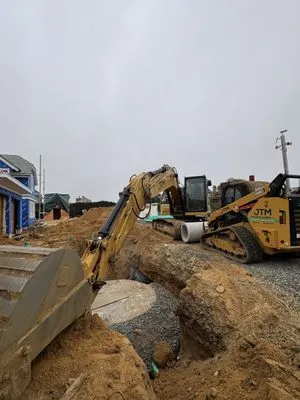
JTM Site Development is a Point Pleasant-based excavation and landscaping contractor serving the local community. We specialize in solving foundational outdoor problems common to the area, such as poo...

Grass Monkey Lawn Care is your trusted local lawn care expert in Point Pleasant, NJ. We specialize in comprehensive lawn care services designed to tackle common local issues like irrigation timer fail...
East Coast Land Care is a trusted landscaping and masonry contractor serving Point Pleasant Boro and the surrounding Jersey Shore area. We specialize in solving the common local lawn problems of dead ...
Land Pro Group
Land Pro Group is a trusted landscaping company serving Point Pleasant Beach, NJ, specializing in landscape design, pressure washing, and landscape architecture. We help local homeowners tackle common...
All Seasons Turf Management is Brick, NJ's trusted partner for creating and maintaining a beautiful, resilient yard. We specialize in both natural lawn care and high-performance artificial turf system...
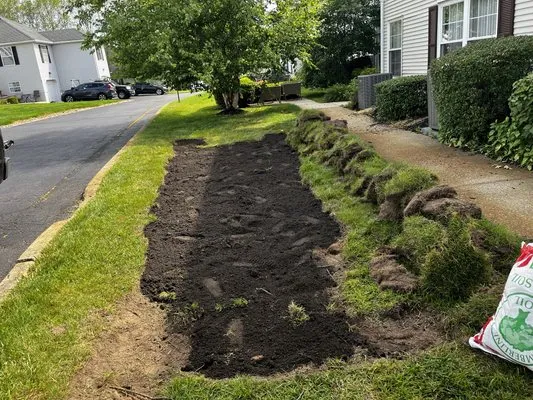
Lively Lawn Care is your trusted local partner for maintaining a beautiful, resilient landscape in Seaside Heights, NJ. We understand the unique challenges homeowners face here, from irrigation timer ...
Cymru Lawn Sprinklers is your local Manasquan expert for a greener, healthier yard. We specialize in addressing the common local landscaping challenges homeowners face, such as persistent yard drainag...
Estimated Landscaping Service Costs in Brielle, NJ
Common Questions
What are low-maintenance alternatives to my lawn that can handle future restrictions?
Transitioning sections of high-maintenance turf to a xeriscape of native plants is a forward-thinking strategy. Species like Coastal Panic Grass, Beach Plum, Butterfly Milkweed, and New England Aster are adapted to local soils, require minimal water once established, and provide critical habitat. This reduces mowing frequency and dependency on gas-powered equipment, positioning your landscape ahead of evolving noise ordinances and conservation mandates.
My yard pools water after heavy rain. What's a long-term solution for our high water table?
Coastal tidal inundation and a high water table are common challenges with sandy loam soils in Brielle. A graded swale or dry creek bed can direct surface water away from foundations. For hardscape areas, replacing impervious surfaces with permeable concrete pavers significantly increases ground infiltration. These solutions manage runoff on-site, which is increasingly important for meeting the Brielle Borough Planning & Zoning Department's standards for stormwater management.
Are permeable pavers a better choice than wood for a new patio?
For longevity and performance in our coastal climate, permeable concrete pavers are superior to wood. They resist rot, insect damage, and salt air corrosion, offering a decades-long service life with minimal upkeep. Their permeability reduces local flooding risk. While Brielle has a Low Fire Wise rating, the non-combustible nature of pavers also contributes to defensible space, a consideration for any landscape material selection.
Why does my soil in Brielle Center feel so compacted and lifeless?
Properties in this neighborhood, developed around 1967, have soils that are nearly 60 years old. The native sandy loam has likely lost its structure due to decades of foot traffic and conventional lawn care, leading to reduced permeability and a lack of organic matter. Core aeration in early spring or fall, followed by top-dressing with compost, is critical to reintroduce air, water, and microbial life to the soil profile. This directly addresses the common pH range of 5.5-6.5 by improving nutrient availability for your turf and plantings.
How quickly can you respond to an emergency storm cleanup to meet HOA deadlines?
Our standard storm response protocol for Brielle Center allows for a 20-30 minute dispatch during peak events. The route from our staging area at Brielle Park via NJ Route 35 is optimized for quick access to most properties in the borough. We coordinate with municipal services to clear fallen limbs and debris, prioritizing safety and restoring property access to ensure compliance with local ordinances and HOA covenants.
What permits and credentials should I verify before hiring for a regrading project?
Any significant regrading on a 0.35-acre lot likely requires a permit from the Brielle Borough Planning & Zoning Department to ensure proper drainage and compliance with codes. Crucially, verify the contractor holds appropriate licensing through the New Jersey Division of Consumer Affairs. This state-level licensing ensures they carry required insurance and have proven competency, which is essential for work that alters your property's drainage and structural integrity.
Is it possible to have a green Tall Fescue lawn under Brielle's voluntary water conservation rules?
Yes, using Wi-Fi ET-based weather-sensing irrigation technology is the most effective method. This system automatically adjusts watering schedules based on real-time evapotranspiration data, soil moisture, and local rainfall. It applies water only when and where your Tall Fescue needs it, often reducing usage by 20-40% compared to traditional timers. This precision allows you to maintain turf health while actively participating in the Stage 1 voluntary conservation effort.
How do I control invasive weeds like mugwort or Japanese stiltgrass safely here?
For invasive species, mechanical removal before seed set is the primary defense. Spot-treating persistent perennials with a targeted, EPA-registered herbicide may be necessary, but application must strictly follow the NJ Fertilizer Law. This law prohibits phosphorus application and restricts nitrogen use outside of designated seasonal windows, so treatment plans must avoid these blackout dates to remain compliant and protect local waterways.
