Top Landscaping Services in Brass Castle, NJ, 07882 | Compare & Call

There are 118 landscaping companies server in Brass Castle NJ
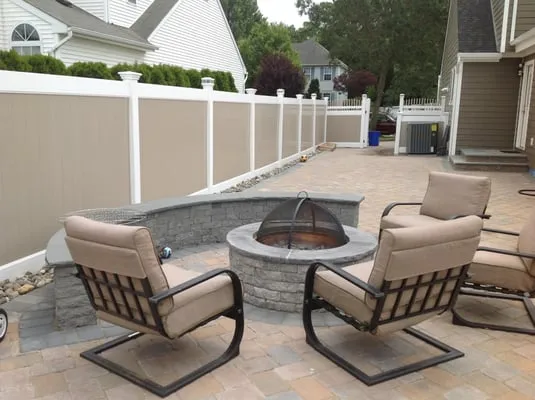
Sanchez Landscaping is a trusted, family-owned landscaping company serving Jamesburg and the surrounding communities since 2002. Founded on a commitment to quality and customer service, we've grown fr...
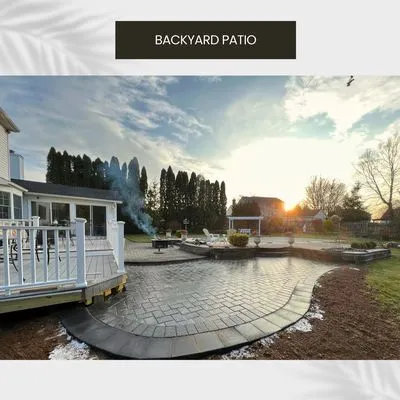
Backyard Bro's is a Union City-based landscaping and hardscaping company dedicated to transforming outdoor spaces across New Jersey. As a local team from Union County, we specialize in creating custom...
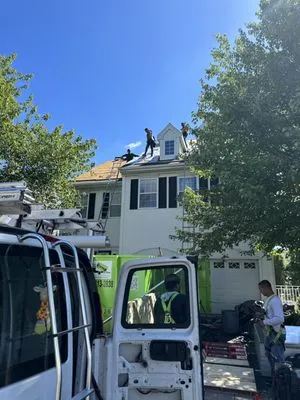
MKS Home Remodels is a trusted, full-service contracting company serving Hillsborough Township and the surrounding New Jersey area. Founded on the principle of delivering superior craftsmanship at acc...

Organic Dutchman is a Clinton, NJ-based landscaping company founded in 1987 by a Dutch immigrant who brought organic gardening knowledge from Holland. Starting with just $500 and a passion for natural...
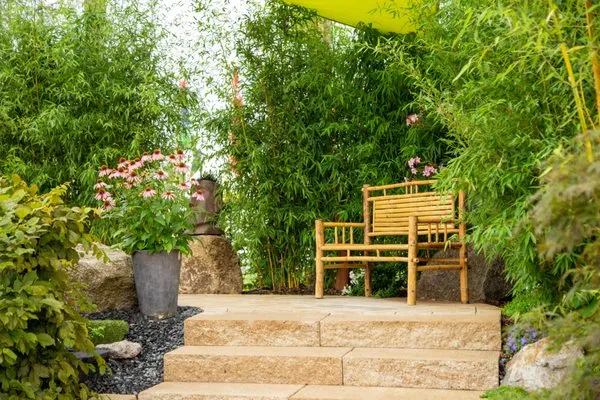
Artistic Bamboo
Artistic Bamboo in Edison, NJ, specializes in creating beautiful, sustainable bamboo landscapes. Founded from a personal passion for bamboo, we started by installing our own backyard hedge when local ...
Vijebra Construction
Vijebra Construction LLC is a trusted local contractor serving Elizabeth, NJ, with comprehensive expertise in landscaping, fencing, and masonry. We specialize in transforming outdoor spaces through ea...
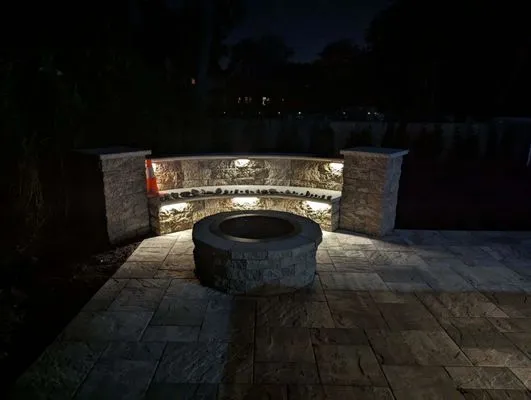
The Contractors Group is a family-owned and operated construction business proudly serving Westfield, NJ, and the surrounding communities. Founded and led by Jose Calle, our team is built on a foundat...
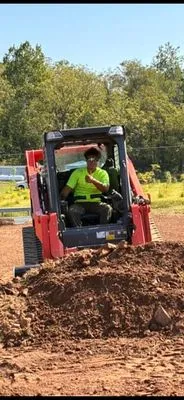
JHMC Maintenance is a family-owned and operated business proudly serving Bridgewater, NJ, and the surrounding communities. Founded in 2004 with a focus on reliable lawn care, we have grown over two de...
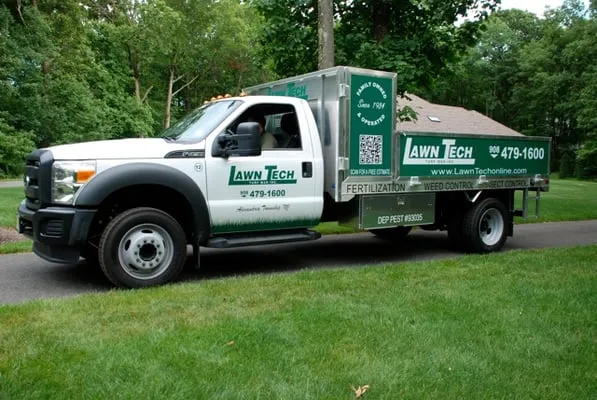
Lawn Tech is a family-owned lawn care service that has been serving Milford, NJ, since 1984. With over 30 years of experience, I am proud to continue our legacy as a second-generation lawn care profes...
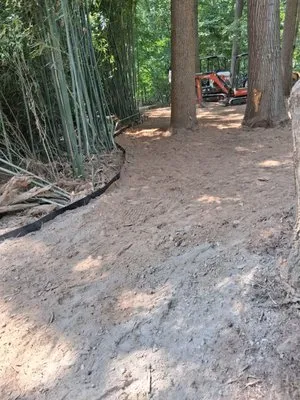
New Jersey Bamboo Landscaping is a specialized service in Chester, NJ, dedicated exclusively to bamboo. Founded by CEO Alex, a leading local expert, the company was created to meet the specific need i...
Estimated Landscaping Service Costs in Brass Castle, NJ
Common Questions
Are bluestone pavers worth the investment compared to wood decking in Brass Castle?
Bluestone pavers offer superior longevity with 50+ year lifespans versus wood's 15-25 year replacement cycle in Zone 6b freeze-thaw conditions. Their non-combustible nature contributes to defensible space requirements for Brass Castle's Moderate Fire Wise rating. Properly installed bluestone systems maintain permeability for drainage while providing stable surfaces resistant to frost heave and seasonal moisture fluctuations.
What invasive species should Brass Castle homeowners monitor and how should they respond?
Japanese stiltgrass and garlic mustard present significant invasive risks in USDA Zone 6b acidic soils. Manual removal before seed set combined with targeted organic herbicides during growing seasons provides effective control. All treatments must comply with NJ Fertilizer Law blackout dates from December 1 through March 1, with phosphorus applications requiring documented soil test deficiencies from certified laboratories.
How quickly can you respond to storm damage for HOA compliance in Brass Castle?
Emergency cleanup crews dispatch from Brass Castle Elementary School via Route 57, maintaining 25-35 minute response times during peak storm events. This routing prioritizes access to Brass Castle Village while accounting for seasonal traffic patterns. Crews coordinate with local authorities to address immediate safety hazards and HOA compliance requirements within the first operational window.
What permits and licenses are required for grading work on my 0.75-acre Brass Castle property?
Washington Township Planning & Zoning Department requires grading permits for any earth movement exceeding 100 cubic yards on 0.75-acre lots. Contractors must hold New Jersey Division of Consumer Affairs - Home Improvement Contractor licensing with specific endorsements for excavation and drainage work. These requirements ensure proper erosion control during construction and long-term compliance with municipal stormwater management regulations.
Can I maintain healthy turf while following Brass Castle's water conservation guidelines?
Wi-Fi ET-based weather sensing irrigation systems precisely match Kentucky Bluegrass and Fine Fescue blend water needs to actual evapotranspiration rates. These systems automatically adjust for rainfall, humidity, and temperature while staying within voluntary conservation parameters. This technology reduces water use 20-30% compared to traditional timers while maintaining turf health during Brass Castle's normal water restriction status.
What solutions address seasonal water table issues in my Brass Castle yard?
Acidic channery loam's moderate runoff characteristics combine with seasonal high water tables to create drainage challenges. Installing permeable bluestone paver systems with gravel bases increases infiltration rates while meeting Washington Township Planning & Zoning Department runoff standards. French drains connected to dry wells provide additional capacity for managing spring thaw and heavy rain events common in USDA Zone 6b.
Why does my Brass Castle lawn struggle with compaction and poor drainage despite regular care?
Brass Castle Village properties average 64 years of development since 1962 construction, creating mature but compacted acidic channery loam soil. This soil type naturally has pH 5.5-6.2 and develops poor permeability over decades without intervention. Core aeration with organic compost amendments improves soil structure and microbial activity, addressing the legacy compaction common throughout the neighborhood.
How can I reduce lawn maintenance while preparing for electric equipment requirements?
Replacing high-maintenance turf areas with Eastern Redbud, Butterfly Weed, Virginia Creeper, and Switchgrass natives creates resilient landscapes requiring minimal intervention. These native plantings support local pollinators while reducing mowing frequency and eliminating gas-powered blower use during restricted hours. This approach aligns with emerging electric fleet transitions and 2026 biodiversity standards for the Wildland-Urban Interface.
