Top Landscaping Services in Bound Brook, NJ, 08805 | Compare & Call
There are 178 landscaping companies server in Bound Brook NJ
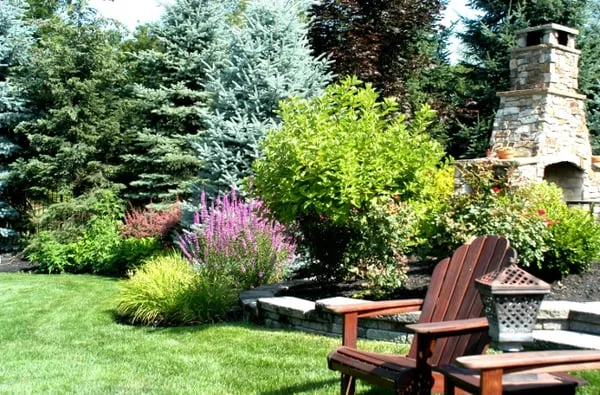
High Tech Landscapes in Branchburg, NJ, is a full-service landscape contractor founded in 1986 by owner Paul, who started the business with his father's truck and lawn mower. With over 300 employees, ...
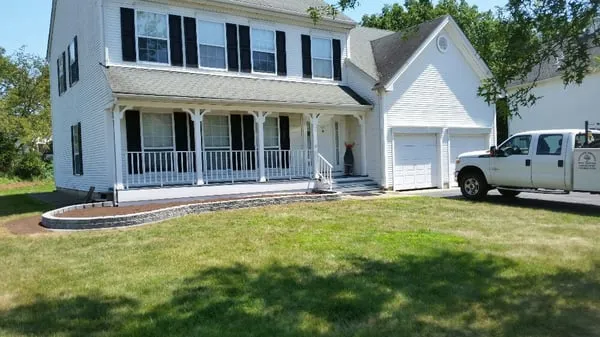
Outdoor Services Tree Service, founded and operated by a former US Marine in Piscataway, NJ, is built on over 45 years of community trust and 35 years of hands-on arboriculture experience. Starting as...
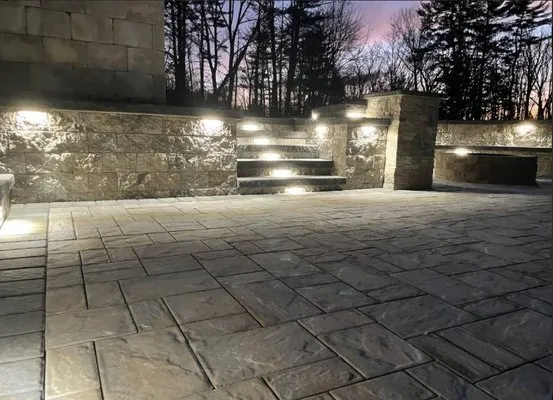
Luna Landscaping is a professional landscaping and hardscaping contractor serving Plainfield, NJ, and the surrounding communities. Founded in 2010, our team combines over 23 years of hands-on experien...
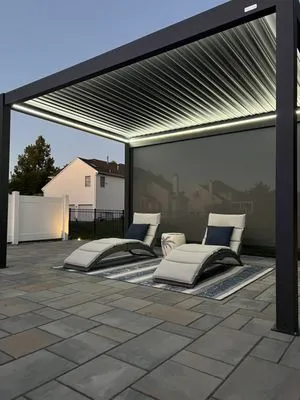
Based in Upper Freehold, NJ, J R Scapes is your local expert for masonry, concrete, snow removal, and comprehensive landscaping services. We specialize in solving common regional issues like poor yard...
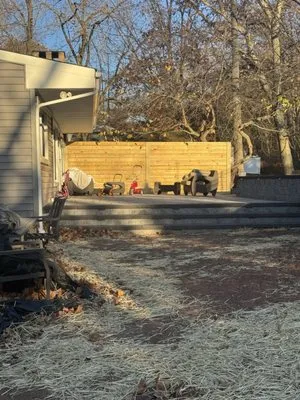
Custom Hardscapes in Piscataway Township, NJ, is a locally owned and operated company dedicated to transforming outdoor living spaces. We specialize in the design and construction of durable, custom h...
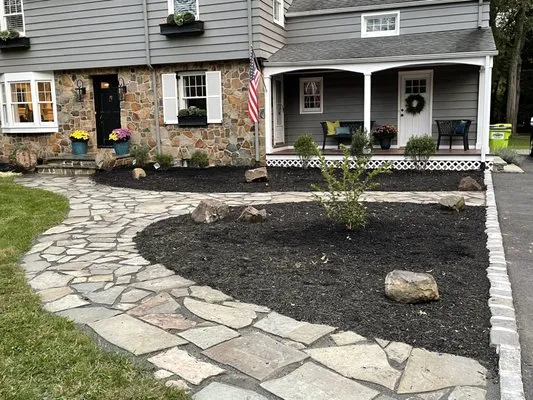
High Point Landscaping is a locally owned and operated landscaping company serving Middlesex, NJ, and the surrounding communities. We provide comprehensive property care, from routine lawn maintenance...

Sami's Tree Service is a licensed, full-service arborist and landscape contractor serving Middlesex and Central New Jersey. We provide comprehensive tree care, from expert pruning and safe removal to ...
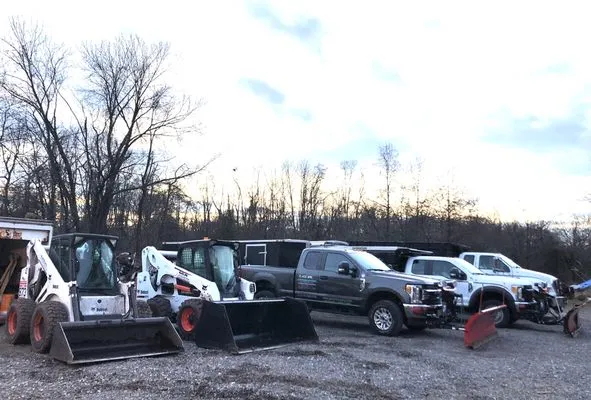
G A Landscaping
G A Landscaping has been serving Somerset and Middlesex Counties since 2000, founded by Gabriel Asuncion who brings over three decades of landscaping experience. As a fully licensed and insured NJ com...
A Brighter Night is your trusted local lighting and landscaping specialist in Piscataway, NJ. We specialize in electrical installations, repairs, and light fixture services to enhance both your home's...
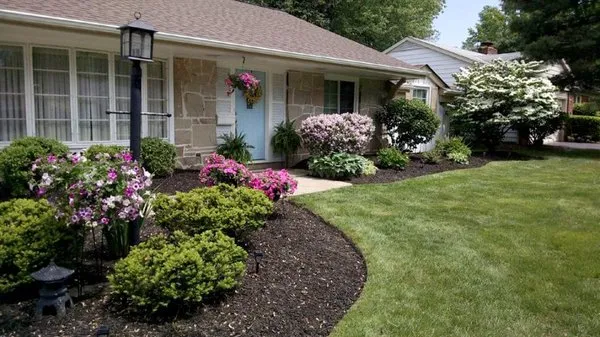
PCC Landscapes is a Middlesex, NJ-based family business with deep roots in the community, founded by Pablo Cuquej and his son Pedro. With 19 years of combined experience that began when Pedro started ...
Estimated Landscaping Service Costs in Bound Brook, NJ
Questions and Answers
What solutions prevent basement flooding in Bound Brook's high-risk riparian zones?
Permeable concrete pavers installed with 6-8 inches of open-graded aggregate base create subsurface storage capacity for stormwater. This system addresses silt loam's slow permeability by allowing 3-5 inches per hour infiltration rates, exceeding Bound Brook Building & Zoning Department runoff requirements. French drains connected to dry wells provide secondary protection during saturation events common in floodplain-adjacent properties.
Why does my Downtown Bound Brook lawn struggle with compaction and poor drainage?
Properties in Downtown Bound Brook built around 1954 have acidic silt loam soils that have matured for 72 years. This extended timeframe allows fine silt particles to settle and reduce soil percolation rates. Core aeration with organic amendments like composted leaf mold addresses compaction while maintaining the optimal pH 6.2-6.5 range for nutrient availability. Regular soil testing every 2-3 years monitors cation exchange capacity in these established landscapes.
Why choose permeable pavers over wood decking for our backyard renovation?
Permeable concrete pavers maintain structural integrity for 25+ years without wood's decay susceptibility in humid Zone 7a conditions. Their non-combustible nature supports Moderate Fire Wise ratings by creating defensible space around structures. Installation over geotextile fabric and aggregate base prevents weed penetration while managing the 0.15-acre lot's stormwater through natural infiltration rather than impervious runoff.
How quickly can you respond to storm damage for HOA compliance in our neighborhood?
Emergency cleanup crews dispatch from Billian Legion Park via I-287, maintaining 20-30 minute response times during peak storm events. This routing prioritizes arterial access to Downtown Bound Brook properties while accounting for traffic variables. Crews coordinate with municipal services to clear debris blocking drainage infrastructure first, followed by tree limb removal and turf restoration protocols.
Can smart irrigation systems maintain turf health during Bound Brook's water monitoring periods?
Wi-Fi ET-based weather sensing irrigation calculates evapotranspiration rates using local microclimate data from NJDEP monitoring stations. These systems adjust Tall Fescue and Kentucky Bluegrass watering schedules to deliver 1-1.5 inches weekly during active growth phases. Programming follows NJ Water Supply Authority guidelines while preventing drought stress through deep, infrequent watering cycles that encourage root development below the thatch layer.
How can we reduce maintenance while preparing for electric equipment mandates?
Transitioning turf areas to Purple Coneflower, Butterfly Milkweed, Little Bluestem, and New England Aster plantings eliminates weekly mowing and gas-powered equipment dependencies. These USDA Zone 7a natives establish deep root systems that require no irrigation after establishment, aligning with evolving noise ordinance restrictions. Mycorrhizae inoculants boost establishment rates while creating pollinator corridors that support 2026 biodiversity standards.
What permits and licenses are required for grading work on our Bound Brook property?
The Bound Brook Building & Zoning Department requires grading permits for any elevation changes exceeding 6 inches on 0.15-acre lots. Contractors must hold New Jersey Division of Consumer Affairs Home Improvement Contractor licensing with specific endorsements for earth moving. This ensures proper erosion control during silt loam disturbance and compliance with NJDEP stormwater regulations. Unlicensed grading risks fines up to $10,000 for violating soil disturbance ordinances.
What invasive species threaten Bound Brook landscapes, and how do we treat them safely?
Japanese stiltgrass and garlic mustard present primary invasion risks in acidic silt loam soils. Manual removal before seed set combined with targeted glyphosate applications during active growth phases controls spread without violating NJ Fertilizer Law blackout dates. Treatment windows occur between March 15 and November 14, avoiding nitrogen/phosphorus application restrictions. Regular monitoring of Billian Legion Park adjacent areas provides early detection opportunities.
