Top Landscaping Services in Wilton, NH, 03086 | Compare & Call

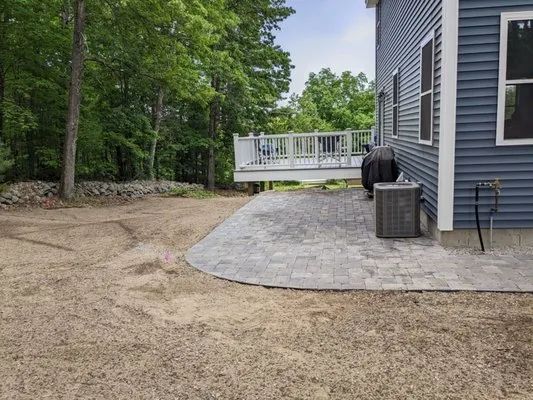
Kilgore Landscapes is a trusted local landscaping company serving Wilton, NH, and the surrounding Monadnock Region. Wilton homeowners often face common yard challenges, such as frustrating sprinkler l...
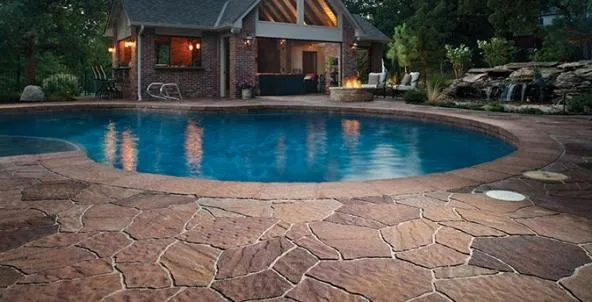
DJL Property Enhancements in Wilton, NH, is your local, full-service partner for outdoor living and property improvement. We specialize in expert deck construction, durable fence installation, and com...

Greeley Farms Landscaping
Greeley Farms Landscaping has been a trusted name in Wilton, NH, for years, providing comprehensive landscaping, snow removal, and masonry/concrete services. We specialize in landscape design, install...
Better View Landscaping & Excavation is a trusted local contractor serving Wilton, NH, and surrounding areas. We specialize in professional excavation and trench digging services, providing reliable s...
Common Questions
My yard is soggy in spring and heaves in winter. What's the solution?
This is a classic symptom of the high seasonal water table and frost heave hazard in Wilton's fine sandy loam. The soil has low permeability when compacted. Installing subsurface French drains paired with permeable patios of local granite or bluestone creates positive drainage. This system manages runoff on-site, which is a key consideration for the Wilton Planning Board, and protects foundations from freeze-thaw cycles.
Can I have a green lawn under voluntary water conservation?
Yes. Soil moisture sensor-based drip irrigation systems are the standard for efficient water use. These systems apply water directly to the root zone of Kentucky Bluegrass and Perennial Ryegrass mixes, minimizing evaporation and runoff. By irrigating only when soil moisture drops below a predetermined threshold, you maintain turf health while adhering to municipal conservation guidelines and respecting the local water table.
Is there a lower-maintenance alternative to my weekly-mowed lawn?
Replacing high-input turf with a biodiverse planting of natives like Common Milkweed, New England Aster, and Joe-Pye Weed significantly reduces maintenance. These deep-rooted plants require no fertilizer, less water, and provide critical habitat. This transition also future-proofs your property against evolving noise ordinances that may further restrict gas-powered mowers and blowers.
Are bluestone patios better than wood decks for our area?
Local granite and bluestone offer superior longevity and require minimal maintenance compared to wood, which decays in our humid climate. From a fire mitigation perspective, non-combustible stone is the recommended material for creating defensible space in Wilton's Moderate Wildland-Urban Interface rating zone. A properly installed stone patio also enhances permeability, aiding in stormwater management.
How fast can you respond for an emergency storm cleanup to meet HOA deadlines?
For urgent compliance work, our electric fleet is dispatched from the Wilton Town Hall Theatre area. Taking NH-101 allows a peak response time of 20-30 minutes to most Wilton Center properties. We prioritize safety and debris removal with battery-powered equipment that operates within the 9 PM to 7 AM quiet hours, ensuring immediate action without ordinance violations.
What invasive species should I watch for, and how do I control them?
Japanese knotweed and garlic mustard are prevalent threats in Zone 5b. Manual removal for small infestations or targeted, professional-grade herbicide application for larger ones is required. Any treatment must comply with New Hampshire's statewide phosphorus restriction and proper N-P-K labeling for turf. Timing applications outside of peak growing seasons prevents harm to non-target species and protects the acidic soil biology.
What permits and credentials are needed for regrading my 0.75-acre lot?
Significant earthwork on a property of this size typically requires a permit from the Wilton Planning Board to ensure compliance with erosion and sedimentation controls. The contractor must be registered with the NH Secretary of State. For complex grading that affects drainage patterns or structural integrity, hiring a professional licensed through the New Hampshire Landscape Association ensures the work meets engineering and horticultural standards.
Why does my soil in Wilton Center seem so compacted and acidic?
Homes built around 1938, like many in this neighborhood, have had nearly 90 years of soil maturation without systematic amendment. The native acidic fine sandy loam becomes dense and nutrient-deficient over decades. Annual core aeration and the addition of composted organic matter are essential to improve soil structure, correct pH toward 6.5, and support healthy root systems for your existing landscape.
