Top Landscaping Services in Weare, NH, 03281 | Compare & Call

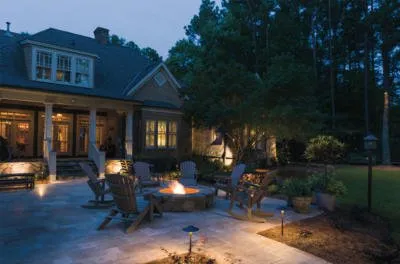
Firmly Rooted Landscaping is a family-owned business serving Weare, NH, and surrounding communities since 2004. Founded by Chris Champagne, who brings over 15 years of hands-on experience, the company...
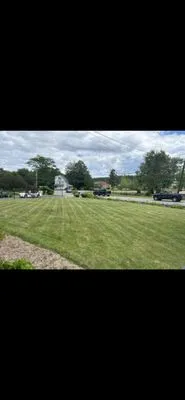
RP Landscape is a trusted lawn care provider serving Weare, NH, specializing in comprehensive lawn maintenance and shrub management. We understand the common local challenges homeowners face, such as ...
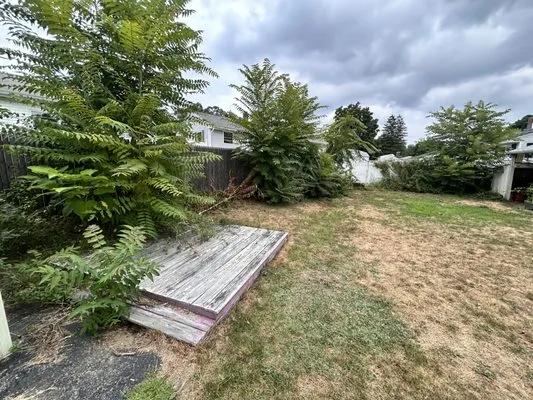
RK OutDoor Services
RK Outdoor Services in Weare, NH, was founded from a genuine passion for the outdoors and expertise in landscaping and excavation. Owner-driven, the business takes pride in transforming properties thr...
Dows Outdoor Services is a family-owned landscaping, tree service, and snow removal company serving Weare, New Hampshire for 48 years. Founded and operated by Jim Dow, this established local business ...
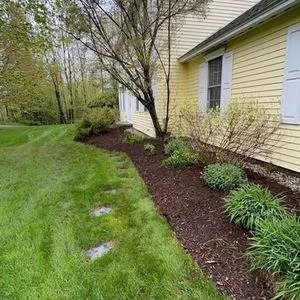
Lucky Quinn’s Landscaping and Pressure Washing
Lucky Quinn’s Landscaping and Pressure Washing is a locally owned and operated business serving Weare, NH, and the surrounding communities. We specialize in comprehensive lawn care and tree care servi...
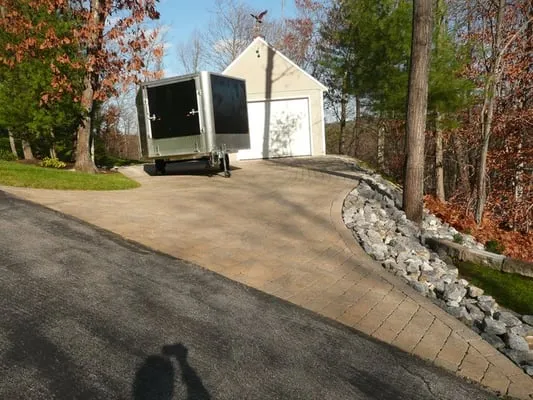
Durgin & Durgin Landscaping LLC is a Weare-based, full-service grounds company founded by Michael Durgin. With over 25 years of combined experience in heavy equipment operation, licensed septic instal...

Bigg Dawg Landscaping & Services
Bigg Dawg Landscaping & Services is a trusted, locally-owned and operated business serving Weare, NH, and the surrounding 50-mile area. As a fully licensed and insured contractor, we bring reliability...
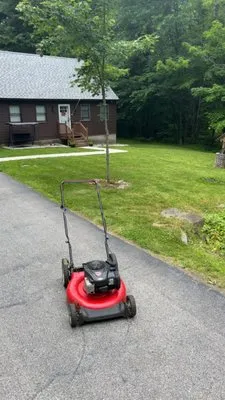
L & L Landscaping is a trusted local landscaping company serving homeowners in Weare, NH. We specialize in addressing common local landscaping challenges like landscape edging damage and overgrown shr...
T & T Landscaping and Tree Service is a trusted local provider in Weare, NH, specializing in comprehensive tree care and landscape maintenance. We understand that Weare homeowners frequently face chal...

WeAre Inside Out Home Cleaning and Yard Care
WeAre Inside Out Home Cleaning and Yard Care is a locally owned and insured service provider in Weare, NH. We help busy homeowners reclaim their time by handling the cleaning and yard work they don't ...
FAQs
What native plants reduce maintenance while supporting local biodiversity?
Replacing high-maintenance turf with highbush blueberry, eastern redbud, and little bluestem creates habitat corridors that support 2026 biodiversity standards. These native species require minimal watering once established and eliminate weekly mowing needs from May through September. Electric maintenance equipment operates quietly within noise ordinance limits while avoiding gas emissions, and the deep root systems of Joe Pye weed improve soil structure naturally over time.
Are granite cobblestones better than wood for fire-resistant landscaping?
Granite cobblestones provide superior fire resistance compared to wood, with a non-combustible rating that supports defensible space requirements in moderate fire risk areas. Their 50+ year lifespan exceeds wood by 3-4 times with minimal maintenance. When installed with proper base preparation and jointing sand, granite pavers maintain permeability for stormwater management while creating durable surfaces that withstand New Hampshire freeze-thaw cycles without deterioration.
What solutions address seasonal water table issues in Weare's sandy loam soil?
High seasonal water tables combined with poor infiltration require French drains or dry wells to redirect subsurface water. Permeable granite cobblestone installations allow 40-60% more water infiltration than traditional pavers, meeting Weare Building & Planning Department runoff standards. Grading adjustments that create gentle slopes away from structures, combined with rain gardens planted with swamp milkweed, provide natural filtration while managing excess moisture in acidic soil conditions.
How quickly can you respond to emergency storm damage for HOA compliance?
Emergency cleanup crews dispatch from Weare Town Hall via NH-114, arriving within 25-35 minutes during peak response times. Our electric maintenance fleet operates within standard daytime hours of 7:00 AM to 9:00 PM to comply with noise ordinances. We prioritize safety assessments first, then implement debris removal protocols that meet municipal stormwater management requirements while addressing immediate HOA compliance concerns.
Why does my Weare Center lawn struggle with compaction and poor drainage?
Weare Center properties built around 1988 have acidic sandy loam soil that has matured for 38 years. This soil type naturally develops compaction layers that restrict water infiltration and root growth. Core aeration every 2-3 years breaks up these layers, while adding organic amendments like composted leaf mold improves soil structure and nutrient retention. The acidic pH range of 5.5-6.2 requires specific soil testing to determine precise amendment needs for optimal plant health.
How do I maintain my Kentucky Bluegrass lawn during voluntary water conservation?
Smart Wi-Fi soil moisture sensor controllers optimize irrigation by measuring actual soil conditions rather than following fixed schedules. These systems adjust watering based on evapotranspiration rates and precipitation data, typically reducing water use by 30-50% while preserving turf health. During Stage 0 voluntary conservation, deep but infrequent watering encourages deeper root growth in your fine fescue blend, making the lawn more drought-resilient without violating municipal guidelines.
How do I control invasive species without violating fertilizer restrictions?
Japanese knotweed and garlic mustard pose significant threats in Weare's moderate Wildland-Urban Interface zones. Manual removal during late April to mid-May peak mulching season prevents seed spread. Spot treatments using organic herbicides avoid phosphorus application restrictions under NH RSA 431:13. Establishing competitive native ground covers like little bluestem creates natural barriers against reinfestation while improving soil health through mycorrhizal associations.
What permits and licenses are required for grading my 2-acre property?
Grading work on 2-acre lots in Weare requires erosion control permits from the Building & Planning Department, plus potential wetland impact reviews if modifying drainage patterns. Contractors must hold NH Secretary of State business registration and preferably NH Landscape Association certification for proper stormwater management. The scale of work triggers municipal review for compliance with phosphorus runoff restrictions and may require engineered plans for significant elevation changes exceeding 18 inches.
