Top Landscaping Services in Wakefield, NH, 03830 | Compare & Call
There are 115 landscaping companies server in Wakefield NH
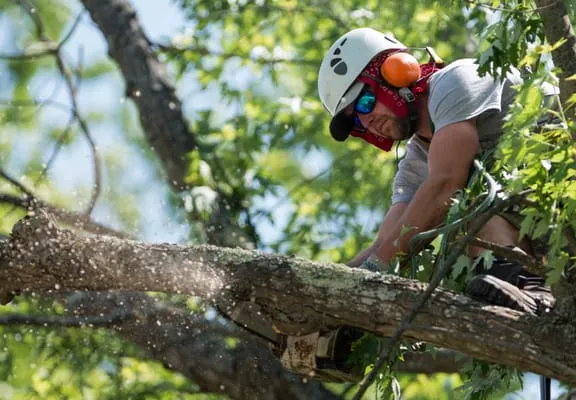
Emerald Tree Experts brings over 20 years of specialized tree care experience to Bartlett and the Mount Washington Valley. Founded by Sean, whose passion for trees began in childhood building tree for...
Sisu Outdoor Solutions is a locally-owned and operated landscaping, snow removal, and roofing service provider proudly serving Albany, NH, and the surrounding communities. We are dedicated to enhancin...
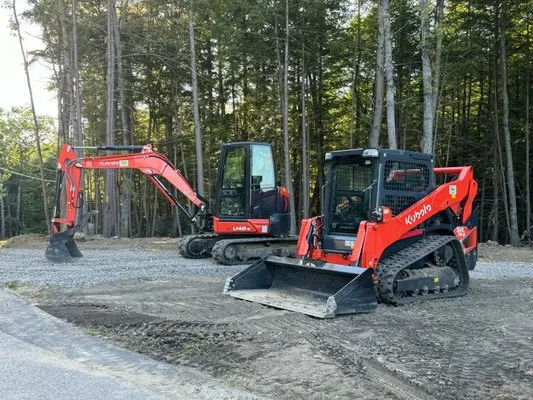
Bucket & Blade, LLC is a family-owned and operated excavation and landscaping company serving Meredith and the surrounding Lakes Region. With over 18 years of hands-on experience, we bring a personal ...

Kesslers Landscaping is a trusted local landscaping and snow removal company serving Gilmanton, NH. We specialize in comprehensive lawn care services designed to address common local issues like dead ...

Fulcher's Property Services, owned and operated by Devin Fulcher, is a trusted local business serving Wakefield, NH, and the surrounding area. Specializing in painting, landscaping, and masonry, Devin...
Hamilton Landscaping
Hamilton Landscaping is a trusted, locally-owned company in New Durham, NH, providing essential outdoor services year-round. We specialize in excavation, trench digging, and snow removal, ensuring you...

MAK Whacking And Mowing is a trusted lawn care provider serving homeowners throughout New Durham, NH. We specialize in addressing the common local landscaping challenges of poor lawn grading and overg...
White Lightning Landscaping is your trusted local partner for a healthier, more beautiful property in East Wakefield, NH. We understand the unique challenges homeowners face here, from persistent weed...
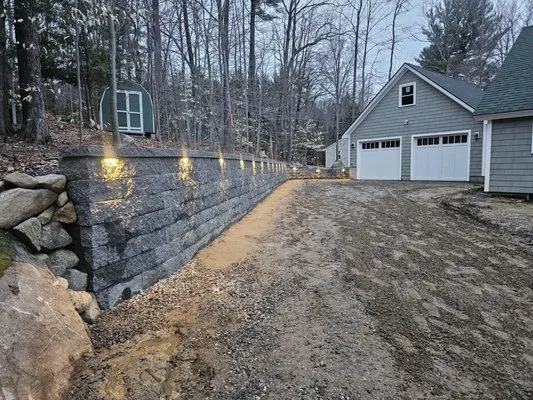
Conti Property Solutions is a full-service landscaping company serving Moultonborough, NH, and surrounding areas. With expertise in both construction and maintenance, we handle everything from earthmo...
Village Green Lawncare is a trusted local lawn services and pest control provider serving Moultonborough, NH. We specialize in comprehensive lawn care solutions tailored to the unique challenges homeo...
Estimated Landscaping Service Costs in Wakefield, NH
Questions and Answers
Are there alternatives to weekly mowing that reduce maintenance noise?
Replacing high-maintenance turf with native plantings like Common Milkweed, New England Aster, and Sweet Fern creates biodiverse landscapes requiring minimal care. These species thrive in USDA Zone 5b conditions with infrequent watering once established. Transitioning to electric maintenance equipment aligns with evolving noise ordinances targeting gas-powered blowers. Native plant communities support pollinators while reducing mowing frequency to monthly or seasonal intervals.
What solutions prevent spring snowmelt flooding on my property?
Acidic sandy loam soils in Wakefield experience high permeability but can become saturated during rapid snowmelt. Installing permeable local granite cobblestones or pavers in walkways and patios increases surface infiltration by 50-70%. These materials meet Wakefield Planning Department runoff standards by reducing impervious surfaces. French drains with clean stone aggregate provide additional subsurface drainage capacity for problem areas.
Why does my Wakefield Village lawn struggle despite regular care?
Properties in Wakefield Village built around 1981 have acidic sandy loam soil that has matured for approximately 45 years. This soil type naturally develops compaction and nutrient depletion over decades, particularly in areas with established turf. Core aeration and organic amendments like composted leaf mold are necessary to improve soil structure and microbial activity. Without these interventions, water infiltration and root development remain limited, leading to poor plant health.
How should I handle invasive plants without harming nearby water bodies?
Common invasive species in Wakefield include Japanese knotweed and garlic mustard, which outcompete native vegetation. Manual removal during early growth stages prevents seed dispersal without chemical intervention. For persistent infestations, targeted herbicide applications must follow state BMPs for phosphorus reduction near water bodies. Treatments should avoid blackout dates specified in local ordinances to protect aquatic ecosystems from nutrient runoff.
Can I maintain Kentucky Bluegrass and Fine Fescue during summer water restrictions?
Smart Wi-Fi soil moisture sensor controllers optimize irrigation by using evapotranspiration data and real-time soil readings. These systems apply water only when turfgrass root zones reach specific dryness thresholds, typically reducing usage by 30-40%. This approach preserves turf health while adhering to Wakefield's voluntary summer conservation measures. Properly calibrated sensors prevent overwatering even during peak ET periods.
What permits and licenses are needed for grading my 1.2-acre lot?
Grading work on 1.2-acre properties in Wakefield requires a permit from the Wakefield Planning Department, particularly when altering drainage patterns or removing significant vegetation. Contractors must hold appropriate licensing through the New Hampshire Landscape Association, which verifies competency in erosion control and soil management. Larger projects may need additional approvals if they impact wetland buffers or exceed certain earth movement thresholds. Professional licensing ensures compliance with state BMPs and local zoning regulations.
How quickly can you respond to storm damage for HOA compliance?
Emergency cleanup crews dispatch from Wakefield Town Hall via NH-16, arriving within 45-60 minutes during peak conditions. This response time accounts for debris clearance and safety assessments required by neighborhood associations. Teams prioritize routes with high tree density and visibility hazards. Coordination with local authorities ensures compliance with daytime operation hours from 7am to 7pm.
Is local granite better than wood for durable outdoor surfaces?
Local granite cobblestones and pavers offer superior longevity compared to wood, with lifespans exceeding 50 years versus wood's 10-15 years. Granite's non-combustible properties contribute to defensible space in Wakefield's Moderate Wildland-Urban Interface rating zones. The material requires no chemical treatments and maintains structural integrity through freeze-thaw cycles. Properly installed granite hardscapes provide permanent erosion control with minimal maintenance.
