Top Landscaping Services in Tuftonboro, NH, 03226 | Compare & Call
There are 154 landscaping companies server in Tuftonboro NH
Coffey & Son Landscaping is a family-owned and operated landscaping company serving Laconia, NH, and the surrounding Lakes Region. With deep roots in the community, we specialize in creating beautiful...
Rakin It in Landscaping is a trusted local provider in Laconia, NH, specializing in landscaping and snow removal services. We understand the common challenges Laconia homeowners face, such as persiste...

Complete Cleanouts & Property Services LLC is a locally owned and operated business in Laconia, NH, dedicated to helping homeowners and businesses maintain clean, safe, and well-kept properties. We pr...
Shamrock Landscaping is a trusted local landscaping company serving Mirror Lake, NH, specializing in landscaping, masonry/concrete, and irrigation services. We help homeowners address common local iss...
Total Concepts Steel Roofing in Laconia, NH, is a trusted local roofing and home services provider with over three decades of experience serving the New Hampshire community. Founded in 1990, the compa...

JCB Designscapes
JCB Designscapes is a family-owned landscaping company serving Newport, NH, and the Lake Sunapee Region since 2004. With over 20 years of industry experience, we specialize in landscape installation a...
Gilford Lawn & Landscape is a trusted, locally-owned landscape service provider with over two decades of experience serving the Lakes Region. Based in Gilford, NH, our team is dedicated to enhancing a...
Evergreen Acres is a family-operated, Campton-based business with deep roots in the local soil. For over 35 years, we've built our reputation on reliable, hands-on service for our New Hampshire neighb...
KRM Landscapes is a trusted, locally-owned landscaping company serving Tilton, NH, and the surrounding areas. We specialize in comprehensive landscaping, tree care, and patio coverings to enhance your...
Kingsbury Landscape & Design is a Northfield, NH-based landscaping and tree service company with deep roots in the local community. Founded in 2006, our team blends certified design expertise with han...
Estimated Landscaping Service Costs in Tuftonboro, NH
Question Answers
What alternatives exist for reducing lawn maintenance while supporting local ecology?
Replacing high-maintenance turf areas with native plantings like Highbush Blueberry, Common Milkweed, and Joe-Pye Weed creates resilient, low-input landscapes. These species require no chemical inputs and support pollinators while adapting to USDA Zone 5b conditions. Transitioning to electric maintenance equipment ahead of potential gas-blower restrictions reduces noise and emissions. This approach aligns with 2026 biodiversity standards while decreasing weekly mowing requirements from May through September.
How should I handle invasive plants without using restricted fertilizers?
Early detection and manual removal prevent invasive species establishment while complying with New Hampshire's phosphorus reduction guidelines (RSA 431:14). For persistent issues like Japanese knotweed or garlic mustard, targeted spot treatments using approved herbicides avoid broadcast applications. Timing interventions outside blackout dates ensures regulatory compliance while protecting water quality. Soil testing determines specific amendment needs rather than blanket fertilizer applications that might violate ordinances.
Why does my Melvin Village lawn have such poor drainage and thin grass despite regular care?
Properties in Melvin Village with 1981-era construction have 45-year-old soil profiles that have become compacted over time. The acidic sandy loam (pH 5.5-6.2) common here loses permeability as organic matter decomposes without replenishment. Core aeration every 2-3 years combined with compost amendments addresses this compaction by improving soil structure and water infiltration. Without these interventions, the soil cannot support healthy root systems for your Kentucky Bluegrass and Fine Fescue mix.
What solutions exist for spring thaw saturation problems on my property?
The high water table and seasonal saturation in Tuftonboro's acidic sandy loam require graded swales and French drain systems. Permeable local granite or fieldstone hardscapes increase surface infiltration while meeting Tuftonboro Planning Board runoff standards. Strategic placement of these materials creates natural drainage pathways that redirect water away from structures. Combined with proper grading, this approach addresses spring thaw issues without creating downstream erosion problems.
What permits and licenses are required for major landscaping projects on 2.5-acre lots?
Grading and earthwork on 2.5-acre properties in Tuftonboro require permits from the Tuftonboro Planning Board, especially when altering drainage patterns or adding impervious surfaces. Contractors must hold appropriate licensing through the New Hampshire Landscape Association and NH Secretary of State to ensure compliance with state regulations. These requirements protect against erosion, water quality issues, and property boundary disputes. Professional licensing verifies competency in stormwater management and proper installation techniques for long-term landscape integrity.
How quickly can you respond to emergency storm damage for HOA compliance in Tuftonboro?
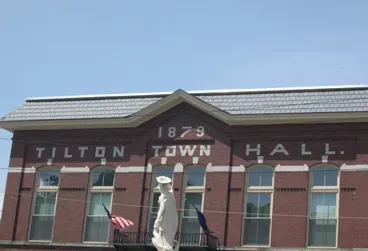
Our electric maintenance fleet can dispatch from Tuftonboro Town Hall within standard noise ordinance hours (7:00 AM - 9:00 PM). Using NH Route 109, we reach most Melvin Village properties within 45-60 minutes during peak response situations. This routing minimizes travel time while ensuring compliance with noise regulations through quieter electric equipment operation. Emergency cleanup prioritizes safety hazards first, followed by restoration of access and visual standards.
Why choose local stone over wood for patios and walkways in our area?
Local granite and fieldstone offer superior longevity with minimal maintenance compared to wood structures that decay in New England's climate. These materials provide permanent hardscaping that withstands freeze-thaw cycles without replacement. For properties in Moderate Fire Wise zones (WUI Zone 2), stone creates defensible space by eliminating combustible materials near structures. The thermal mass of stone also moderates microclimate temperatures, reducing irrigation demands on adjacent plantings.
How can I maintain my lawn during dry spells without violating water conservation guidelines?
Soil moisture sensor-based drip irrigation systems optimize water use by delivering moisture directly to root zones when needed. These systems typically reduce water consumption by 30-50% compared to traditional sprinklers while preserving turf health. During seasonal voluntary conservation periods, programming follows evapotranspiration (ET) data to match plant needs without waste. This approach maintains your Kentucky Bluegrass and Fine Fescue mix within municipal water limits while preventing drought stress.
