Top Landscaping Services in Temple, NH, 03084 | Compare & Call
There are 122 landscaping companies server in Temple NH
Robert Blodgett Jr Property Maintenance
Robert Blodgett Jr Property Maintenance is a trusted, locally-owned and operated business serving the Keene, New Hampshire community. Owner Robert Blodgett Jr. brings over a decade of hands-on landsca...
SNH Landscaping & Snow Services LLC is your local Nashua partner for year-round property care. We specialize in comprehensive landscaping, from design and installation to ongoing maintenance, and reli...
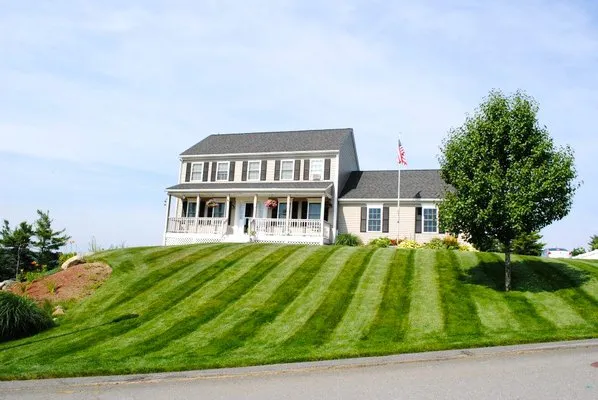
Lawn Dawg is a trusted lawn care provider serving Nashua, NH, specializing in comprehensive lawn maintenance and solutions tailored to the local climate. We help homeowners address common Nashua lands...

Gate City Landscaping & Property Service
Gate City Landscaping & Property Service is your trusted local partner for maintaining and enhancing properties in Nashua, NH. We specialize in comprehensive solutions, including junk pickup, landscap...

For over 35 years, A Plus Lawn Care has been a trusted name in Southern New Hampshire, providing reliable lawn services to Nashua, Amherst, Bedford, and surrounding communities. Founded in 1987, our c...
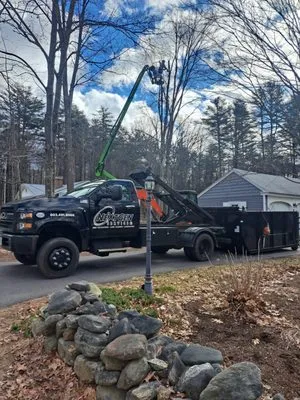
NextGen Services is a licensed and bonded excavation company based in Suncook, NH, specializing in excavation, landscaping, and tree services. We handle everything from soil backfilling and land clear...
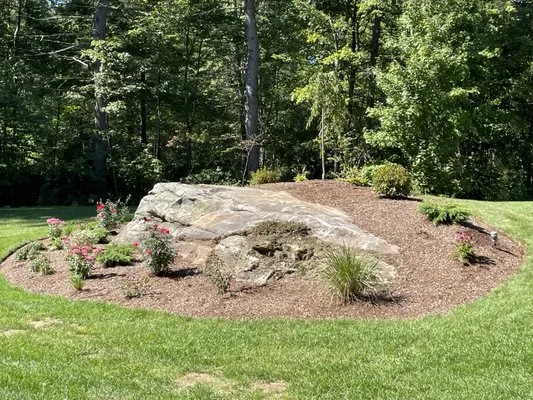
Green Star Landscape Services
Green Star Landscape Services is a Mason-based, owner-operated company with over 15 years of dedicated experience in the landscape industry. We specialize in creating beautiful, enduring landscapes fo...
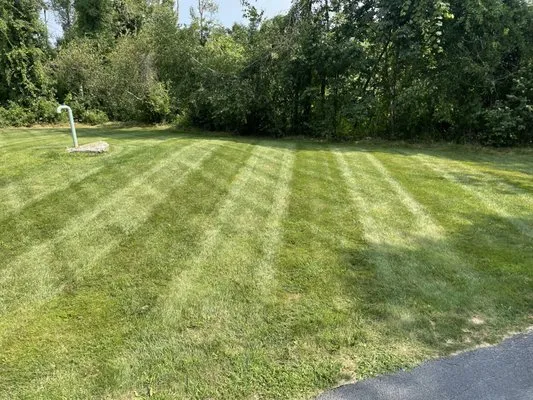
Harding Landscape & Construction is your trusted local partner for year-round outdoor care in New Ipswich, NH. As a full-service company, we specialize in expert deck construction, repair, and replace...
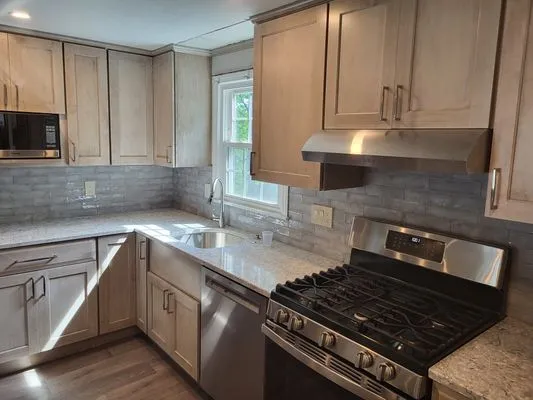
DMH Properties is a Hudson-based landscaping, tiling, and general contracting company serving Hillsborough County. We specialize in comprehensive outdoor solutions, from earthmoving and irrigation con...

Paul Brassard is a veteran-owned and operated landscaping and tree service company serving Candia, NH, and the surrounding area. Rooted in a genuine love for the outdoors and hands-on problem-solving,...
Estimated Landscaping Service Costs in Temple, NH
Q&A
What solutions prevent frost heave damage in Temple's high water table?
Acidic glacial till soils with high clay content exacerbate frost heave susceptibility and poor percolation. Installing French drains with clean stone aggregate creates subsurface channels that redirect groundwater away from foundations. Permeable fieldstone and granite paver installations meet Temple Planning Board runoff standards by allowing 8-12 inches per hour infiltration rates. Grade adjustments of 2% slope over 10 feet direct surface water toward drainage swales planted with moisture-tolerant natives.
What invasive species threaten Temple landscapes and how are they managed?
Japanese knotweed and garlic mustard present primary invasion risks in acidic glacial till soils, outcompeting natives like Highbush Blueberry. Manual removal before seed set in early summer prevents spread without violating NHDES Best Management Practices for turf fertilizer. Targeted glyphosate applications during fall dormancy minimize runoff into Temple's high water table. Treatment schedules avoid spring blackout dates when fertilizer restrictions protect aquatic systems from nutrient loading.
What permits and licenses are needed for grading my 2-acre property?
The Temple Planning Board requires erosion control permits for any grading disturbing over 5,000 square feet on 2.0-acre lots. New Hampshire Landscape Association licensing ensures contractors understand NHDES Best Management Practices for managing acidic glacial till compaction. Professional licensing becomes critical when regrading affects drainage patterns toward neighboring properties or Temple's high water table. Certified professionals document soil amendments and final grades to prevent future frost heave liability issues.
How quickly can you respond to storm damage for HOA compliance?
Emergency cleanup crews dispatch from Temple Town Hall via NH Route 101, arriving within 45-60 minutes during peak response windows. This timeframe accounts for debris clearance on 2.0-acre Temple Village Center properties while adhering to 7 AM-9 PM noise ordinance restrictions. Electric maintenance equipment minimizes noise violations during extended cleanup operations. Route optimization prioritizes arterial roads before accessing residential lanes with fallen limbs.
Can I reduce mowing while maintaining property aesthetics?
Replacing high-maintenance turf with Sugar Maple, Highbush Blueberry, and New England Aster stands reduces mowing frequency from bi-weekly to seasonal maintenance. These native plantings require no gas-powered blowers, staying ahead of evolving noise ordinance restrictions targeting combustion engines. Joe Pye Weed and Winterberry provide year-round structure while supporting 2026 biodiversity standards for pollinators. Transition zones with Fine Fescue buffers create fire-wise defensible space in Temple's Moderate Wildland-Urban Interface rating.
Why choose fieldstone over wood for Temple patio installations?
Fieldstone and granite pavers offer 50+ year longevity compared to wood's 15-20 year lifespan in USDA Zone 5b freeze-thaw cycles. These materials maintain structural integrity despite frost heave pressures common in Temple's high water table conditions. Their non-combustible nature supports defensible space requirements for Moderate Fire Wise ratings, unlike wood decks that require 30-foot clearance. Permeable installation methods using angular stone bases improve drainage while meeting local runoff regulations.
Why does my Temple Village Center lawn struggle despite regular care?
Properties built around 1981 have soil that has matured for approximately 45 years on acidic glacial till with pH 5.5-6.2. This acidic, compacted soil profile limits root penetration and nutrient availability for Kentucky Bluegrass and Fine Fescue mixes. Core aeration combined with organic amendments like composted leaf mold addresses compaction while gradually raising pH toward neutral. Soil testing every 2-3 years tracks pH changes and informs targeted lime applications.
How do I maintain my lawn during voluntary water monitoring periods?
Drip irrigation with soil moisture sensors preserves Kentucky Bluegrass and Fine Fescue turf while operating within Stage 0 water restrictions. These systems deliver water directly to root zones at 0.5-2.0 gallons per hour, reducing evaporation losses by 30-50% compared to sprinklers. Sensor data triggers irrigation only when soil moisture drops below 50% field capacity, aligning with evapotranspiration rates for USDA Zone 5b. Municipal water usage typically stays below 1 inch per week during peak growing seasons.
