Top Landscaping Services in Tamworth, NH, 03817 | Compare & Call
There are 146 landscaping companies server in Tamworth NH

Landscapes by Tom
For over 40 years, Tom has been shaping the outdoor spaces of the Lakes Region, combining a builder's passion with a designer's eye. As a former landscape supply store owner, he brings deep practical ...
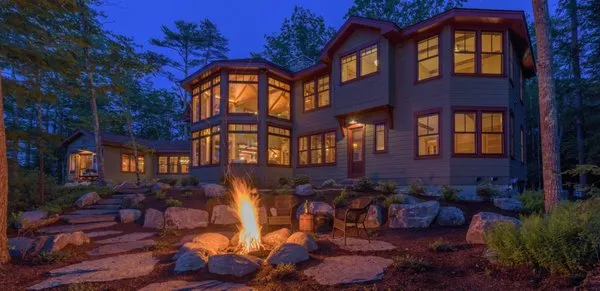
Stephens Landscaping Professionals
Founded in 2007 by brothers John and Mark Stephens, Stephens Landscaping Professionals grew from a local student's lawn mowing service into a premier Lakes Region firm. With a foundation in John's Hor...
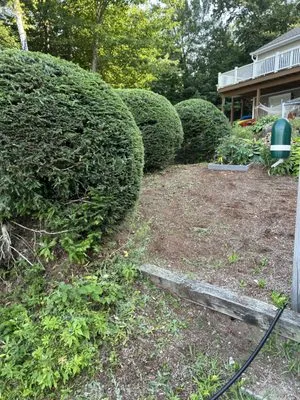
WRF Landscaping is a family-owned and operated lawn and tree service provider based in Keene, New Hampshire. With over 40 years of experience, we specialize in delivering reliable property maintenance...
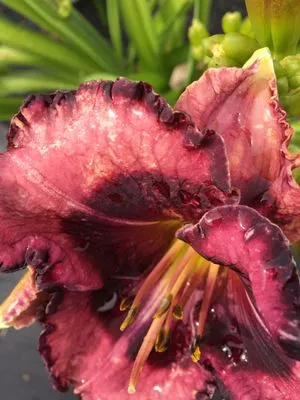
Clean Creations in Bedford, NH, is the vision of owner Alicia Gibson, a fine artist, ultra runner, and dedicated single mom. Her business uniquely blends artistic vision with a deep appreciation for N...
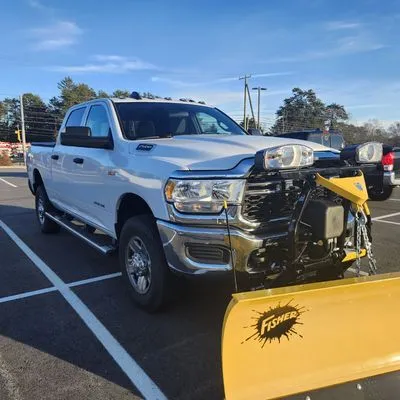
Ryan Lawn & Snow was founded in Gilford, NH, to meet the Lakes Region's clear need for dependable and affordable outdoor maintenance. As a local, small business, we focus on providing quality lawn car...
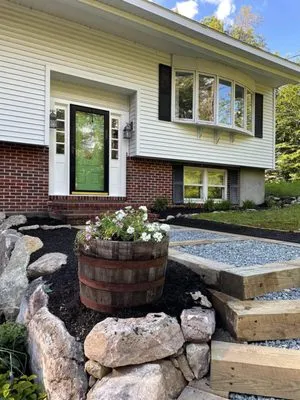
For over 35 years, Shaw Mowing has been a trusted, family-owned name in Central New Hampshire, serving the Laconia community with reliable lawn, farm, and garden care. As a locally operated business, ...
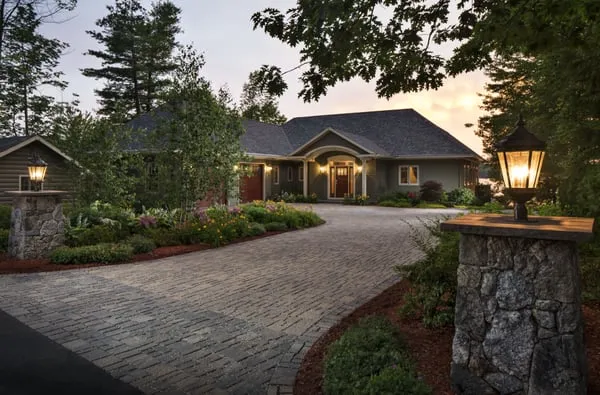
Natures Elite Landscaping is a professional landscape construction and maintenance company serving Gilford, NH, and the broader Lakes Region. Founded in 2008, the business specializes in both resident...
Boucher's Landscaping is a trusted, locally-owned service provider in Laconia, NH, specializing in year-round property care. We understand the unique challenges Laconia homeowners face, from persisten...
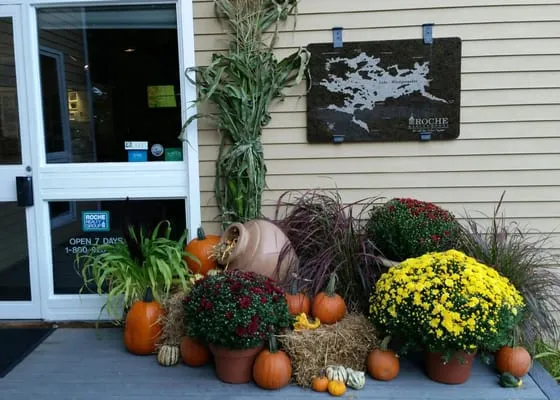
Breakthrough Property Services is a locally owned and operated landscaping and property maintenance company based in Meredith, New Hampshire. Founded with a commitment to enhancing residential propert...

Prestige Property Partners of New England
Prestige Property Partners of New England is a Laconia-based property management and contracting company serving the New Hampshire Lakes Region. With over 40 years of combined experience, we specializ...
Estimated Landscaping Service Costs in Tamworth, NH
Common Questions
What solves persistent spring flooding in my yard?
High spring snowmelt saturation exacerbates drainage issues in acidic sandy loam over poorly drained glacial till. Installing French drains with clean stone aggregate redirects subsurface water away from foundations. Permeable local granite or bluestone patios increase surface infiltration rates, meeting Tamworth Planning Board runoff standards. These solutions work synergistically: subsurface drainage handles bulk water movement while permeable hardscapes manage sheet flow during heavy precipitation events.
What invasive species threaten Tamworth properties and how are they managed?
Japanese knotweed and garlic mustard present significant invasion risks in Tamworth's disturbed soils, particularly near NH Route 16 corridors. Treatment involves targeted herbicide applications during active growth phases, carefully timed outside New Hampshire's BMP nitrogen reduction guideline blackout dates. Mechanical removal precedes chemical treatment for established infestations, with follow-up monitoring for regrowth. Proper disposal prevents spread to adjacent properties, protecting native Highbush Blueberry and Canada Anemone populations.
How quickly can you respond to storm damage for HOA compliance?
Emergency cleanup crews dispatch from the Tamworth Lyceum area via NH Route 16, arriving within 45-60 minutes during peak response windows. This routing accounts for seasonal traffic patterns while maintaining compliance with Tamworth's 8am-8pm noise ordinance for equipment operation. Crews prioritize safety assessments before debris removal, particularly for compromised trees near structures. Response timing ensures regulatory deadlines are met while minimizing property exposure to secondary damage.
Why does my Tamworth Village lawn struggle despite regular care?
Properties built around 1978 have soil that has matured for approximately 48 years, developing a compacted acidic sandy loam structure common in this neighborhood. This soil type with pH 5.5-6.2 restricts root penetration and water infiltration, particularly problematic with glacial till beneath. Annual core aeration combined with organic amendments like composted pine bark improves soil permeability and microbial activity. Without these interventions, turfgrass and ornamentals cannot access sufficient nutrients or moisture during peak growing seasons.
What permits and licenses are needed for grading my 1.5-acre lot?
Grading work on 1.5-acre lots requires Tamworth Planning Board approval for erosion control and stormwater management plans. Contractors must hold New Hampshire Landscape Association certification demonstrating competency in soil science and hydrology. State regulations mandate licensed professionals for any excavation exceeding 18 inches depth or affecting drainage patterns. These requirements ensure proper handling of glacial till substrates and prevent downstream sedimentation, with violations carrying significant penalties for non-compliance.
Why choose local stone over wood for patio materials?
Local granite and bluestone offer superior longevity with minimal maintenance compared to wood decking, particularly important in Moderate Fire Wise zones requiring defensible space. These materials withstand freeze-thaw cycles without deterioration and provide non-combustible surfaces that meet WUI Zone 2 compliance standards. Stone's thermal mass moderates temperature extremes, reducing heat island effects while providing stable footing. Properly installed stonework maintains permeability for stormwater management, unlike impervious alternatives that exacerbate runoff issues.
Will my Kentucky Bluegrass lawn survive with voluntary water restrictions?
Drip irrigation with soil moisture sensors maintains turf health within municipal water limits by applying water only when ET rates indicate need. This system delivers moisture directly to root zones of Kentucky Bluegrass and Fine Fescue mixes, reducing evaporation losses by approximately 40% compared to traditional sprinklers. Sensors prevent overwatering during high spring snowmelt periods when soil saturation is already elevated. Properly calibrated systems can sustain turf through drought periods while staying within voluntary conservation guidelines.
How can I reduce maintenance while supporting local ecology?
Replacing high-maintenance turf with native plantings like Eastern White Pine, Highbush Blueberry, and New England Aster creates resilient landscapes that require minimal intervention. These species have evolved for USDA Zone 5a conditions and acidic soils, needing no supplemental irrigation once established. Transitioning to electric maintenance equipment ahead of tightening noise ordinances reduces operational disruptions. Native plant communities support pollinator populations while naturally suppressing weed establishment through competitive exclusion.
