Top Landscaping Services in Suncook, NH, 03275 | Compare & Call
There are 138 landscaping companies server in Suncook NH
Tethers Property Maintenance is a trusted, locally-owned property care company serving Suncook, NH, and the surrounding area. We specialize in junk removal & hauling, snow removal, and comprehensive l...
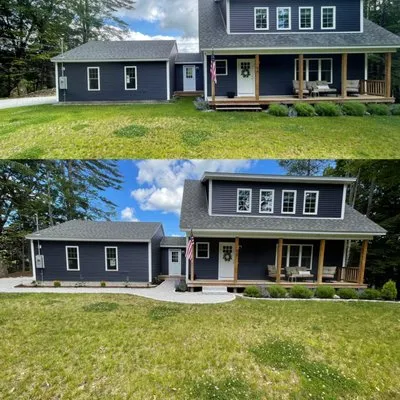
Rolling Greens Landscaping & Property Maintenance
Rolling Greens Landscaping & Property Maintenance is a trusted local provider in Concord, NH, with over 20 years of combined experience in landscaping and hardscaping. We specialize in comprehensive p...
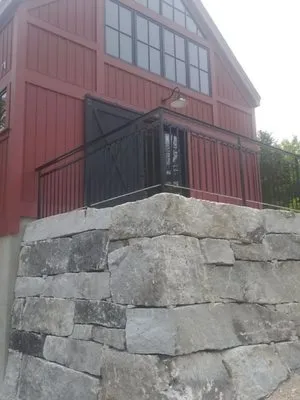
Planet Green Landscape
Since 1997, Planet Green Landscape has been a trusted fixture in Meredith, NH, evolving from a dedicated landscaping company into a full-service excavation and solar energy contractor. We operate with...

Wise Yard is your local Concord neighbor for dependable lawn care and seasonal yard solutions. With several years of hands-on experience, I specialize in thorough yard cleanup, preparing properties fo...
Doucet Lawn Care is a trusted landscaping and irrigation company serving Concord, NH. We specialize in solving common local yard issues, such as standing water and lawn fungus, which can damage your p...

Nature Scapes, based in Grafton, New Hampshire, is a water feature design and installation company with over 23 years of dedicated experience. Founded and operated by Sean and April, the team brings d...
Mostly Mowing is a dedicated lawn care service based in Hooksett, NH, helping local homeowners maintain healthy, beautiful lawns. We understand the common local challenges of soil compaction and lands...
RSC Pro Edge Landscaping is your trusted local partner for comprehensive outdoor solutions in Pembroke, NH. We specialize in transforming and maintaining residential landscapes, with expertise in irri...
Estimated Landscaping Service Costs in Suncook, NH
FAQs
How quickly can you respond to emergency storm damage that violates HOA compliance standards?
Emergency cleanup crews dispatch from the Pembroke Town Library area via NH-28. During peak conditions, arrival time to Suncook Village properties is 20-30 minutes. Our electric equipment fleet operates within municipal quiet hours starting at 7:00 AM. We prioritize safety hazards like downed limbs blocking driveways or damaged hardscapes. Documentation for insurance claims is provided within 24 hours of service completion.
What alternatives reduce mowing frequency and comply with evolving noise ordinances?
Replacing high-maintenance turf with native plantings like Eastern Redbud and Highbush Blueberry creates low-input landscapes. Purple Coneflower and Wild Bergamot support local pollinators while requiring minimal care. These species thrive in USDA Zone 5b with acidic soil conditions. Electric maintenance equipment meets noise ordinance requirements for operations before 7:00 AM. Native plantings typically need only seasonal pruning rather than weekly mowing.
How do I maintain my Kentucky Bluegrass lawn during Suncook's voluntary water conservation periods?
Smart Wi-Fi soil moisture sensor controllers optimize irrigation by tracking evapotranspiration rates. These systems apply water only when soil moisture drops below predetermined thresholds. For acidic sandy loam, this typically means 0.5-0.75 inches weekly during peak growth. The technology reduces water use by 30-40% while preserving turf health. Voluntary conservation Stage 0 allows flexibility, but efficient systems prevent future mandatory restrictions.
Are granite pavers better than wood for Suncook's climate and fire safety requirements?
Granite pavers outperform wood in longevity, with 50+ year lifespans versus 10-15 years for pressure-treated timber. The material's thermal mass moderates temperature fluctuations that cause frost heave in sandy soils. For moderate Firewise Community ratings, granite provides non-combustible defensible space around structures. Crushed stone pathways offer additional firebreaks while maintaining permeability. These materials require minimal maintenance compared to wood's seasonal treatments.
How do I control invasive species without violating New Hampshire's fertilizer regulations?
Japanese knotweed and garlic mustard present the highest risks in Suncook's disturbed soils. Manual removal during late April to mid-May prevents seed dispersal. Spot treatments with EPA-approved herbicides avoid BMP blackout dates for turf fertilizers. Soil testing determines specific nutrient needs before amendment applications. Healthy native plant communities naturally resist invasion through competitive exclusion. Regular monitoring catches infestations before they establish.
Why does my Suncook Village lawn have such poor drainage and thin grass despite regular care?
Properties in Suncook Village built around 1957 have acidic sandy loam soil with 69 years of development history. This soil type naturally has low organic matter and poor water retention. The pH range of 5.5-6.2 limits nutrient availability for turfgrass. Core aeration combined with compost amendments improves soil structure and microbial activity. Regular soil testing every 2-3 years helps maintain optimal conditions for root development.
What permits and licenses are needed for grading work on my 0.35-acre Suncook property?
The Town of Pembroke Planning Department requires grading permits for soil disturbance exceeding 100 cubic yards. New Hampshire Landscape Association licensing ensures contractors understand BMPs for erosion control. On 0.35-acre lots, even minor grading can trigger wetland buffer zone regulations. Professionals carry liability insurance for damage to neighboring properties during excavation. Proper licensing guarantees compliance with state fertilizer ordinances and noise regulations during project execution.
What solutions address seasonal water pooling and frost heave in my Suncook yard?
Acidic sandy loam with high water table requires French drains or dry wells for subsurface management. Granite pavers and crushed stone provide permeable surfaces that meet Town of Pembroke runoff standards. These materials allow 2-4 inches per hour infiltration, reducing surface water accumulation. Proper grading with 2% slope away from foundations prevents frost heave damage. Drainage systems should be installed before late April mulching to capture spring meltwater.
