Top Landscaping Services in Sandwich, NH, 03227 | Compare & Call
There are 157 landscaping companies server in Sandwich NH
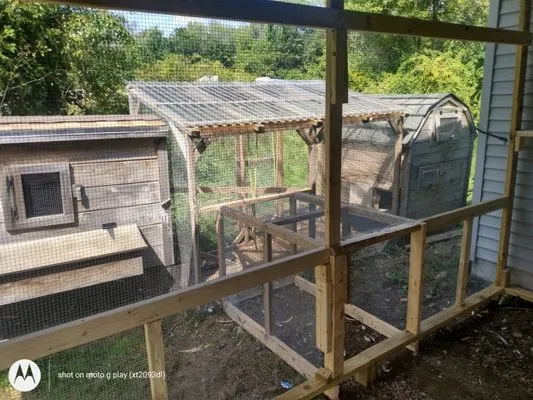
Blue Bear Lawn Care & Handyman Services is your trusted local partner in Somersworth, NH, dedicated to keeping your property looking its best and functioning perfectly. We understand that local homeow...
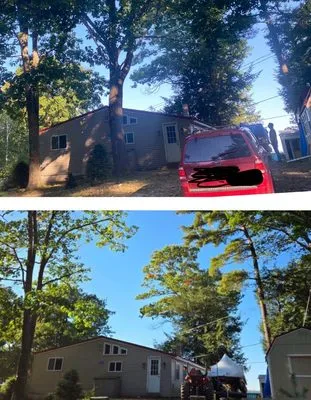
Limb & Log is a family-owned and operated tree service and landscaping company proudly serving the Middleton, NH community. We specialize in the reliable and safe care of your property's green spaces,...
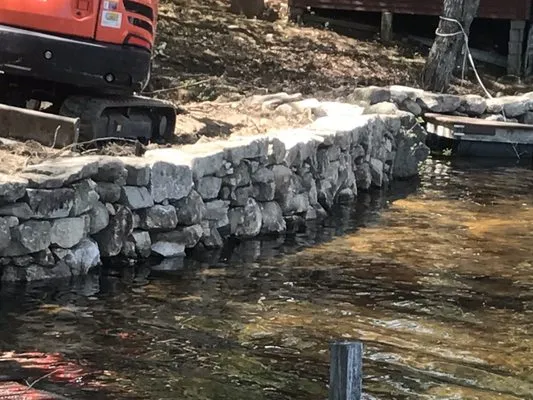
At All American Stonework by Silver in Barrington, NH, we're a family-oriented masonry and landscaping company built on over 13 years of hands-on experience. Founded by a dedicated stone mason, our mi...
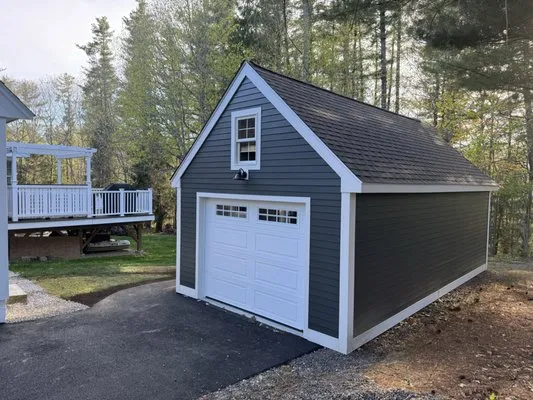
CL Siteworks is a trusted excavation and landscaping contractor based in Deerfield, NH, dedicated to delivering reliable results for both residential and commercial properties. Our approach prioritize...
Dudley Site Work Septic Repair Tree Work
Dudley Site Work Septic Repair Tree Work is your trusted local partner for a healthy, beautiful property in Sanbornville, NH. We specialize in landscaping, septic repair, and tree services, offering c...
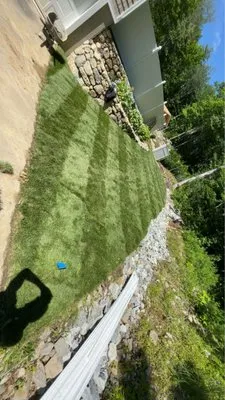
R J Mici Landscaping is a full-service landscaping and excavation company serving Gilmanton, NH, and the surrounding areas. With expertise in excavation, landscape construction, hardscaping, snow remo...
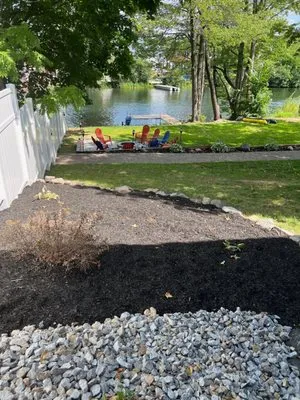
3 in 1 Property Services is a locally-owned and operated company in Laconia, NH, dedicated to comprehensive property care for the Lakes Region. With an ISA Certified Arborist on staff, we bring expert...
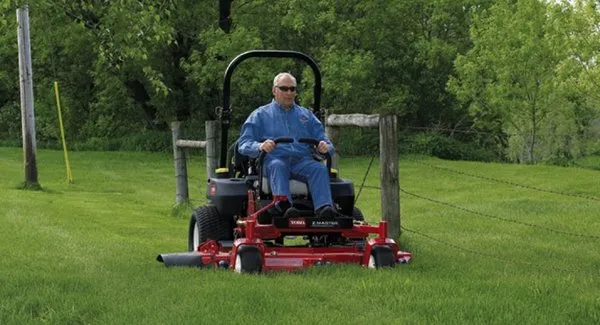
R3J Landscapes is a dedicated, locally-owned operation serving Alton Bay and the surrounding New Hampshire communities. We provide a comprehensive range of services to manage your property year-round,...
Miracle Farms Landscape Contractors
Miracle Farms Landscape Contractors brings over 25 years of expertise to the Lakes Region, founded on a commitment to quality relationships and lasting landscapes. After relocating from Connecticut, w...

Belknap Landscape Company was founded in Gilford in 1988 by Hayden McLaughlin, whose deep roots in the community and education in Plant and Soil Science from the University of Maine inform the company...
Estimated Landscaping Service Costs in Sandwich, NH
Q&A
What irrigation approach works best with Sandwich's voluntary conservation guidelines?
Manual drip irrigation systems paired with rain barrel collection optimize water use while maintaining Kentucky Bluegrass and Fine Fescue mixes. Drip systems deliver water directly to root zones with 90% efficiency compared to 65% for traditional sprinklers. Rain barrels capture approximately 600 gallons per 1,000 square feet of roof area annually, supplementing municipal water during dry periods. This combination respects voluntary conservation while preserving turf health through targeted moisture application.
Why choose local granite over wood for Sandwich patio installations?
Local granite and fieldstone offer 50+ year lifespans versus 15-25 years for pressure-treated wood in USDA Zone 5a conditions. These materials provide non-combustible surfaces that support Moderate Fire Wise Rating (WUI Zone 2) compliance through defensible space creation. Granite's thermal mass moderates temperature extremes while requiring zero chemical treatments. The initial investment yields long-term durability that withstands Sandwich's freeze-thaw cycles better than organic materials.
What permits and licensing are required for grading work on 2.5-acre Sandwich properties?
Grading projects exceeding 1 cubic yard of earth movement require Town of Sandwich Planning Board review under erosion control ordinances. Contractors must hold New Hampshire Landscape Association certification and NH Secretary of State business registration for professional liability coverage. The 2.5-acre scale triggers additional considerations for wetland buffers and stormwater management plans. Proper licensing ensures compliance with state phosphorus restrictions and protects property owners from uninsured workmanship issues.
How should we manage invasive species without violating fertilizer regulations?
Japanese knotweed and garlic mustard present significant invasive threats in Sandwich's acidic soils. Mechanical removal before seed set combined with targeted organic herbicides avoids phosphorus application restrictions under NH RSA 431:13. Timing treatments outside blackout dates (typically early spring and fall) prevents nutrient runoff into watersheds. Soil testing every 3 years guides amendment applications that strengthen desired vegetation without promoting invasive spread through excessive fertilization.
How do we address seasonal saturation and frost heave in Sandwich yards?
Acidic Spodosol soils in USDA Zone 5a experience high seasonal saturation due to limited permeability, exacerbating frost heave risks. Installing French drains with local granite aggregate creates subsurface channels that redirect water away from foundations. Permeable fieldstone pathways meet Town of Sandwich Planning Board runoff standards by allowing 40-50% infiltration versus impervious surfaces. These solutions mitigate drainage hazards while working with the region's soil characteristics rather than against them.
How quickly can you respond to storm damage for HOA compliance?
Emergency cleanup crews dispatch from the Sandwich Fairgrounds area via NH Route 25, arriving within 45-60 minutes during peak response times. We prioritize safety hazards like downed trees blocking driveways or damaged hardscapes requiring immediate attention. Our electric equipment fleet operates within Sandwich's quiet hours ordinance (9 PM-7 AM) while providing efficient debris removal. This routing ensures timely response to storm events while maintaining neighborhood compliance standards.
Why does my Sandwich Village lawn struggle despite regular care?
Properties in Sandwich Village built around 1938 have 88-year-old soil profiles. Acidic Spodosol soils with pH 5.0-5.5 naturally develop over decades in this region, creating compacted layers that restrict root growth and nutrient availability. Core aeration every 2-3 years combined with organic amendments like composted pine bark can improve soil structure and microbial activity. This addresses the inherent limitations of aged acidic soils common throughout the neighborhood.
What landscape changes reduce maintenance while supporting local ecology?
Replacing high-maintenance turf areas with native plantings like Common Milkweed, New England Aster, and Joe-Pye Weed creates resilient, low-input landscapes. These species require no supplemental irrigation once established and support pollinator populations critical to regional biodiversity. Transitioning to electric maintenance equipment anticipates tightening noise ordinances around gas-powered blowers. This approach reduces weekly mowing demands while creating habitat corridors that exceed 2026 biodiversity benchmarks.
