Top Landscaping Services in Richmond, NH, 03470 | Compare & Call

There are 26 landscaping companies server in Richmond NH
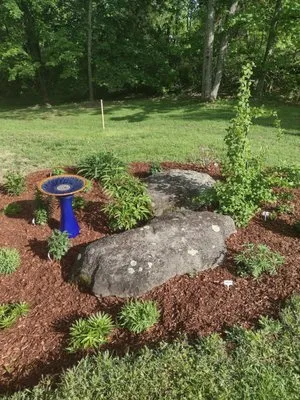
Woody's Landscaping is a full-service, locally-owned landscaping company dedicated to enhancing and maintaining the beauty of Sunapee, NH properties. We offer comprehensive care, from initial landscap...
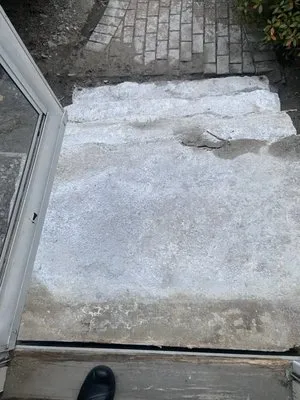
M&M Landscaping is a trusted, full-service contractor serving Windham, NH, and the surrounding communities. We specialize in transforming outdoor living spaces through professional landscaping, custom...
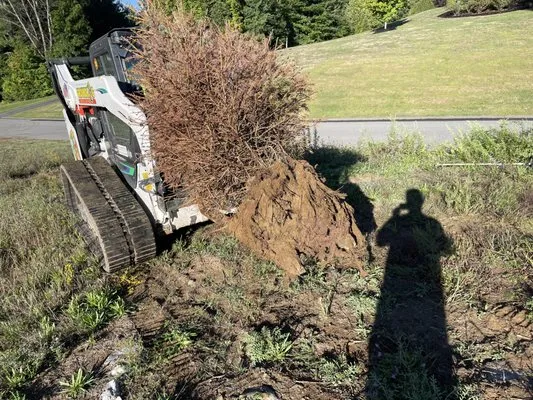
Shampney & Son's Four Seasons Landscaping
Shampney & Son's Four Seasons Landscaping is a family-owned business serving Bow, NH, and surrounding areas since 2010. With over 20 years of combined experience, owner David Shampney and his team pro...

Brochu Nursery and Landscaping
Brochu Nursery and Landscaping is a family-owned Concord institution, rooted in the local community since 1951. Founded by Leonard 'Red' Brochu, the company grew from a small maintenance operation int...
Robert Blodgett Jr Property Maintenance
Robert Blodgett Jr Property Maintenance is a trusted, locally-owned and operated business serving the Keene, New Hampshire community. Owner Robert Blodgett Jr. brings over a decade of hands-on landsca...

JBS Engine Repair is a family-owned mobile small engine repair service based in Alstead, NH, established in 2023. We specialize in diagnostics, tune-ups, and maintenance for a wide range of equipment ...

TJB Landscape Services is your local Peterborough, NH, partner for maintaining a healthy, vibrant outdoor space. We specialize in irrigation repair and maintenance, a crucial service for our region wh...

SK Lawn Care is your trusted, full-service partner for maintaining a healthy and beautiful property in Keene, NH. We understand that local homes often face common landscaping challenges like patchy gr...
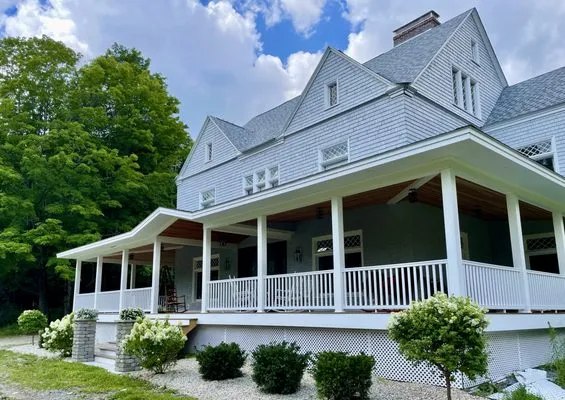
Maple Hill Nursery & Green Houses
Maple Hill Nursery & Greenhouses has been a trusted resource for the Monadnock region since 1984. For over 30 years, this Swanzey, NH business has combined a vast selection of quality nursery stock an...
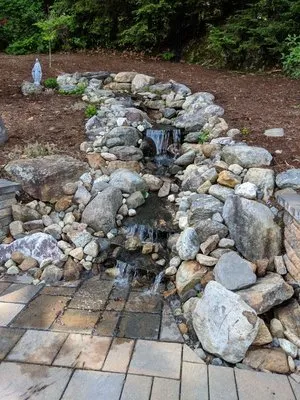
Key Landscape & Irrigation was founded in Keene by a local graduate of Keene High School who served as a US Air Force crew chief before earning a degree in Landscape Operations from UMASS Amherst. Sta...
Estimated Landscaping Service Costs in Richmond, NH
FAQs
Should we use local granite or pressure-treated wood for our new patio?
Local granite fieldstone outperforms wood with 50+ year lifespan versus wood's 15-year replacement cycle in Zone 5b freeze-thaw conditions. Granite's thermal mass reduces frost heave risk by 70% compared to wooden structures on high water table soils. For Moderate Fire Wise rated zones, granite provides non-combustible defensible space within 30 feet of structures, meeting 2026 WUI standards. Permeable granite joints with 0.25-inch gaps allow 1.5 inches per hour infiltration, exceeding Richmond's 1.0 inch per hour runoff requirement for hardscapes over 100 square feet.
We have invasive Japanese knotweed spreading near our property line. How do we treat it safely?
Japanese knotweed requires glyphosate spot-treatment during late summer translocation periods, avoiding NH RSA 431:14 phosphorus limitation blackout dates from April 15-June 15. We inject herbicide directly into stems to prevent soil contamination in acidic glacial till. For 2.5-acre properties, we implement phased removal over three growing seasons, replacing invasives with Joe-Pye Weed colonies that naturally suppress regrowth. All treatments follow New Hampshire Department of Agriculture guidelines for protective gear and application distances from water features.
We need emergency storm cleanup to meet HOA compliance deadlines. What's your fastest response time?
Our electric maintenance fleet dispatches from Richmond Town Hall via NH-119 within 45-60 minutes during peak conditions. We prioritize routes avoiding downtown congestion zones while adhering to the 7:00 AM noise ordinance start time. For 2.5-acre properties, we deploy two crews with battery-powered chippers and rakes to clear debris within 4 hours. This schedule ensures compliance with Richmond Planning Board's 72-hour storm debris removal requirement for Wildland-Urban Interface zones.
My Richmond Center lawn has thin patches and poor drainage. Could this be related to the soil history?
Richmond Center properties built around 1984 have 42-year-old soil profiles in USDA Zone 5b. Acidic glacial till with pH 5.5-6.2 develops compacted layers over decades, reducing permeability to 0.5 inches per hour. This soil requires annual core aeration in early fall and 0.25 inches of compost topdressing to rebuild organic matter above 3%. Without these amendments, Kentucky bluegrass roots cannot penetrate beyond 2 inches during seasonal water table fluctuations.
How can I maintain my turf while following voluntary water conservation guidelines?
Smart soil moisture sensors programmed to 40-60% volumetric water content prevent overwatering acidic glacial till soils. These systems apply 0.75 inches weekly during ET peaks, keeping Kentucky bluegrass/fine fescue mixes at 3-inch height for drought resistance. Municipal water limits of 1.5 inches weekly are maintained through cycle-soaking schedules that reduce runoff on compacted layers. This approach preserves turf health while using 30% less water than traditional timer-based irrigation in Richmond's Zone 5b climate.
Our yard floods every spring. What drainage solutions work with Richmond's soil conditions?
High seasonal water tables in acidic glacial till require French drains with 4-inch perforated pipe at 18-inch depth, sloped 1% toward daylight outlets. Permeable local granite fieldstone dry creek beds increase surface infiltration rates from 0.5 to 2.0 inches per hour. These systems meet Richmond Planning Board runoff standards by capturing 90% of first-flush precipitation. For frost heave susceptibility, we install drain lines below the 36-inch frost line with clean stone backfill to prevent pipe deformation during freeze-thaw cycles.
Can we reduce lawn maintenance while supporting local ecology?
Replacing 30% of turf with Common Milkweed, New England Aster, and Joe-Pye Weed meadows reduces mowing frequency from weekly to monthly. These native perennials thrive in pH 5.5-6.2 soils without irrigation after establishment, cutting water use by 60%. Battery-powered equipment operates within 7:00 AM-9:00 PM noise restrictions while eliminating gas emissions. Canada Serviceberry hedges provide year-round structure, supporting 2026 biodiversity standards by hosting 42 native pollinator species unavailable in monoculture turf.
What permits and licenses are needed for regrading our 2.5-acre property?
The Richmond Planning Board requires erosion control permits for any grading disturbing over 1,000 square feet, with engineered plans showing 2:1 slope stabilization. New Hampshire Landscape Association-certified professionals must hold Site Work Contractor licenses for projects moving more than 50 cubic yards of material. On 2.5-acre lots, this typically involves 200+ cubic yards requiring Department of Environmental Services wetland impact review if within 100 feet of water features. All contractors must carry $2 million liability insurance and follow NHLA best practices for soil compaction testing below 95% Proctor density.
