Top Landscaping Services in Raymond, NH, 03077 | Compare & Call


Golf Course Lawns brings professional-grade turf management to Raymond, NH, and the surrounding area. Founded in 2011 by Fred Cheney, a former Golf Course Superintendent at Wentworth by the Sea, the c...
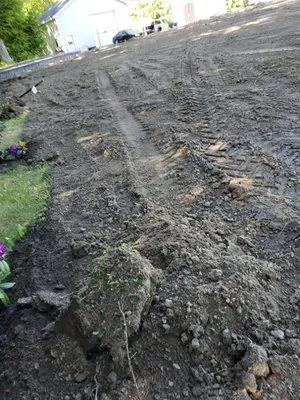
American Landscape is a Veteran-owned and operated landscaping company proudly serving Raymond, NH. Founded on the principles of discipline and attention to detail cultivated during military service, ...

J&D Services is Raymond's trusted, locally-owned provider for year-round property care, specializing in professional lawn care and reliable snow removal. We understand the specific challenges of maint...
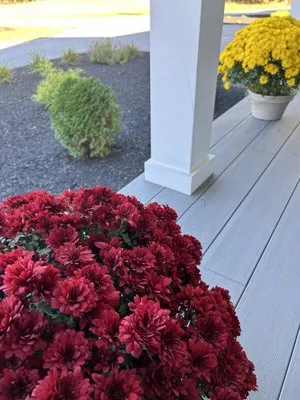
Scenic Nursery & Landscaping in Raymond, NH, is a locally owned garden center and nursery situated along the scenic Lamprey River. We are a full-service destination for homeowners and gardening enthus...
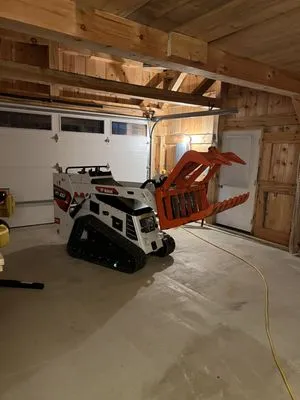
Joshua Tree Services is a veteran-owned and operated business proudly serving Raymond and the surrounding New Hampshire communities. With a decade of hands-on experience, we specialize in professional...
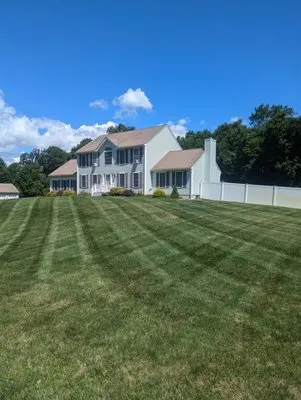
Darisse Landscape Maintenance is your local, year-round partner for landscaping and property care in Raymond, NH. We are a fully insured family business dedicated to enhancing and maintaining the natu...
LaBrie Property Maintenance and Landscaping
For over three decades, LaBrie Property Maintenance and Landscaping has been a trusted, family-run business serving Raymond and the surrounding Southern New Hampshire communities. Founded in 1988 by b...
All Phase Paving & Excavating
All Phase Paving & Excavating is a trusted, family-run business serving Raymond and Southern New Hampshire since 2003. With roots in the industry dating back to the early 1990s, owner Rob brings over ...

Littlewoods
Littlewoods Landscaping has been a trusted local presence in Raymond, NH, for over 20 years. Our dedicated team of professionals provides a comprehensive range of services, from initial excavation and...
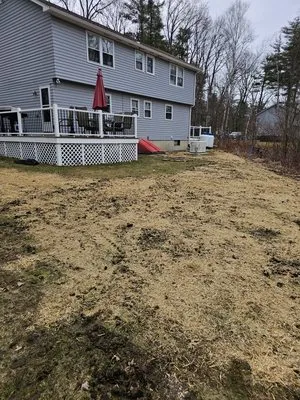
Dream Yards is a trusted lawn care provider serving Raymond, NH, dedicated to transforming local landscapes into healthy, vibrant outdoor spaces. We specialize in comprehensive lawn care services that...
Questions and Answers
How do I handle invasive plants without chemical overuse?
Japanese knotweed and garlic mustard present the highest invasive risks in Raymond, requiring mechanical removal before seed set in early summer. Spot treatment with glyphosate alternatives avoids violating New Hampshire's phosphorous application restrictions under RSA 431:13. We schedule applications outside blackout dates while incorporating mycorrhizae inoculants to strengthen native plant competitiveness. Regular monitoring prevents reestablishment, particularly along property edges where invasives typically enter from adjacent woodlands.
Are there alternatives to constant mowing and blowing?
Transitioning high-maintenance turf areas to native plantings like highbush blueberry, eastern redbud, Joe-Pye weed, and sensitive fern reduces weekly mowing requirements. These species thrive in Raymond's acidic soil without supplemental irrigation once established, creating habitat corridors that support 2026 biodiversity standards. Electric equipment operates quietly within noise ordinance hours while eliminating emissions. This approach cuts maintenance time by 60-70% and provides seasonal interest through blooms, berries, and foliage.
Which holds up better in New Hampshire winters: granite or wood?
Granite cobblestone outperforms wood in durability, withstanding freeze-thaw cycles for 50+ years versus wood's 10-15 year lifespan in Raymond's climate. Concrete pavers provide intermediate longevity with lower initial cost. Both materials support Raymond's moderate Wildland-Urban Interface fire rating by creating defensible space without combustible organic matter. Proper base preparation with 6-8 inches of compacted gravel prevents frost heave damage, while permeable installations reduce runoff volume by 40-60% compared to solid surfaces.
What permits are needed for regrading my half-acre lot?
The Raymond Planning Department requires erosion control permits for any grading disturbing more than 1,000 square feet on 0.50-acre properties. New Hampshire Landscape Association licensing ensures contractors understand soil compaction standards and drainage regulations specific to acidic sandy loam. Unlicensed grading often creates improper slopes that direct water toward foundations or neighboring properties. Professional assessment determines whether engineered solutions are needed to manage the high water table while maintaining positive drainage away from structures.
Why does my Raymond Village lawn struggle despite regular care?
Properties in Raymond Village built around 1979 have acidic sandy loam soil that has matured for 47 years, developing compaction from decades of foot traffic and equipment use. This soil type naturally has low organic matter and poor water retention at pH 5.5-6.2. Core aeration every 2-3 years with compost topdressing introduces organic amendments that improve soil structure and microbial activity. Without this intervention, Kentucky bluegrass roots cannot access sufficient nutrients or moisture during dry periods.
Should I worry about water restrictions affecting my lawn?
Raymond's Stage 0 water status currently permits irrigation, but Wi-Fi ET-based weather sensing systems proactively adjust schedules to municipal limits. These controllers calculate evapotranspiration rates specific to your property's microclimate, delivering precise moisture to Kentucky bluegrass and fine fescue mixes only when needed. This technology typically reduces water usage by 25-40% compared to traditional timers while maintaining turf health. Regular system audits ensure optimal distribution and prevent runoff violations.
What causes persistent puddling in my yard each spring?
Acidic sandy loam soils in Raymond experience high seasonal water tables and frost heave, creating temporary impermeable layers that trap surface moisture. Installing French drains with clean stone aggregate improves subsurface drainage away from foundations. Permeable granite cobblestone or concrete paver installations meet Raymond Planning Department runoff standards by allowing 80-95% of precipitation to infiltrate naturally. These solutions prevent soil saturation that damages turf roots and hardscape foundations.
How quickly can you respond to storm damage for HOA compliance?
Emergency cleanup crews dispatch from Raymond Town Common via NH-101, arriving at Raymond Village properties within 20-30 minutes during peak response times. We prioritize safety assessments of downed limbs and structural hazards before beginning systematic debris removal. Our electric maintenance fleet operates within the 7:00 AM to 9:00 PM noise ordinance window while providing sufficient power for immediate cleanup operations. This rapid response prevents secondary damage and maintains community standards.
