Top Landscaping Services in Nottingham, NH, 03077 | Compare & Call
There are 164 landscaping companies server in Nottingham NH
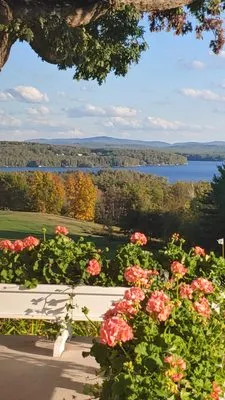
BOS Property Solutions
BOS Property Solutions is a family-owned and operated business rooted in the heart of Barnstead, NH. Founded on a genuine passion for plants and the outdoors, we've grown from a small local venture in...
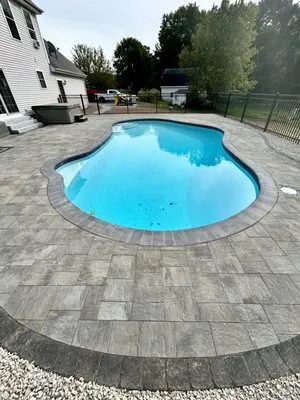
Perfect North Hardscapes is the dedicated hardscaping division of Perfect North Lawncare, LLC, serving Concord, NH, and surrounding areas with over 18 years of industry experience. As a fully insured ...

Leaf It To Me is a professional lawn and landscape care service based in Bow, NH, dedicated to enhancing the beauty and health of commercial properties. We focus on providing tailored maintenance plan...
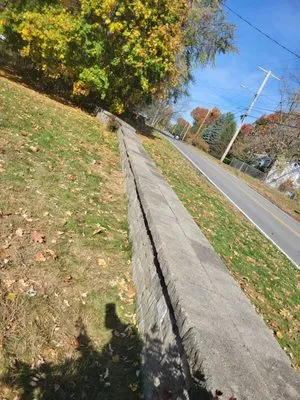
American Wall and Patio is a Hudson-based landscaping and masonry company founded in 2004 by an owner who started mowing lawns in 1993. Frustrated by large companies that treated customers as account ...

Grass Gobblers is a family-owned lawn care and landscaping service proudly serving Londonderry, NH, and the surrounding communities since 2012. We understand the specific challenges of local lawns and...
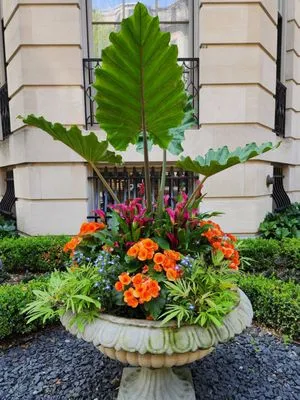
Painted Fern Gardening is a local gardening and landscaping service in Epping, NH, founded by Susannah and Dylan, who bring over 30 years of combined horticultural experience and a NH landscaper profe...
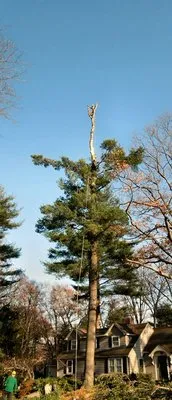
ASC Tree Service brings over 25 years of professional tree care experience to Derry, NH. Owner's expertise began in Washington State's logging industry, learning lot clearing and equipment operation f...
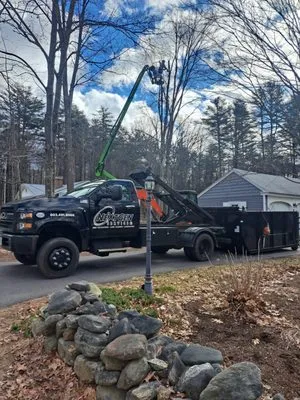
NextGen Services is a licensed and bonded excavation company based in Suncook, NH, specializing in excavation, landscaping, and tree services. We handle everything from soil backfilling and land clear...
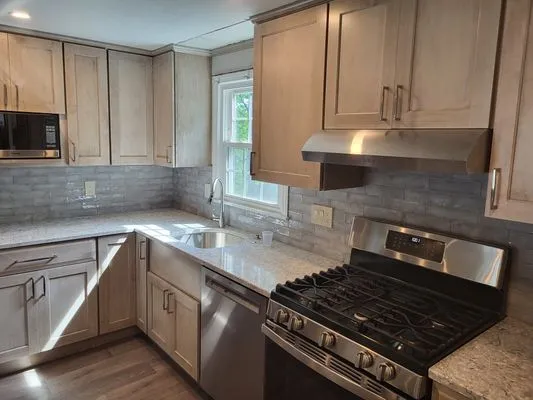
DMH Properties is a Hudson-based landscaping, tiling, and general contracting company serving Hillsborough County. We specialize in comprehensive outdoor solutions, from earthmoving and irrigation con...
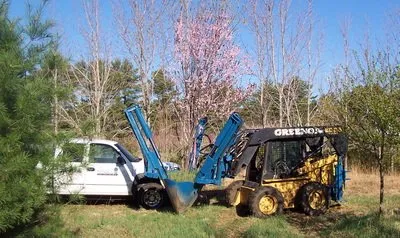
Greeno Tree Spade Service has been Hudson's trusted tree relocation specialist since 1986, serving New England with expertise in transplanting large trees up to 50 feet tall. We help homeowners and bu...
Estimated Landscaping Service Costs in Nottingham, NH
Q&A
Can I maintain Kentucky Bluegrass during Stage 1 water restrictions?
Smart Wi-Fi soil moisture sensors optimize irrigation by measuring actual soil conditions rather than following fixed schedules. These controllers adjust watering based on evapotranspiration rates and precipitation data, reducing water use by 20-40% while preserving turf health. For Kentucky Bluegrass and Fine Fescue mixes, deep, infrequent watering encourages deeper root growth that withstands dry periods. This approach maintains turf quality while staying within voluntary conservation guidelines through precise moisture management.
Why choose granite over wood for patios in wildfire-prone areas?
Local granite provides superior longevity and fire resistance compared to wood, with a lifespan exceeding 50 years versus 10-15 years for pressure-treated lumber. In Nottingham's Moderate Wildland-Urban Interface rating, non-combustible materials like granite create defensible space around structures. Permeable granite pavers also manage stormwater more effectively than impervious surfaces, reducing runoff volume. The material's thermal mass moderates temperature extremes, and its natural appearance integrates seamlessly with New Hampshire's geological character.
How quickly can you respond to storm damage for HOA compliance?
Emergency cleanup crews dispatch from Nottingham Town Hall via NH-152, arriving within 45-60 minutes during peak response times. This routing prioritizes access to Nottingham Square while accounting for traffic patterns. Teams carry electric chainsaws and battery-powered blowers to comply with daytime noise ordinances (7am-9pm) while clearing fallen branches and debris. Immediate documentation for insurance claims begins upon arrival, with priority given to safety hazards like blocked driveways or damaged structures.
Why does my Nottingham Square lawn struggle despite regular care?
Properties built around 1988 have soil that has matured for approximately 38 years, developing compaction layers from decades of foot traffic and equipment use. Nottingham Square's acidic sandy loam soil (pH 5.5-6.2) naturally loses organic matter over time, reducing water retention and nutrient availability. Core aeration every 2-3 years breaks up compaction, while adding compost or aged manure increases organic content to support healthy root systems. This addresses the underlying soil structure issues common in neighborhoods with similar development timelines.
What solutions work for seasonal saturation in sandy loam soil?
Nottingham's high water table and seasonal saturation require permeability-focused solutions. Local granite and permeable pavers allow water infiltration while meeting Nottingham Planning & Zoning Department runoff standards. French drains with clean stone aggregate redirect subsurface water away from foundations, and dry creek beds with native stone manage surface flow during heavy rains. These systems work with the soil's natural drainage characteristics rather than against them, preventing erosion and foundation issues common in areas with similar hydrogeology.
What permits and licensing are needed for grading a 2-acre lot?
Grading work on 2-acre lots requires Nottingham Planning & Zoning Department approval for erosion control and stormwater management plans. New Hampshire Landscape Association certification ensures contractors understand state BMPs for soil disturbance near wetlands. Licensed professionals carry insurance covering potential drainage impacts on neighboring properties, and they file necessary documentation with the state's DES. This protects homeowners from liability while ensuring work meets current environmental standards for large-scale earth moving in sensitive hydrological areas.
What low-maintenance alternatives exist for large turf areas?
Replacing high-maintenance turf with native plantings like Highbush Blueberry, Sweet Fern, Winterberry, and New England Aster reduces water needs by 75-90%. These species support local pollinators while requiring minimal care once established. Electric maintenance equipment operates quietly within noise ordinance parameters, and native plantings naturally resist pests without chemical interventions. This approach creates habitat corridors that exceed 2026 biodiversity standards while reducing long-term maintenance costs and resource consumption.
How do I control invasive species without violating fertilizer regulations?
Early detection and mechanical removal prevent invasive species establishment while avoiding chemical treatments that might conflict with phosphorus reduction BMPs near wetlands. For persistent issues like Japanese knotweed or garlic mustard, targeted spot treatments using EPA-approved herbicides follow state guidelines and application windows. Soil testing determines actual nutrient needs before any amendment, preventing unnecessary fertilizer use. This integrated approach manages invasives while protecting Nottingham's aquatic ecosystems from nutrient runoff.
