Top Landscaping Services in Northwood, NH, 03261 | Compare & Call
There are 163 landscaping companies server in Northwood NH
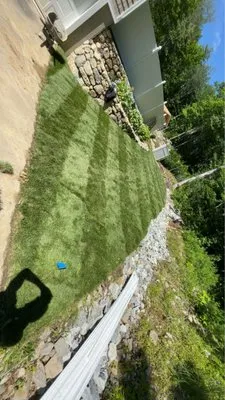
R J Mici Landscaping is a full-service landscaping and excavation company serving Gilmanton, NH, and the surrounding areas. With expertise in excavation, landscape construction, hardscaping, snow remo...
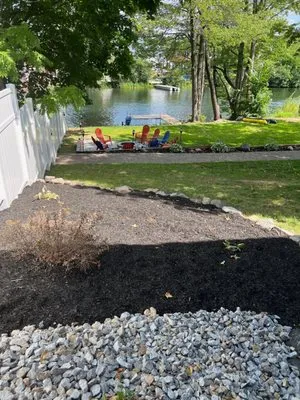
3 in 1 Property Services is a locally-owned and operated company in Laconia, NH, dedicated to comprehensive property care for the Lakes Region. With an ISA Certified Arborist on staff, we bring expert...
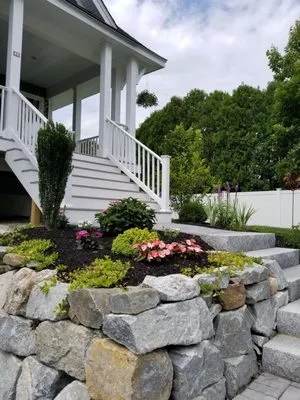
McGowan Landscape is a Nottingham-based landscaping company dedicated to enhancing local outdoor spaces with practical, sustainable solutions. We specialize in addressing common area challenges like p...
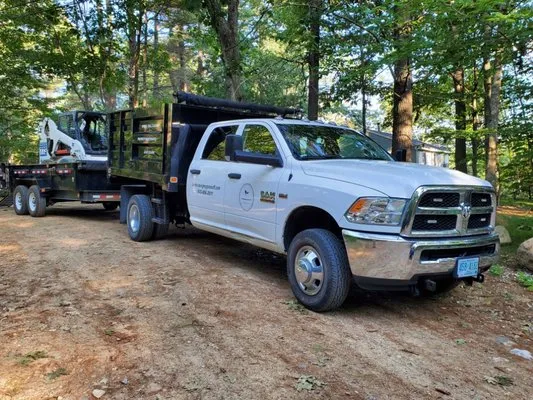
Landscaping My Grass Off is a full-service landscaping company serving Barnstead, NH, and the surrounding area. We specialize in comprehensive property solutions, from initial design and construction ...

Turf Plus Land Management is a dedicated lawn care provider serving Barrington, NH, and the surrounding Seacoast region. We specialize in addressing the specific landscaping challenges faced by local ...
Better Then You is a Rochester, NH landscaping company dedicated to solving the common local issues of patchy lawn grass and poor lawn grading. We specialize in comprehensive lawn care and grading ser...
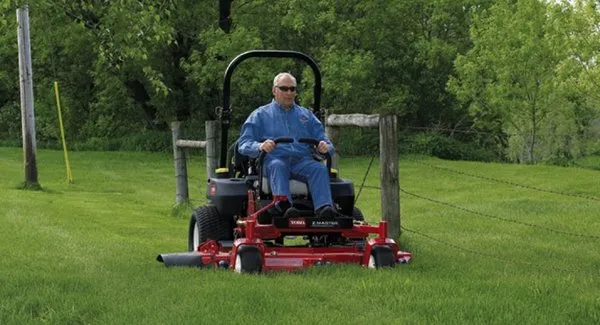
R3J Landscapes is a dedicated, locally-owned operation serving Alton Bay and the surrounding New Hampshire communities. We provide a comprehensive range of services to manage your property year-round,...
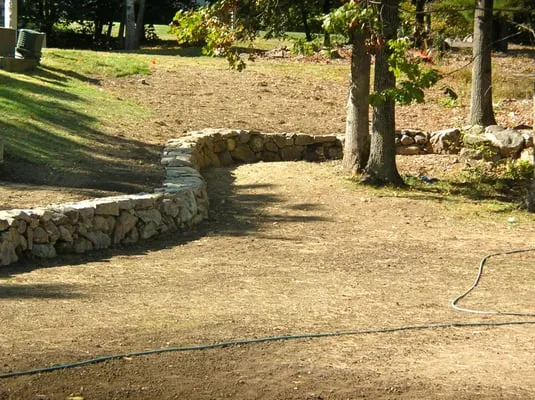
For over three decades, Juniper Hill Landscaping has been a trusted family-run business in Barrington, New Hampshire. Founded in 1986 by Maurice ""Mo"" Guimond, the company brings a creative and hands...
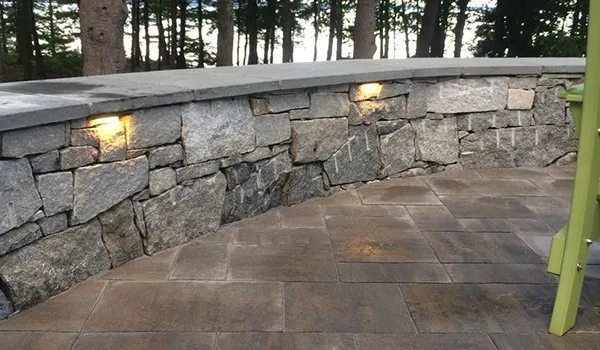
Great Cove Landscaping is a full-service landscaping company serving Lee, NH, and the surrounding Seacoast area. We specialize in solving common local landscaping challenges like inefficient irrigatio...
For over two decades, K & K Landscape Supplies has been a trusted partner for Epsom homeowners, contractors, and farmers. We're more than a supplier; we're your local resource for transforming outdoor...
Estimated Landscaping Service Costs in Northwood, NH
FAQs
What permits and credentials should I verify before hiring for a major grading project?
Any significant earthwork on a 1.5-acre lot requires checking credentials with the New Hampshire Landscape Association and the NH Secretary of State for business licensing. The Northwood Building & Planning Department mandates permits for projects altering drainage patterns or involving over 50 cubic yards of cut/fill. Hiring a licensed professional ensures the work meets town erosion control and wetland protection ordinances, preventing costly violations.
How do I keep my Kentucky Bluegrass lawn healthy without wasting water?
Smart Wi-Fi soil moisture sensor controllers are the standard for efficient irrigation in Zone 5b. These systems apply water based on actual evapotranspiration (ET) and soil conditions, not a fixed schedule. This prevents overwatering, conserves municipal resources under Stage 0 restrictions, and promotes deeper root growth. Properly calibrated, this technology maintains turf health while using significantly less water than traditional timer-based systems.
My yard is soggy in spring and cracks in summer. What's the solution?
This indicates the high seasonal water table and frost heave susceptibility of Northwood's sandy loam. Improving subsurface drainage is critical. We recommend installing French drains lined with crushed stone, a permeable material that facilitates water movement. For patios or paths, using granite cobblestone set in a gravel base meets Northwood Building & Planning Department runoff standards by allowing precipitation to percolate into the soil, reducing surface water.
Is there a lower-maintenance, eco-friendly alternative to my traditional lawn?
Yes, transitioning areas to a xeriscape with native plants like Highbush Blueberry, Sweet Fern, and Little Bluestem drastically reduces water, mowing, and chemical inputs. These plants are adapted to the local acidic soil and climate, supporting pollinators and biodiversity. This approach also future-proofs your property against evolving noise ordinances that restrict gas-powered equipment and aligns with 2026 ecological landscaping standards.
Why does my lawn struggle in Northwood Center compared to newer developments?
Your 1982-built property has soil approximately 44 years in development. The prevalent acidic sandy loam, common in this neighborhood, has become compacted and nutrient-depleted over decades. This leads to poor water infiltration and root development. Annual core aeration and incorporating 1-2 inches of composted organic matter are essential to rebuild soil structure and biology for healthy plant growth.
Are granite and crushed stone better than wood for patios and walls here?
In Northwood's climate and with a Moderate Fire Wise rating, inorganic materials like granite cobblestone and crushed stone are superior. They are non-combustible, contributing to defensible space in WUI Zone 2. Unlike wood, they resist frost heave damage, do not rot, and require no chemical treatments. Their longevity and permeability also make them a compliant, low-maintenance choice that integrates well with the native landscape.
How quickly can a crew respond for an emergency storm cleanup to meet HOA deadlines?
For urgent compliance, our dispatch from Northwood Town Hall prioritizes routes via NH Route 4 to minimize travel through residential corridors. With standard peak traffic, a dedicated crew can typically be on-site in Northwood Center within 45-60 minutes. We coordinate with electric fleet operators to ensure compliance with the 9:00 PM noise ordinance during extended cleanup operations.
What should I do about invasive plants like Japanese Knotweed without harming my soil?
Early identification and persistent management are key for invasives. For many species, careful, repeated cutting or targeted herbicide application in late summer is effective. All treatments must comply with the NHDES Shoreland Protection Act, which prohibits phosphorus fertilizer and regulates near-water applications. We use soil-health-focused methods, such as solarization or organic smothering with cardboard and mulch, to avoid contaminating the sensitive sandy loam.
