Top Landscaping Services in Newbury, NH, 03255 | Compare & Call
There are 114 landscaping companies server in Newbury NH

Nasons Property Maintenance is a trusted local provider in Farmington, NH, specializing in comprehensive lawn care and snow removal services. We help Farmington homeowners tackle common landscaping ch...
Based in Wilmot, New Hampshire, Complete Land Organics provides specialized organic lawn care services grounded in a scientific, site-specific approach. The process begins with a comprehensive Organic...

J&M Handyman Service is a locally owned and operated team founded by lifelong New Hampshire residents, best friends who combined their deep-rooted experience to serve the Henniker community. With a li...
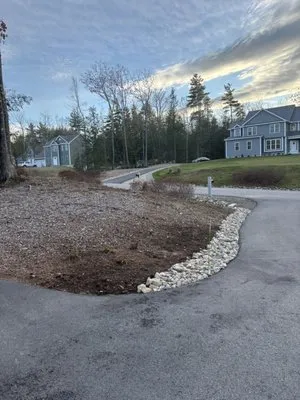
Viner Landscape is a New Boston, NH-based landscaping and snow removal company with nearly five years of experience serving the local community. We specialize in year-round services including landscap...

603 Total Property Solutions is a full-service property care and disposal company serving Dunbarton and the surrounding areas. We help homeowners tackle common local landscaping challenges, like dying...
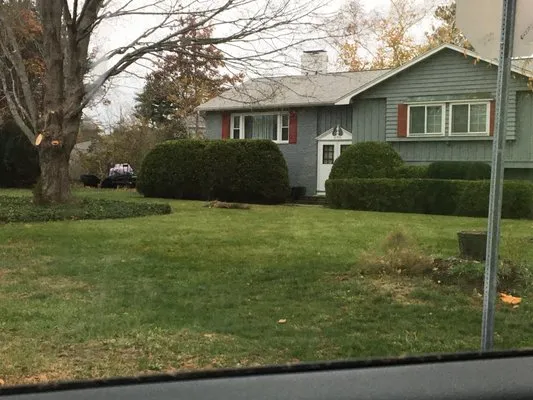
Perfect Touch Lawn Care & Design
Perfect Touch Lawn Care & Design brings two decades of dedicated landscaping experience to every property in Portsmouth, NH. Our work is guided by a commitment to precision and a deep understanding of...
Darcy Landscaping is a trusted, locally-owned landscaping company serving New Ipswich, NH, and the surrounding Monadnock Region. We specialize in comprehensive shrub care and landscape health, directl...

TJB Landscape Services is your local Peterborough, NH, partner for maintaining a healthy, vibrant outdoor space. We specialize in irrigation repair and maintenance, a crucial service for our region wh...
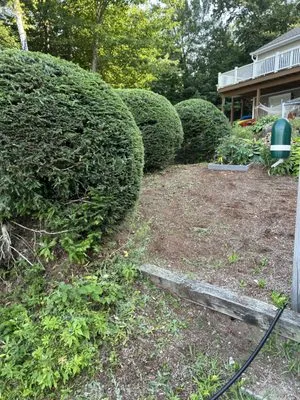
WRF Landscaping is a family-owned and operated lawn and tree service provider based in Keene, New Hampshire. With over 40 years of experience, we specialize in delivering reliable property maintenance...
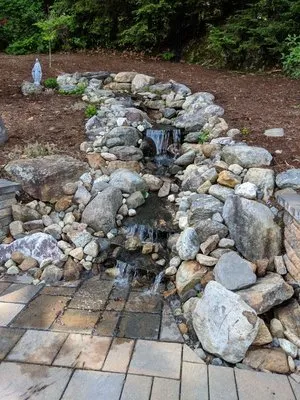
Key Landscape & Irrigation was founded in Keene by a local graduate of Keene High School who served as a US Air Force crew chief before earning a degree in Landscape Operations from UMASS Amherst. Sta...
Estimated Landscaping Service Costs in Newbury, NH
FAQs
Why does my Newbury lawn struggle with compaction and poor drainage despite regular care?
Properties in the Mount Sunapee Area built around 1984 have acidic sandy loam soils that are now 42 years mature. This soil type naturally compacts over decades, reducing permeability and creating seasonal runoff issues. Core aeration with organic amendments like composted pine bark improves soil structure by increasing pore space for water infiltration. Regular soil testing every 2-3 years monitors pH levels to maintain the optimal 5.5-6.2 range for local turf and native species.
Why choose granite over wood for durable, fire-resistant hardscaping?
New Hampshire granite pavers offer superior longevity with minimal maintenance compared to wood structures that require annual treatment. Granite's non-combustible properties support Moderate Fire Wise Zone 2 compliance by creating defensible space around structures. Proper installation with 4-inch compacted gravel bases prevents frost heave damage while providing permanent pathways that withstand Newbury's freeze-thaw cycles without deterioration or fire risk.
Can I maintain healthy turf while conserving water under current restrictions?
Newbury's Stage 0 water status allows flexible irrigation, but soil-moisture sensor bypass systems provide optimal conservation. These systems measure actual soil conditions rather than operating on fixed schedules, reducing water use by 30-40% while preserving Kentucky Bluegrass and Fine Fescue health. Properly calibrated sensors account for local evapotranspiration rates and soil percolation characteristics, ensuring turf receives precise hydration without exceeding municipal guidelines.
How can I reduce maintenance while supporting local biodiversity?
Replacing high-maintenance turf areas with Sugar Maple, Highbush Blueberry, Eastern White Pine, and Joe-Pye Weed creates resilient landscapes that require minimal intervention. These native species establish deep root systems that improve soil structure and reduce irrigation needs by 60-70%. Transitioning to electric maintenance equipment aligns with evolving noise ordinance considerations while supporting 2026 biodiversity standards through habitat creation for pollinators and native wildlife.
How quickly can you respond to emergency storm damage cleanup for HOA compliance?
Emergency cleanup crews dispatch from Mount Sunapee State Park via I-89, arriving within 45-60 minutes during peak response times. This routing avoids typical congestion points while providing access to specialized equipment for fallen tree removal and debris management. Crews prioritize safety assessments before beginning cleanup operations to address immediate hazards while preparing documentation for HOA compliance requirements.
What solutions prevent seasonal runoff and frost heave damage on my property?
Acidic sandy loam soils in Newbury exhibit high frost heave susceptibility due to rapid freezing-thawing cycles. Installing permeable New Hampshire granite pavers with ¼-inch joints filled with angular gravel creates subsurface drainage channels that meet Planning & Zoning Department runoff standards. French drains wrapped in non-woven geotextile fabric provide additional protection by redirecting groundwater away from foundations while maintaining soil stability during seasonal transitions.
What permits and licensing requirements apply to major landscaping projects?
Grading work on 2.1-acre lots requires licensed professionals registered with the New Hampshire Secretary of State and certified by the NH Landscape Association. The Newbury Planning & Zoning Department mandates erosion control plans for any disturbance exceeding 5,000 square feet. Licensed contractors must demonstrate competency in soil stabilization techniques and compliance with Shoreland Protection Act provisions, particularly for properties within 250 feet of water bodies where additional restrictions apply.
What invasive species threaten Newbury landscapes and how should they be managed?
Japanese knotweed and glossy buckthorn present significant invasion risks in Mount Sunapee Area soils. Treatment requires careful timing outside NHDES Shoreland Water Quality Protection Act blackout dates near waterbodies. Mechanical removal followed by targeted glyphosate application during late summer dormancy prevents phosphorus runoff violations. Monitoring treated areas for 3-5 years ensures complete eradication while protecting established native plant communities from chemical drift.
