Top Landscaping Services in New London, NH, 03233 | Compare & Call
There are 64 landscaping companies server in New London NH
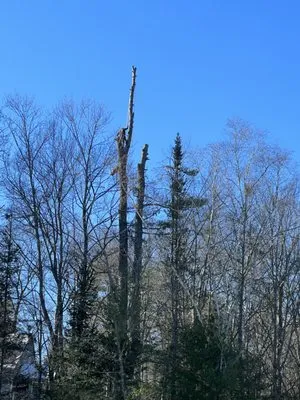
For over 35 years, Fox Tree and Landscape Services has been a trusted, family-run provider of tree care and landscaping in Enfield, NH, and the surrounding Upper Valley. Our focus is on delivering saf...

Lundy's Lawn Care is a trusted, full-service landscaping company serving Plainfield, NH, and the surrounding Upper Valley. We specialize in solving common local yard challenges, including poor drainag...

Crescent Lawn Services LLC in Cornish, NH, is a locally owned and operated lawn care business that brings over a decade of property maintenance experience to every job. Founded in 2022 by an owner who...

Regenerative Gardenworks
Regenerative Gardenworks is a Franconia-based landscaping, gardening, and painting company dedicated to transforming outdoor spaces with sustainable, durable solutions. We specialize in earthmoving, r...
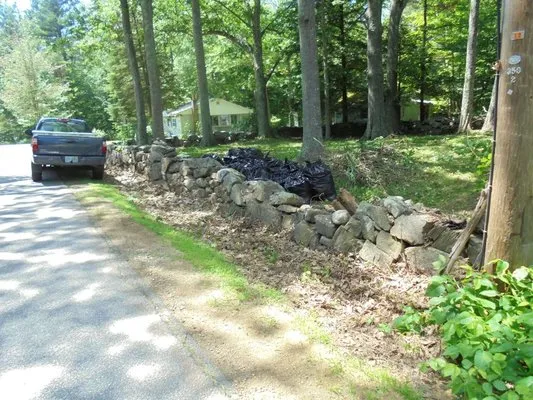
Bear River Property Services is Laconia's trusted landscaping partner, specializing in herbicide-free poison ivy removal and property restoration. We offer manual extraction methods that are highly ef...
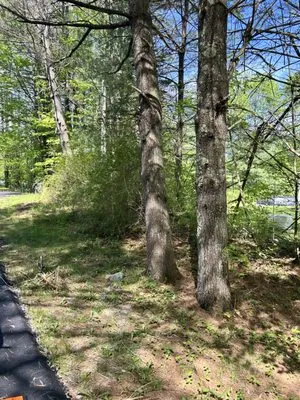
CT Property Solutions is your trusted local expert for comprehensive outdoor property care in Claremont, NH. Specializing in excavation, lawn care, construction site prep, and tree services, we tackle...
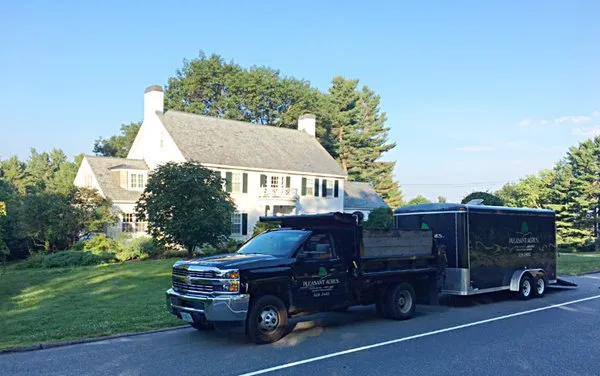
Pleasant Acres is a veteran-owned landscape, property maintenance, and snow & ice management company proudly serving Sunapee and New London, New Hampshire since 2001. We specialize in caring for the r...

Relax & Company is a comprehensive home service provider based in Newport, NH, serving the Lake Sunapee Region. We specialize in estate management, property care, and concierge services, offering a wi...
Bulldog Landscaping is your trusted local lawn care expert in Newport, NH. We build our reputation on a straightforward combination of proven expertise, reliable quality, and personalized attention. O...
Howard Construction is a trusted excavation and landscaping contractor serving Spofford, NH, and the surrounding region. We specialize in transforming challenging properties into functional and beauti...
Estimated Landscaping Service Costs in New London, NH
Question Answers
Can I maintain Kentucky Bluegrass during voluntary water conservation?
Wi-Fi ET-based weather sensing controllers adjust irrigation to actual evapotranspiration rates, typically reducing water use 25-40% compared to timer systems. Programming separate zones for Kentucky Bluegrass/Fine Fescue blends versus native planting beds prevents overwatering. During Stage 0 voluntary conservation, we recommend 0.75 inches weekly applied in two cycles before 10:00 AM to minimize evaporation loss while maintaining turf health.
What permits and licenses are needed for grading my 0.75-acre property?
Grading that alters more than 100 cubic yards of soil requires an erosion control permit from the New London Planning and Zoning Department. Contractors must hold New Hampshire Landscape Association certification or equivalent licensing through the NH Secretary of State for earthmoving operations. On 0.75-acre lots, professional oversight ensures compliance with setback requirements and prevents unintended impacts on neighboring drainage patterns in this hilly terrain.
How quickly can you respond to emergency storm damage for HOA compliance?
Our dispatch from Tracy Memorial Library via I-89 reaches most New London Village Center properties within 20-30 minutes during peak response windows. We maintain electric chainsaws and battery-powered debris handlers to operate within the 8:00 AM to 7:00 PM noise ordinance while clearing fallen limbs. For urgent situations, we prioritize access routes and coordinate with the New London Planning and Zoning Department regarding right-of-way permissions.
Should I replace high-maintenance turf with native plants?
Transitioning 30-50% of turf to Sugar Maple, Highbush Blueberry, and Little Bluestem reduces mowing frequency from weekly to seasonal while supporting 2026 biodiversity standards. Native plantings require no gas-powered blowers, aligning with evolving noise ordinance trends toward electric equipment. Purple Coneflower and Joe Pye Weed establish deep root systems that improve soil permeability and withstand drought periods better than non-native ornamentals.
What solutions exist for spring snowmelt pooling in my yard?
Poorly drained rocky glacial till creates high saturation zones during spring thaw. Installing French drains with clean ¾-inch stone wrapped in non-woven geotextile provides subsurface drainage without disturbing native soil structure. Using permeable granite pavers or local fieldstone for walkways meets New London Planning and Zoning Department runoff standards by allowing 8-12 inches per hour infiltration versus impervious surfaces.
Why does my New London Village Center lawn struggle despite regular care?
Properties built around 1958 have 68-year-old soil profiles that have become compacted and nutrient-depleted over time. New London's acidic sandy loam naturally loses organic matter through leaching, requiring core aeration every 2-3 years to improve soil percolation. Adding composted leaf mold or pine bark fines at 1-2 cubic yards per 1000 square feet will buffer the pH toward 6.0 while increasing water retention in this glacial till substrate.
Are granite pavers better than wood for long-term durability?
Granite pavers and local fieldstone offer 50+ year lifespans versus 10-15 years for pressure-treated wood in USDA Zone 5b freeze-thaw cycles. These non-combustible materials contribute to Moderate Fire Wise (WUI Zone 2) defensible space requirements by eliminating flammable organic matter near structures. Properly installed with polymeric sand joints, stone hardscapes resist frost heave better than wood or concrete in New London's rocky substrate.
How do I control invasive species near water without violating fertilizer rules?
Japanese knotweed and garlic mustard pose significant threats in New London's acidic soils. Manual removal before seed set in early spring avoids chemical treatments near water bodies where N-P-K fertilizers face restrictions. For persistent infestations, targeted glyphosate applications in fall when native plants are dormant comply with statewide labeling requirements. Always maintain a 25-foot buffer from wetland edges during any treatment.
