Top Landscaping Services in New Durham, NH, 03835 | Compare & Call
There are 137 landscaping companies server in New Durham NH
Boucher's Landscaping is a trusted, locally-owned service provider in Laconia, NH, specializing in year-round property care. We understand the unique challenges Laconia homeowners face, from persisten...
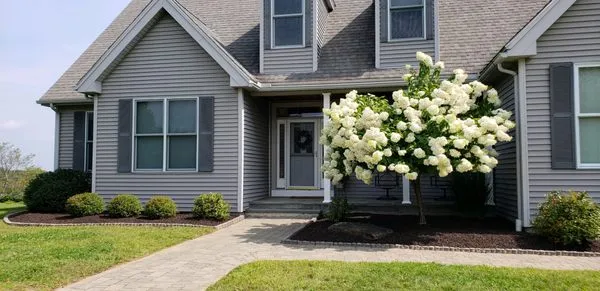
Magic Overnight Landscaping has been a trusted part of the Belmont, NH community since 2016, providing reliable, year-round care for both residential and commercial properties. The company's commitmen...
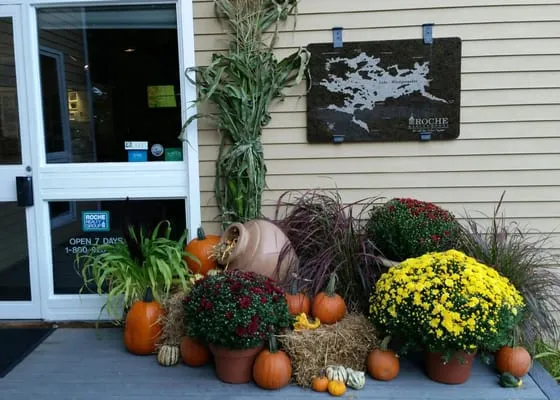
Breakthrough Property Services is a locally owned and operated landscaping and property maintenance company based in Meredith, New Hampshire. Founded with a commitment to enhancing residential propert...
Coffey & Son Landscaping is a family-owned and operated landscaping company serving Laconia, NH, and the surrounding Lakes Region. With deep roots in the community, we specialize in creating beautiful...
Rakin It in Landscaping is a trusted local provider in Laconia, NH, specializing in landscaping and snow removal services. We understand the common challenges Laconia homeowners face, such as persiste...
Shamrock Landscaping is a trusted local landscaping company serving Mirror Lake, NH, specializing in landscaping, masonry/concrete, and irrigation services. We help homeowners address common local iss...
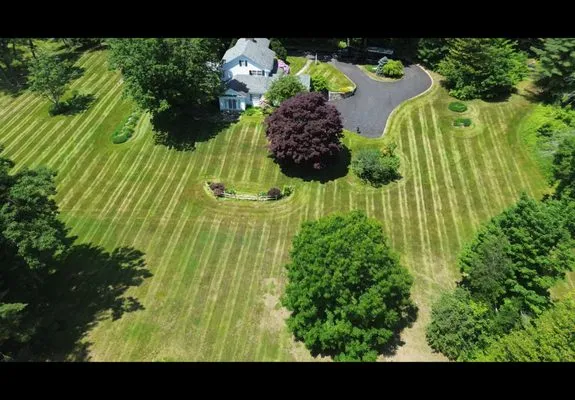
Tanglewood Property Services
Tanglewood Property Services is a trusted, locally-owned business in Moultonborough, NH, dedicated to keeping your property beautiful and functional year-round. We specialize in comprehensive lawn car...
R2 Property Management and Concierge Services
R2 Property Management and Concierge Services is a trusted local provider in Moultonborough, NH, specializing in comprehensive property management and maintenance for residential and commercial client...
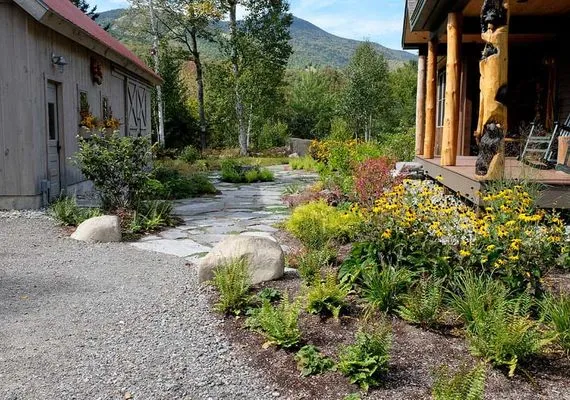
3 Lakes Landscaping is a Plymouth-based landscaping and property maintenance company founded in 2006 by owner Colby Lenentine. A New Hampshire native from Holderness, Colby grew up working with tracto...
Jones and Jones Property Services has been a trusted landscaping provider in Tilton, NH, since 2002. As a veteran-owned business, we specialize in comprehensive property care, including landscaping, t...
Estimated Landscaping Service Costs in New Durham, NH
Q&A
How quickly can you respond for an emergency tree cleanup after a storm?
For an emergency cleanup to meet HOA or safety compliance, our crews dispatch from near the New Durham Town Hall. Using NH-11, we can typically arrive within the 45-60 minute peak storm response window. This route allows for efficient access to most properties in the New Durham area, prioritizing debris removal to restore safe access and prevent further property damage.
Why do I need a licensed pro for regrading my 1.5-acre lot?
Regrading a 1.5-acre parcel in New Durham often triggers a review by the Planning & Zoning Department for compliance with erosion control and wetland protection statutes. The New Hampshire Landscape Association licensing ensures contractors understand these regulations and possess the bonding required for such scale of work. Improper grading can lead to significant runoff issues, neighbor disputes, and costly remediation orders from the town.
My yard stays soggy long after rain. What's a permanent solution for New Durham's high water table?
Seasonal saturation is common here due to the combination of a high water table and acidic sandy loam, which can have variable permeability. A graded French drain system tied to a dry well is often the most effective subsurface solution. For surfaced areas, using permeable installations of locally sourced granite pavers can significantly reduce runoff, helping projects meet the New Durham Planning & Zoning Department's stormwater management standards.
Why does my lawn in New Durham Village look thin and compacted compared to older neighborhoods?
Lots in New Durham Village were typically developed around 1986, giving the soil a 40-year maturity period. On acidic sandy loam, this duration allows for organic matter depletion and compaction from routine maintenance. Your soil likely requires core aeration and compost top-dressing to improve structure and water retention, counteracting the natural tendency of this soil type to become dense and nutrient-poor over decades.
Is granite or pressure-treated wood better for a patio in our climate?
Locally sourced granite pavers are superior for longevity and ecological function in Zone 5b. Unlike wood, granite requires no chemical treatments, won't rot, and has a lifespan measured in decades. For properties in Moderate Wildland-Urban Interface zones, the non-combustible nature of granite also contributes to defensible space. Its permeability, when installed correctly, manages runoff more effectively than solid wood decks.
I want to reduce mowing and gas equipment noise. What are my options?
Transitioning high-maintenance turf areas to a xeriscape with native plants is a forward-thinking solution. Species like Serviceberry, Wild Bergamot, and Common Milkweed are adapted to Zone 5b and acidic soils, requiring minimal watering and no weekly mowing. This shift not only conserves water but also aligns with evolving noise ordinances that may further restrict gas-powered blowers and mowers, while significantly enhancing local biodiversity.
What invasive species should I watch for, and how do I control them safely?
In New Durham, be vigilant for Japanese knotweed and glossy buckthorn, which thrive in disturbed soils. Manual removal and targeted, late-season application of glyphosate to cut stems can be effective. Any treatment must be part of a state-compliant nutrient management plan, which restricts phosphorus and dictates application blackout dates to protect local watersheds. Always prioritize methods that prevent soil disturbance and seed spread.
Can I have a healthy lawn with New Durham's voluntary water conservation in place?
Yes, a healthy Kentucky Bluegrass and Fine Fescue lawn is achievable under Stage 1 voluntary conservation. Smart Wi-Fi soil moisture sensor controllers are critical; they irrigate based on actual evapotranspiration (ET) and soil conditions, not a fixed schedule. This technology prevents overwatering, can preserve turf health while reducing water use by an estimated 30-40%. These controllers adjust schedules based on real-time soil moisture and evapotranspiration (ET) data, ensuring irrigation only occurs when necessary.
