Top Landscaping Services in Nashua, NH, 03060 | Compare & Call

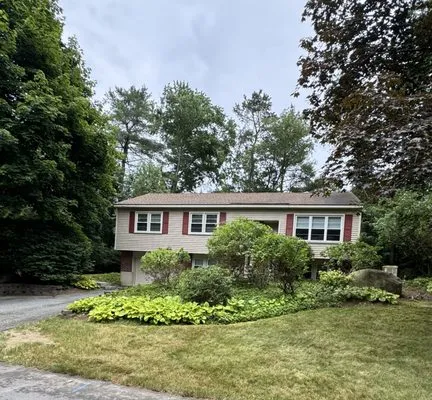
Castro Landscaping Services is a dedicated local provider in Nashua, NH, offering comprehensive care for your property. We specialize in addressing common Southern New Hampshire challenges like lawn m...
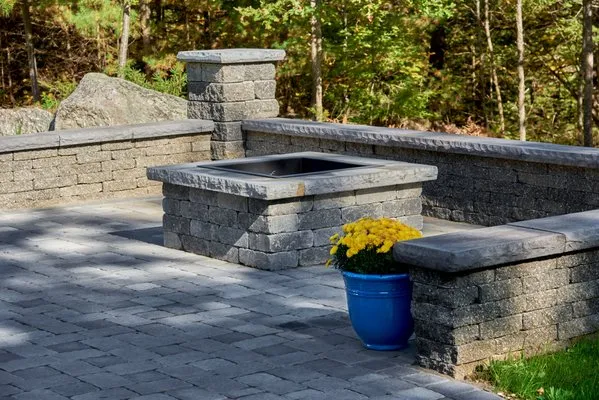
Daignault Property Service is a respected, full-service landscaping company serving residential and commercial clients in Nashua, NH, and the surrounding communities. We specialize in comprehensive pr...

Osgood Landscaping and Home Services is a trusted Nashua-based company providing comprehensive landscaping solutions for local homeowners. We specialize in addressing common Nashua landscaping challen...
Greatscapes by R&R Landscaping
Greatscapes by R&R Landscating is a Nashua-based company dedicated to building and maintaining beautiful, functional outdoor spaces for Southern New Hampshire homeowners. We specialize in a comprehens...
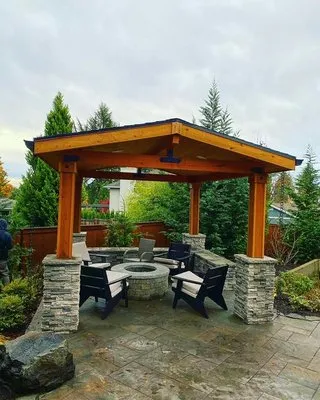
Summit Landscape Construction
Summit Landscape Construction is a licensed, certified landscape construction company based in Nashua, NH, dedicated to building durable and beautiful outdoor living spaces. We specialize in transform...
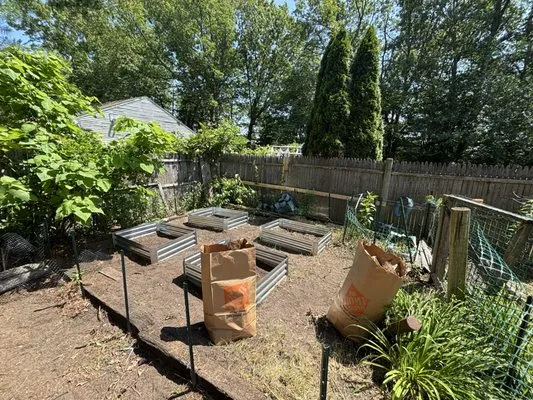
Louie's Lawncare LLC is a full-service landscaping company serving Nashua, NH, and the surrounding communities. We specialize in transforming and maintaining outdoor spaces, from routine lawn care and...
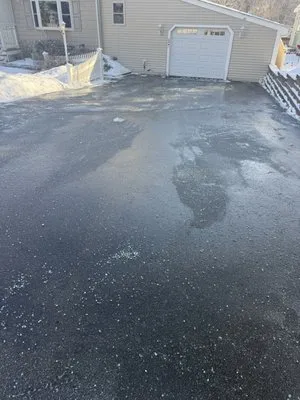
SNH Landscaping & Snow Services LLC is your local Nashua partner for year-round property care. We specialize in comprehensive landscaping, from design and installation to ongoing maintenance, and reli...

Birch Hill Landscaping is a trusted, full-service landscaping company serving Nashua, NH, and surrounding communities. We specialize in creating and maintaining beautiful, functional outdoor spaces th...
Top Notch Lawns is a trusted landscaping service in Nashua, NH, dedicated to creating and maintaining beautiful, healthy outdoor spaces for local residents. We understand that Nashua homeowners often ...
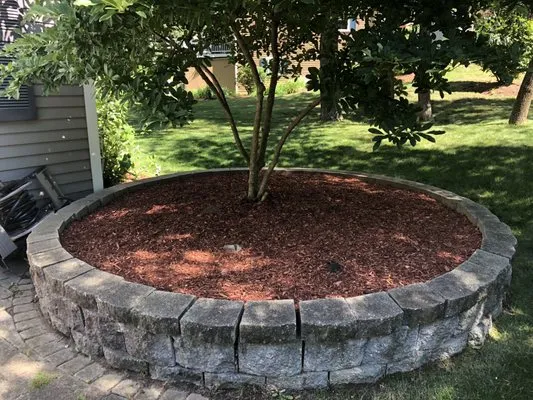
Bentley's Greenscapes is a trusted lawn care provider serving Nashua, NH, specializing in comprehensive lawn maintenance to address common local landscaping challenges. Many Nashua homeowners struggle...
Questions and Answers
How can I maintain Kentucky Bluegrass/Fine Fescue turf during Nashua's Stage 1 water restrictions?
Wi-Fi ET-based weather sensing irrigation calculates evapotranspiration rates specific to your 0.25-acre property, adjusting schedules to deliver 1-1.5 inches weekly during peak growth. This technology reduces water use by 25-40% compared to traditional timers while preserving turf health. The system automatically pauses during rainfall events and respects municipal conservation guidelines, ensuring compliance without compromising your lawn's drought tolerance in acidic sandy loam conditions.
Why choose granite over wood for patios in Nashua's climate?
Granite pavers withstand freeze-thaw cycles for 50+ years without deterioration, unlike wood's 10-15 year lifespan in Zone 6a's humid winters. The material's non-combustible properties enhance defensible space around structures, crucial for Nashua's low Firewise rating in urban/suburban interfaces. Granite's thermal mass moderates microclimate temperatures while crushed stone bases provide superior drainage, preventing frost heave damage common with wooden structures on high water table sites.
Why does my North End yard have such compacted, acidic soil that struggles to support healthy turf?
Nashua's North End neighborhood was largely developed around 1975, giving your soil approximately 51 years of maturation. Acidic sandy loam (pH 5.5-6.5) naturally compacts over decades, reducing permeability and root penetration. This soil type requires annual core aeration to improve oxygen exchange and organic amendments like compost to buffer acidity. Without these interventions, water infiltration decreases by 40-60%, exacerbating drainage issues common in USDA Zone 6a.
How do I control invasive species without violating New Hampshire's phosphorus restrictions?
Japanese knotweed and garlic mustard pose significant threats in Nashua's acidic soils. Manual removal during early growth stages prevents seed dispersal, while targeted organic herbicides (glyphosate-free) applied in fall minimize non-target impacts. These methods avoid phosphorus-containing products prohibited by state ordinance, instead using mycorrhizae inoculants to strengthen native plant competitiveness. Treatment timing respects local blackout dates while preventing invasive establishment in your 0.25-acre lot.
What permits and licensing are required for grading my 0.25-acre property?
The Nashua Planning and Zoning Department mandates erosion control permits for any grading exceeding 100 cubic yards of soil movement. Contractors must hold New Hampshire Landscape Association certification or NH Secretary of State business registration with landscaping endorsements. Professional licensing ensures proper slope stabilization techniques that prevent runoff into neighboring lots and municipal systems. Unlicensed grading risks fines up to $2,500 and voided property insurance for drainage-related damages.
What solutions prevent frost heave and seasonal water table issues in my yard?
Acidic sandy loam's poor drainage capacity worsens frost heave in USDA Zone 6a winters. Installing permeable granite pavers with crushed stone bases increases surface permeability by 70-80%, directing water away from foundations. These materials meet Nashua Planning and Zoning Department runoff standards while reducing soil saturation. For severe cases, French drains with proper grading create hydraulic pathways that mitigate high water table impacts during spring thaw periods.
How quickly can you respond to an emergency tree cleanup after a storm in the North End?
Our electric maintenance fleet can dispatch from Mine Falls Park within 15 minutes, using Everett Turnpike (US-3/I-293) for optimal routing. During peak storm conditions, arrival typically occurs within 20-30 minutes while adhering to Nashua's noise ordinance restrictions (8 PM-7 AM). This efficiency minimizes property damage risks and ensures HOA compliance for debris removal, with real-time traffic monitoring to maintain response reliability.
What native planting strategies reduce maintenance while supporting local ecology?
Replacing high-input turf with Common Milkweed, New England Aster, Joe-Pye Weed, and Little Bluestem creates a self-sustaining ecosystem requiring 80% less water and no chemical fertilizers. These natives support 2026 biodiversity standards by providing habitat for pollinators while eliminating gas-powered blower use during restricted hours. The deep root systems of these plants improve soil structure naturally, reducing erosion and aligning with Nashua's urban/suburban Firewise rating requirements.
