Top Landscaping Services in Milford, NH, 03031 | Compare & Call

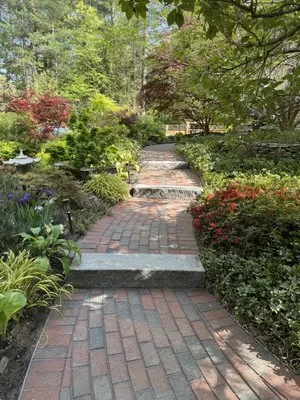
Riggins Hardscaping is a Milford-based landscaping and hardscaping company focused on creating durable, functional outdoor spaces for local residents. We specialize in custom hardscape installations l...
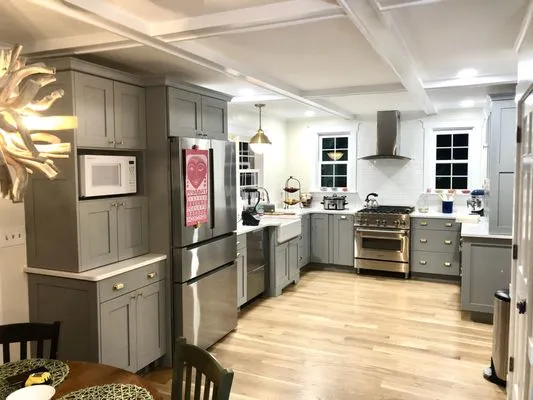
True South Designs is a Milford-based general contractor and design firm with over two decades of experience transforming Southern New Hampshire homes. Owner and spatial designer Sarah (or the princip...
Roberge Property Maintenance is a locally owned and operated business serving Milford, NH, and the surrounding area. We specialize in comprehensive property care solutions designed to keep your home l...
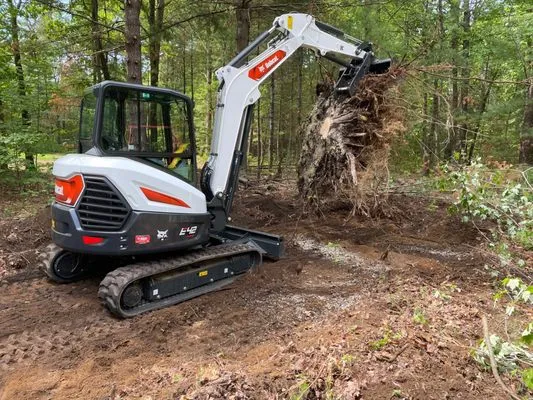
Stacy Outdoor Services is a trusted, family-owned landscaping and excavation company proudly serving Milford and surrounding New Hampshire communities. With over two decades of hands-on experience, wh...
N & D Yard Services is a family-owned property maintenance business serving Milford, NH, since 2017. We specialize in comprehensive landscaping solutions, including gardening, irrigation repair, lands...

KGL Landscape Construction is a trusted, locally-owned landscaping company serving Milford, NH, and surrounding communities. We specialize in solving the common local challenges homeowners face, such ...
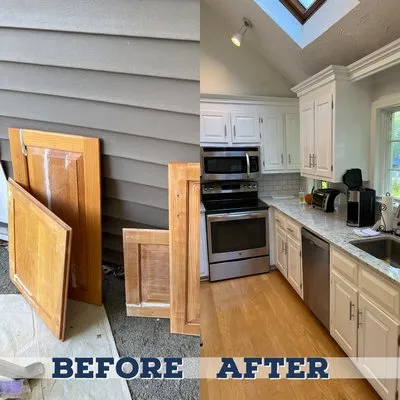
Lucabon is a trusted, full-service home improvement partner for Milford homeowners. We specialize in painting, pressure washing, and lawn care, providing integrated solutions that enhance and protect ...
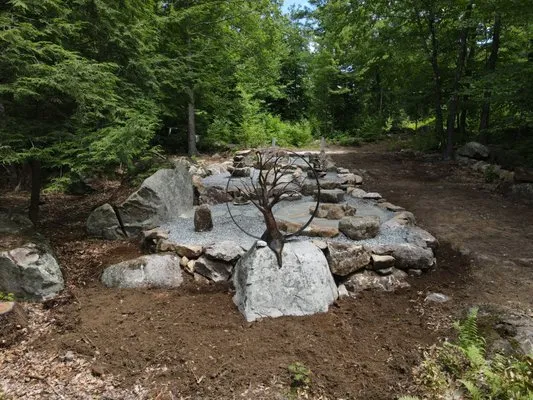
Patio Pros is a locally owned and operated hardscaping and landscaping company serving Milford, NH, and the surrounding area. We specialize in transforming underutilized outdoor spaces into functional...
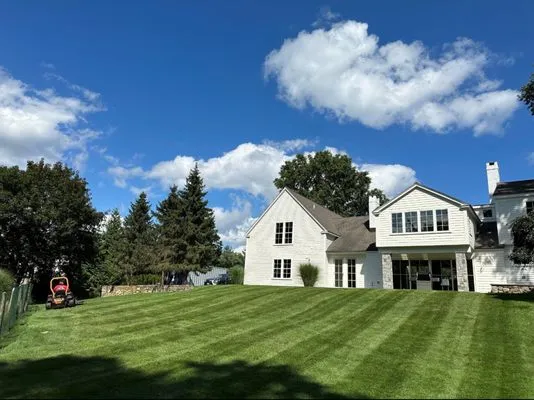
A+ Lawn Care, LLC is a Milford-based lawn service founded by teachers, bringing a dedicated, detail-oriented approach to every yard. We specialize in comprehensive lawn maintenance, including regular ...
Fitzpatrick Tree Service & Land Clearing is a trusted, locally-owned landscaping company serving Milford, NH, and the surrounding communities. We specialize in comprehensive tree care, including exper...
Q&A
Our Milford Oval neighborhood has older homes - why does our soil seem so compacted and acidic?
Milford Oval properties built around 1975 have 50-year-old soil systems that have matured through decades of foot traffic and minimal amendment. Acidic sandy loam (pH 5.5-6.5) naturally develops compaction layers that restrict root penetration and water infiltration. Core aeration with organic compost amendments addresses this by improving soil structure and microbial activity. The sandy component provides good drainage but requires regular organic matter additions to maintain fertility.
What low-maintenance native alternatives can replace high-input turf areas?
Transitioning to New England Aster, Joe-Pye Weed, Little Bluestem, and Common Milkweed creates self-sustaining ecosystems that require minimal intervention. These natives have evolved with New Hampshire's climate patterns and support local pollinator populations year-round. Their deep root systems improve soil structure and drought resistance beyond what turfgrass can achieve. This approach reduces maintenance frequency ahead of potential gas-powered equipment restrictions while providing continuous seasonal interest.
Our property experiences spring flooding and frost heave - what drainage solutions work with our soil type?
Acidic sandy loam's moderate permeability combined with Milford's high seasonal water table creates ideal conditions for frost heave and surface ponding. Permeable granite paver systems with crushed stone bases provide 30-40% void space for water infiltration while meeting Milford Community Development Office runoff standards. French drains should be installed 18-24 inches deep with proper geotextile separation to prevent soil migration. These systems work with the soil's natural drainage characteristics rather than against them.
We need emergency storm cleanup to meet HOA requirements - how quickly can you respond?
Emergency response from our Milford Town Hall dispatch point via NH Route 101 typically requires 20-30 minutes during peak conditions. Our electric maintenance fleet operates within Milford's 7:00 AM to 9:00 PM noise ordinance restrictions while providing immediate debris removal. We prioritize routes that avoid seasonal water table saturation areas to prevent equipment damage. This timing ensures compliance with most HOA 48-hour cleanup requirements following significant weather events.
How do we maintain our Kentucky Bluegrass/Fine Fescue mix during voluntary water conservation periods?
Smart Wi-Fi soil moisture sensors optimize irrigation by tracking evapotranspiration rates and soil water content in real-time. These systems apply water only when turfgrass reaches predetermined stress thresholds, typically reducing usage by 30-40% compared to traditional schedules. During Stage 0 voluntary conservation, this technology maintains turf health while staying well below municipal water allocation limits. The sensors particularly benefit acidic sandy loam soils that have variable water-holding capacity across different micro-zones.
What invasive species should we watch for, and how do we treat them safely?
Japanese knotweed and garlic mustard present significant threats in USDA Zone 5b, particularly in disturbed soils near established landscapes. Treatment requires careful timing outside New Hampshire's phosphorus application blackout periods for established turf. Mechanical removal followed by targeted organic herbicides applied during active growth phases proves most effective. Always verify treatment windows against state ordinance calendars to avoid violations while ensuring complete eradication of root systems.
Should we use granite or wood for our new patio considering fire safety concerns?
Granite pavers provide superior longevity and fire resistance compared to wood composites in Milford's moderate NFPA fire-wise zones. Their non-combustible nature supports defensible space requirements while withstanding freeze-thaw cycles better than organic materials. Crushed stone bases offer additional firebreak functionality without compromising drainage. This combination maintains permeability rates above 10 inches per hour while eliminating fuel sources within critical perimeter zones.
What permits and licensing are required for grading work on our 0.45-acre property?
Grading projects exceeding 100 cubic yards of soil movement require Milford Community Development Office review for erosion control and drainage compliance. New Hampshire Landscape Association licensing ensures contractors understand local frost depth requirements (42 inches minimum) and seasonal water table considerations. On 0.45-acre lots, proper licensing becomes critical as miscalculations can affect neighboring properties' drainage patterns. Always verify both permit approval and professional credentials before commencing earthwork.
