Top Landscaping Services in Lyndeborough, NH, 03043 | Compare & Call
There are 174 landscaping companies server in Lyndeborough NH
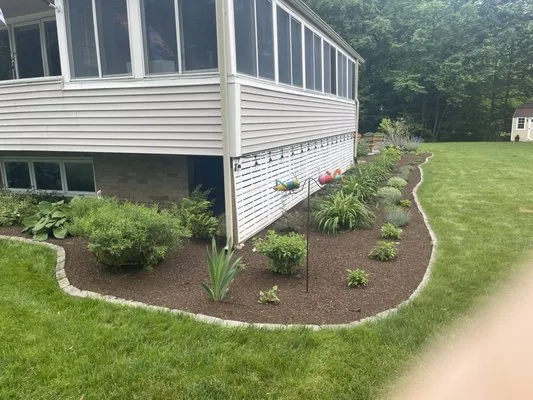
Ekstrom Lawn Care is a trusted, locally-owned landscaping company serving Amherst, NH, and the surrounding communities. Founded in 1997 by Jason Ekstrom, who started with a single push mower as a summ...
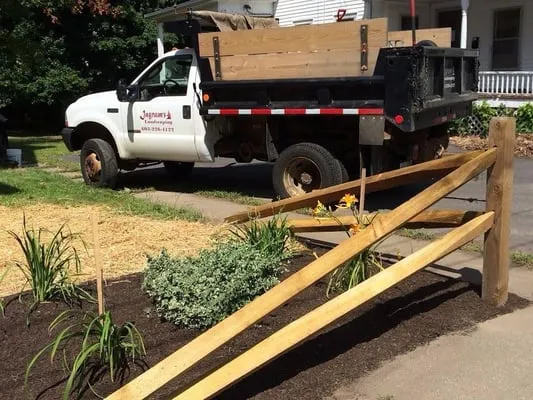
Ingram's Landscaping & Construction is a licensed, fully insured company serving Bow, NH, with decades of experience in both landscaping and construction. Founded by Tim, who has dedicated his life to...
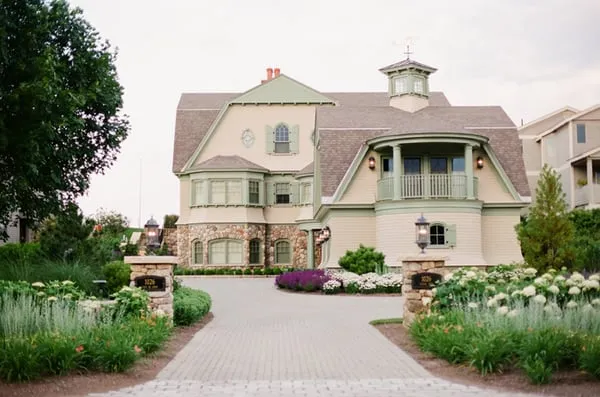
Bayberry & Co
Bayberry & Co. is a Hampton, NH-based landscape architecture and construction firm founded in 2008 by Principal Designer Justin White. We specialize in creating detailed, enduring outdoor environments...
Murphy's Lawn Care Service is a family-operated business dedicated to keeping New Boston properties beautiful and safe year-round. We provide comprehensive lawn care for residential and commercial cli...
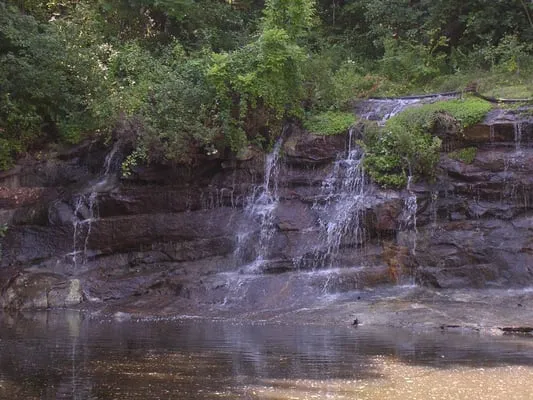
Shade Tree Landscaping has been Auburn's trusted local landscaping partner since 1996. Founded and operated by Scott Malo, a University of New Hampshire horticulture graduate, the company combines dee...
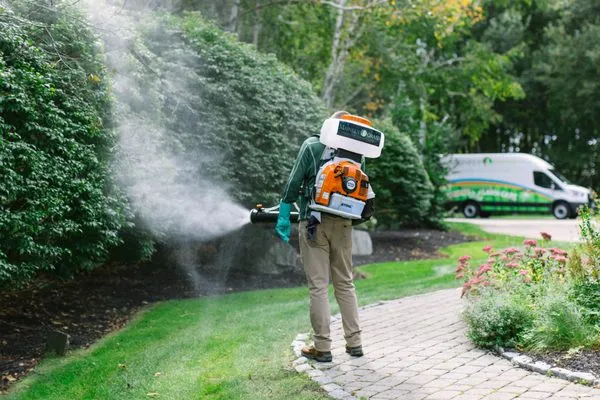
Mainely Grass is a Bedford, NH-based lawn service company dedicated to helping local homeowners achieve and maintain healthy, vibrant lawns. As New England lawn experts, we specialize in fertilization...
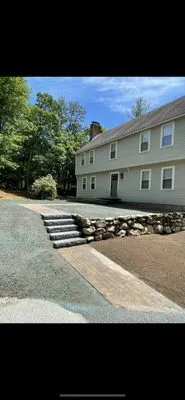
Pro Life Landscaping & Hardscaping
Pro Life Landscaping & Hardscaping is a Bedford-based company specializing in excavation, lawn services, and masonry/concrete work. We help homeowners and businesses transform their outdoor spaces wit...
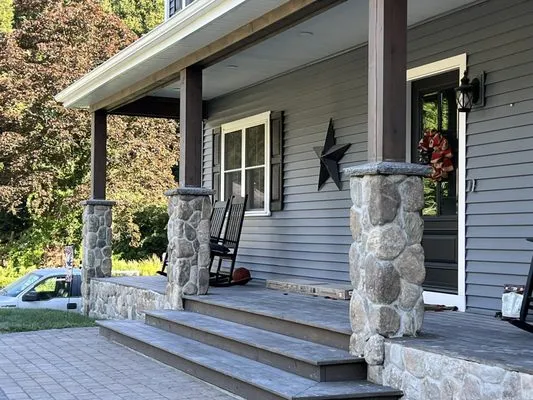
Budge It Outdoors is a family-owned, full-service landscaping business based right in Pelham, NH. We specialize in creating and maintaining beautiful, functional outdoor spaces for both homes and busi...
RK OutDoor Services
RK Outdoor Services in Weare, NH, was founded from a genuine passion for the outdoors and expertise in landscaping and excavation. Owner-driven, the business takes pride in transforming properties thr...

Bedard & Son Landscaping
Bedard & Son Landscaping is a trusted, family-owned and operated business serving Hooksett, NH, with over a decade of hands-on experience in lawn care and property maintenance. As a local team, we und...
Estimated Landscaping Service Costs in Lyndeborough, NH
FAQs
We want to regrade part of our 2.5-acre lot. What permits and contractor qualifications should we verify?
Any significant earthmoving or alteration of drainage patterns requires a permit from the Lyndeborough Planning Board. For a property of this size, the scale of work likely necessitates hiring a contractor licensed through the New Hampshire Secretary of State and preferably credentialed by the New Hampshire Landscape Association. This ensures they are bonded, insured, and trained in current erosion and sediment control standards, which are strictly enforced to protect neighboring parcels and watersheds.
We have persistent soggy areas and frost heave damage. What's the root cause and a long-term fix?
The issue is Lyndeborough's high seasonal water table interacting with dense, acidic glacial till, which has very low permeability. Surface water cannot percolate down, leading to saturation and destructive freeze-thaw cycles. The solution involves creating positive drainage away from foundations using French drains and regrading. For patios or paths, specifying local granite pavers set on a porous crushed stone base meets Planning Board runoff standards by allowing infiltration.
A storm brought down a large limb. How quickly can a crew respond for an emergency cleanup?
For urgent safety issues, we prioritize dispatch from our central staging area. A crew routing from the Lyndeborough Town Hall via NH-31 can typically reach most properties in Lyndeborough Center within our 45-60 minute peak response window. This accounts for traffic and securing necessary equipment. We coordinate directly with clients upon dispatch to provide real-time arrival estimates and assess the scope for immediate hazard mitigation.
We're tired of weekly mowing. Are there lower-maintenance, eco-friendly alternatives to our lawn?
Absolutely. Transitioning sections of high-input turf to a xeriscape of regionally native plants like Sweet Fern, Common Milkweed, and New England Aster drastically reduces water, mowing, and chemical needs. These deep-rooted perennials support local biodiversity and require no fertilization. This shift also future-proofs your property against evolving noise ordinances that may restrict gasoline-powered blowers and mowers, as these plant communities require minimal seasonal cleanup.
Our yard's soil seems thin and compacted. Does our house's age in Lyndeborough Center affect this?
Yes, directly. The average 1982 construction date means your soil has had roughly 44 years to develop since original grading. In our area, this typically involves placing imported topsoil over native acidic glacial till, creating a stratified, unstable layer. Over time, this leads to compaction and poor percolation, starving grass roots of oxygen. For lots like yours, core aeration and incorporating compost are critical to rebuild soil structure and manage the inherent low pH.
How can we keep our Kentucky Bluegrass healthy during dry spells with voluntary water conservation in place?
Effective irrigation hinges on precision, not volume. Installing smart Wi-Fi soil moisture sensors allows the system to water only when the root zone moisture drops below a programmed threshold, bypassing scheduled cycles after rain. This ET-based approach can reduce potable water use by 30-40% while maintaining turf health. It ensures compliance with voluntary conservation by eliminating runoff and aligning irrigation with actual plant needs rather than a calendar.
We're adding a patio. Is local granite a better choice than composite or pressure-treated wood?
For longevity and ecological function, local granite is superior. It has an indefinite lifespan, requires no chemical treatments, and its high thermal mass mitigates heat island effect. In Lyndeborough's Moderate Wildland-Urban Interface rating, non-combustible granite also contributes to defensible space. When set with permeable joints, it manages stormwater on-site. Wood, even composite, degrades over time and offers less value for fire-wise landscaping principles.
An aggressive vine is taking over a garden bed. How should we handle invasive species here?
First, identify the species; common threats in Zone 5b include Oriental Bittersweet and Japanese Knotweed. Manual removal is best for small infestations, ensuring all root fragments are extracted. For larger issues, targeted, late-season herbicide application by a licensed professional can be effective. Any treatment must adhere to New Hampshire's fertilizer and pesticide Best Management Practices, avoiding application near water bodies and during prohibited blackout dates to protect local watersheds.
