Top Landscaping Services in Loudon, NH, 03263 | Compare & Call

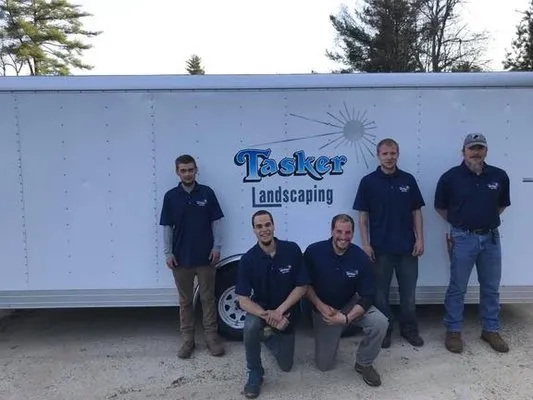
Tasker Landscaping
Founded in 1978, Tasker Landscaping began as a one-person operation in Loudon, NH, serving local homes and small businesses. Over decades, we have grown into a trusted local partner, collaborating clo...
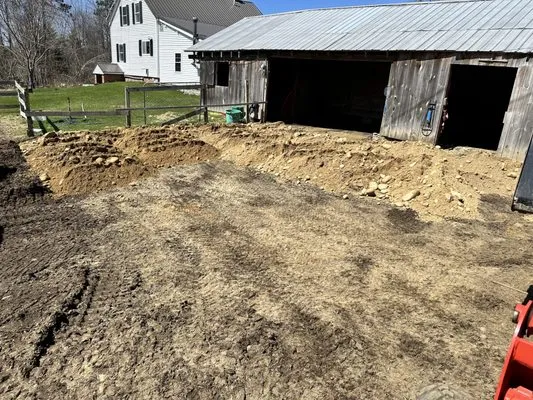
Frenette Farm is a Loudon-based landscaping and construction service dedicated to turning your property into a source of pride and enjoyment. Our approach is rooted in clear communication and meticulo...

J M Carr Landscaping
J.M. Carr Landscaping is a trusted local contractor serving the Loudon and Concord, NH area. We provide comprehensive solutions that combine thoughtful design with durable construction. Our services i...
Common Questions
Our Loudon Center yard seems compacted with poor drainage. What's happening with our soil?
Your 2008-built property has 18-year-old soil that hasn't fully matured. Loudon Center's acidic sandy loam naturally compacts over time, reducing permeability and oxygen availability to roots. Core aeration every 2-3 years is essential to break up compaction layers and improve water infiltration. Adding organic amendments like composted leaf mold will increase water retention while maintaining the pH 5.5-6.2 range that benefits native species. This combination addresses both drainage issues and nutrient availability in established landscapes.
How do we keep our Kentucky Bluegrass/Fine Fescue mix healthy during Stage 1 water restrictions?
Wi-Fi ET-based weather sensing irrigation calculates exact evapotranspiration rates for your 1.5-acre property, applying only the water turfgrass actually needs. This system reduces typical water use by 25-40% while maintaining turf health through precise scheduling. During voluntary conservation periods, we program deeper, less frequent watering cycles that encourage deeper root growth and drought tolerance. The technology automatically skips irrigation during rainfall events and adjusts for temperature fluctuations, ensuring compliance while preserving your lawn investment.
We want to reduce mowing and gas equipment noise. What native alternatives work in our yard?
Replacing high-maintenance turf with layered native plantings creates a resilient landscape that requires minimal intervention. Highbush Blueberry and Eastern Redbud provide structure while Joe Pye Weed and Little Bluestem offer seasonal interest and pollinator habitat. This approach eliminates weekly mowing needs and reduces gas-powered equipment use ahead of potential noise ordinance tightening. Native plant communities develop natural pest resistance and adapt to local precipitation patterns, creating a self-sustaining ecosystem that thrives in Zone 5b conditions with minimal supplemental watering.
Should we use granite or wood for our new patio considering fire safety and longevity?
Granite pavers offer superior durability with a 50+ year lifespan compared to wood's 15-20 year maximum in New England conditions. For Moderate Fire Wise Zone 2 compliance, granite provides non-combustible defensible space around structures while crushed stone pathways create additional firebreaks. Unlike wood, granite requires no chemical treatments that could leach into soil, and its thermal mass helps moderate temperature fluctuations. The material's natural permeability also reduces runoff compared to solid concrete surfaces, addressing both safety and environmental considerations for Loudon properties.
What permits and licenses are needed for regrading our 1.5-acre lot?
Grading work on properties over one acre requires specific professional licensing through the New Hampshire Landscape Association and NH Secretary of State. The Loudon Planning & Zoning Department issues permits for earth moving exceeding 50 cubic yards, with additional requirements for drainage alterations near property boundaries. Licensed contractors must demonstrate competency in erosion control, soil stabilization, and compliance with municipal runoff regulations. For significant grade changes, engineered plans may be necessary to ensure proper water management and prevent downstream impacts, particularly given the area's high water table conditions.
Our yard floods every spring and shows frost heave damage. What drainage solutions work here?
Loudon's high seasonal water table combined with sandy loam's limited permeability creates chronic drainage issues. We install French drains with clean crushed stone aggregate to intercept subsurface water before it surfaces. Permeable granite paver systems in problem areas allow 95% of stormwater to infiltrate naturally, meeting Planning & Zoning Department runoff standards. For frost heave susceptibility, we use flexible drainage piping below frost line depth and create gentle swales that redirect water away from foundations without creating erosion channels.
We need emergency storm cleanup before an HOA inspection tomorrow. How quickly can you respond?
Our electric maintenance fleet can dispatch from Loudon Town Hall within 30 minutes during peak hours. We route via NH Route 106 to Loudon Center, avoiding typical congestion points for reliable 25-30 minute arrival. The quiet operation of electric equipment allows us to work within standard daytime noise ordinances without disturbing neighbors. We prioritize safety assessments before debris removal, ensuring fallen branches and water-damaged areas are addressed systematically to restore property access and appearance.
We've spotted Japanese Knotweed and Garlic Mustard invading our property. How do we treat them safely?
These invasive species require immediate management before they establish deeper root systems. We use targeted herbicide applications during early growth stages, strictly following NH RSA 431:13 phosphorus restrictions and avoiding blackout dates for fertilizer applications. Manual removal combined with solarization techniques prevents soil disturbance that encourages further spread. For persistent infestations, we implement sequential treatment plans that prioritize soil health preservation while eliminating competitive invasive plants. Regular monitoring catches new invasions before they become established problems.
