Top Landscaping Services in Lee, NH, 03861 | Compare & Call
There are 146 landscaping companies server in Lee NH
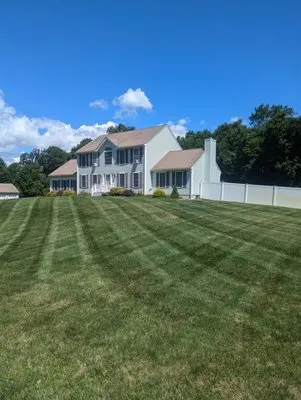
Darisse Landscape Maintenance is your local, year-round partner for landscaping and property care in Raymond, NH. We are a fully insured family business dedicated to enhancing and maintaining the natu...
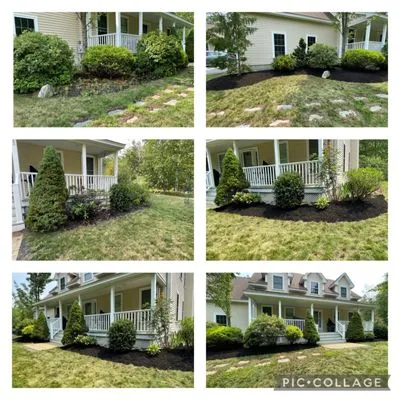
Clay's Properties brings nearly a decade of dedicated experience to landscaping and property management in Dover, NH. We focus on building lasting relationships with our community while delivering rel...
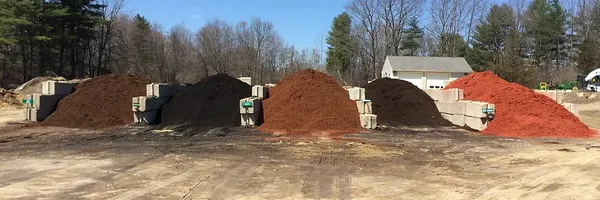
Bob Sherwood Landscape
Bob Sherwood Landscape has been a trusted presence in Dover and the Seacoast since 1981. As a full-service landscape company, we specialize in commercial maintenance and provide a comprehensive range ...
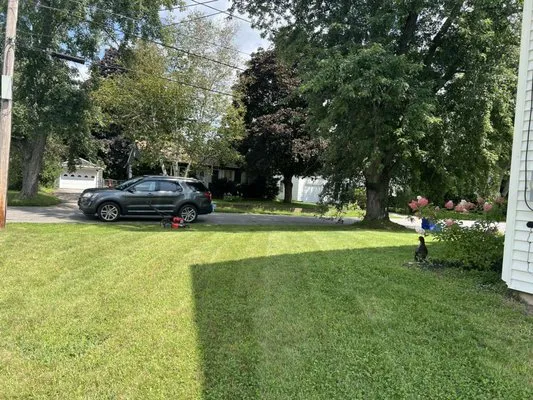
AJ's Lawn Care is a trusted local provider serving Dover, NH, specializing in comprehensive snow removal and landscaping services. We understand the unique challenges Dover homeowners face, particular...
O'Brien Landscaping is a locally owned and operated business serving Dover, NH, and the surrounding Seacoast area. We specialize in tackling the common lawn and garden challenges that Dover homeowners...
Lipinski Services is a trusted, locally-owned lawn care provider in Dover, NH, dedicated to solving common local landscaping challenges. Many Dover homeowners face issues like irrigation timer failure...

GT Lawn Care & Maintenance is a trusted local lawn service provider serving Dover, NH homeowners. We specialize in comprehensive lawn care solutions designed to address common local landscaping challe...
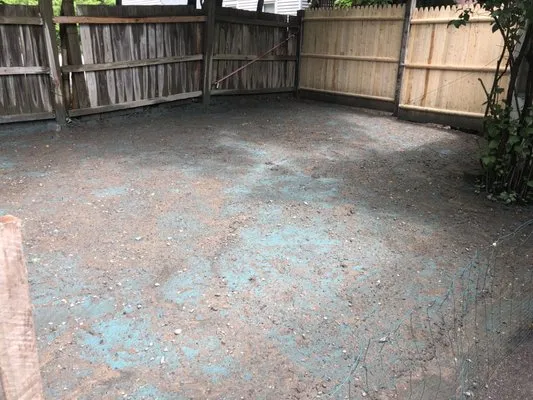
Phipps Landscape is a full-service landscaping company serving Rollinsford, NH, and the surrounding Seacoast region. We specialize in comprehensive solutions for local homeowners, tackling common issu...
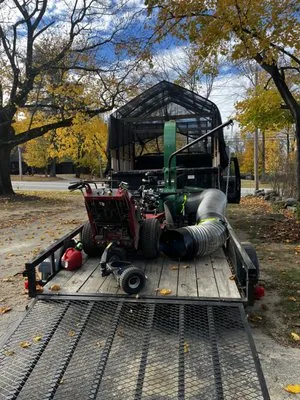
Farris & Son Property Maintenance is a trusted Rochester, NH family business specializing in lawn care and snow removal services. We help local homeowners maintain beautiful, functional outdoor spaces...
Landtech Landscaping is a trusted, full-service provider for Dover, NH homeowners. We specialize in creating and maintaining healthy, beautiful outdoor spaces that stand up to our local climate. A com...
Estimated Landscaping Service Costs in Lee, NH
Common Questions
Is New England Fieldstone a better choice than a wooden deck for my patio?
Fieldstone offers superior longevity and lower lifecycle maintenance compared to wood, which requires regular sealing and is susceptible to rot. The material's thermal mass moderates temperature swings, and its natural permeability supports groundwater recharge. For properties in Lee's Moderate Fire Wise zone, a stone patio also creates a non-combustible defensible space, enhancing safety by interrupting potential fuel continuity near the home.
Do I need a permit to regrade part of my 1.5-acre lot, and what should I look for in a contractor?
Yes, significant grading that alters water flow or involves cut/fill typically requires review by the Lee Planning and Zoning Department. On a lot this size, improper grading can lead to off-site runoff issues. Ensure your contractor holds appropriate licensing, such as membership with the New Hampshire Landscape Association, which signifies adherence to industry standards and knowledge of state regulations, including sediment control and phosphorus management for disturbed soils.
My yard pools water every spring and the ground cracks in winter. What's the cause?
This indicates two related issues common to our acidic sandy loam: a high seasonal water table and frost heave risk. The soil's structure lacks stability, causing saturation in wet periods and disruptive expansion during freeze-thaw cycles. Installing a French drain system with clean gravel and using permeable New England Fieldstone for patios or walkways improves subsurface drainage. These solutions help manage runoff, reduce heaving, and meet Lee Planning and Zoning Department standards for stormwater management.
What are lower-maintenance alternatives to my high-input lawn?
Transitioning sections of turf to a native plant community significantly reduces water, fertilizer, and maintenance needs. Species like Little Bluestem, Highbush Blueberry, and Winterberry Holly are adapted to Zone 5b and acidic soils, requiring no irrigation once established. This xeriscaping approach also reduces the need for gas-powered blowers and mowers, aligning with a forward-looking strategy as noise ordinances and emissions standards evolve.
Is it possible to keep my lawn green under Lee's water conservation rules?
Yes, using WiFi-enabled ET-based smart controllers is the standard practice. These systems automatically adjust watering schedules by pulling local evapotranspiration data, applying water only when the Kentucky Bluegrass and Fine Fescue mix genuinely needs it. This method typically reduces water use 20-30% compared to timer-based systems, ensuring compliance with Stage 1 voluntary conservation while maintaining turf health through precise, weather-responsive irrigation.
How fast can you respond to a storm-damaged tree blocking my driveway?
For emergency cleanup, we dispatch from the Lee Traffic Circle. Using NH Route 125, our peak storm response time to Lee Center is 25-35 minutes, accounting for debris and traffic. The crew arrives with a fully-equipped truck carrying a chipper, chainsaws, and rigging gear. This setup allows for immediate assessment, safe removal, and processing of woody material to clear access and mitigate further property damage.
Why does my lawn in Lee Center struggle to hold water and nutrients?
Homes built around 1985, like many in Lee Center, have soils approximately 41 years old. This acidic sandy loam naturally has low organic content and poor structure, exacerbated by decades of standard landscaping. The high sand fraction creates rapid permeability, leading to nutrient leaching and drought stress. Core aeration and incorporating 2-3 inches of composted leaf mold are essential to build stable soil aggregates and increase cation exchange capacity for healthier turf.
I see a fast-spreading vine. How do I handle invasives without harming my garden?
Early identification is critical; common alerts here include Oriental Bittersweet and Japanese Knotweed. For woody vines like bittersweet, careful manual removal of the entire root system in early spring is most effective. Spot-treating persistent herbaceous invasives with a glyphosate formulation in late summer, using a shield to protect desirable plants, is a targeted chemical option. These methods avoid broad-scale herbicide use, which is important under statewide phosphorus restrictions and local fertilizer blackout periods.
