Top Landscaping Services in Hudson, NH, 03051 | Compare & Call
There are 170 landscaping companies server in Hudson NH
Laturf Landscaping & Maintenance is a trusted, locally-owned landscaping company serving homeowners throughout Nashua, NH. We understand the common issues Nashua properties face, such as yard drainage...
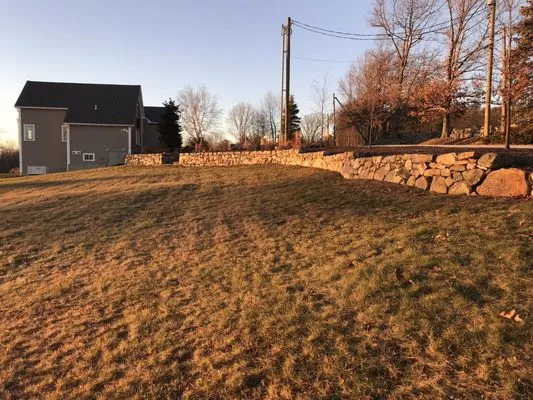
Parker Garden Design is a Nashua-based landscape design and construction firm with over four decades of experience transforming properties across New England. We specialize in creating beautiful, func...
Boyden's Landscaping
Boyden's Landscaping is a trusted, full-service landscaping company serving Pelham, NH, and the surrounding communities. We specialize in creating and maintaining beautiful, functional outdoor spaces ...
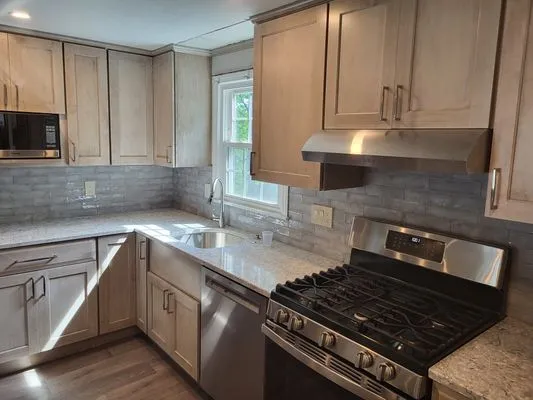
DMH Properties is a Hudson-based landscaping, tiling, and general contracting company serving Hillsborough County. We specialize in comprehensive outdoor solutions, from earthmoving and irrigation con...
Spring Landscaping is a trusted local landscaping company serving Nashua, NH, and surrounding areas. We specialize in addressing common local landscaping challenges faced by homeowners, such as irriga...
J & A Landscaping is a trusted Nashua, NH business specializing in landscaping, junk removal, and hauling services. We help local homeowners and businesses maintain beautiful, functional outdoor space...
Grizzly Landscape Maintenance is a Londonderry, NH-based landscaping and snow removal business founded by Tyler, who brings years of experience as a landscape foreman at a Massachusetts golf course. D...
Lone Wolf Landscaping
Lone Wolf Landscaping is a trusted, local provider in Nashua, NH, offering comprehensive outdoor solutions year-round. We specialize in landscape design, professional lawn care, and reliable snow remo...
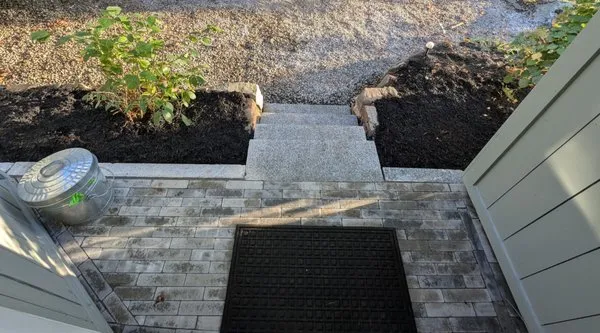
Jason's AAA Landscaping is a trusted general contractor and landscaping company serving Hudson, NH, and surrounding communities. We specialize in comprehensive outdoor solutions, from landscape design...
Bill Dutton Lawn Care is a trusted landscaping company serving Nashua, NH, dedicated to helping homeowners achieve and maintain healthy, beautiful lawns. We specialize in addressing common local lands...
Estimated Landscaping Service Costs in Hudson, NH
Question Answers
How can I reduce maintenance while supporting biodiversity?
Replacing high-maintenance turf with native plantings like Eastern Redbud, Highbush Blueberry, and Little Bluestem creates habitat while cutting water and chemical needs. These species thrive in Hudson's acidic sandy loam without fertilization, aligning with 2026 biodiversity standards. Electric maintenance equipment now meets noise ordinance requirements while eliminating emissions. A phased conversion of 0.45-acre lots to 30-40% native plantings significantly reduces mowing frequency and supports Fire Adapted Community recommendations.
What solves poor drainage in my low-lying yard?
Moderate seasonal high water tables in Hudson's glacial till require French drains or dry wells to redirect subsurface water. Granite pavers and crushed stone hardscapes provide permeable surfaces that meet Hudson Planning and Zoning Department runoff standards when installed with proper base materials. For severe cases, regrading with 2% slope away from foundations combines with rain gardens planted with moisture-tolerant natives like Joe Pye Weed. These approaches address the sandy loam's limited percolation without creating erosion issues.
Can I maintain Kentucky Bluegrass during water restrictions?
Wi-Fi ET-based weather sensing controllers automatically adjust irrigation to actual evapotranspiration rates, reducing water use 20-40% while preserving turf health. These systems sync with Hudson's Stage 1 voluntary conservation measures by skipping cycles during rainfall and reducing runtime during cooler periods. Properly programmed controllers deliver 1-1.5 inches weekly to Kentucky Bluegrass and Fine Fescue blends, focusing on early morning applications to minimize evaporation. This technology prevents overwatering that exacerbates the area's moderate seasonal high water table.
Are granite pavers better than wood for patio materials?
Granite pavers offer superior longevity with 50+ year lifespans versus wood's 15-25 years, requiring minimal maintenance in Hudson's freeze-thaw cycles. Their non-combustible nature supports Fire Wise Low rating recommendations by creating defensible space around structures. Crushed stone bases provide drainage that prevents heaving in areas with high water tables. Properly installed granite hardscapes maintain permeability for stormwater management while resisting the acidic soil conditions that degrade wood and concrete alternatives.
What invasive species threaten Hudson landscapes?
Japanese knotweed and garlic mustard present the highest risks, exploiting disturbed soils in older neighborhoods. Manual removal before seed set combined with targeted glyphosate applications during fall dormancy proves most effective. All treatments must avoid phosphorus-containing products per NH RSA 431:13 restrictions, particularly during spring blackout dates. Regular monitoring for new infestations near property edges prevents spread, while maintaining soil health with mycorrhizae inoculants helps natives outcompete invaders.
How quickly can you respond to storm damage for HOA compliance?
Emergency cleanup crews dispatch from Benson Park via NH-111, reaching most Hudson Center properties within 20-30 minutes during peak conditions. This routing avoids residential congestion while allowing equipment transport for fallen limb removal and debris management. Teams prioritize safety assessments before clearing driveways and walkways to restore access. All work complies with Hudson's noise ordinance restricting operations between 8:00 PM and 7:00 AM.
What permits and licenses does grading work require?
Grading on 0.45-acre lots typically needs Hudson Planning and Zoning Department approval for drainage alterations exceeding 100 cubic yards. Contractors must hold New Hampshire Landscape Association certification or equivalent licensing through the NH Secretary of State for earth moving operations. These requirements ensure proper erosion control during construction and long-term stormwater compliance. Unlicensed grading often violates municipal codes and can create drainage issues affecting neighboring properties in Hudson's glacial till topography.
Why does my Hudson Center lawn struggle despite regular care?
Hudson's acidic sandy loam soil, common in glacial till areas like Hudson Center, has matured for 55 years since the average 1971 home construction. This soil type develops compaction and nutrient depletion over decades, reducing permeability for water and oxygen. Core aeration every 2-3 years with organic amendments like composted leaf mold addresses compaction while maintaining the pH 5.5-6.5 range. Without this intervention, turfgrass roots cannot access the 6-8 inch depth needed for drought resilience in USDA Zone 5b.
