Top Landscaping Services in Holderness, NH, 03245 | Compare & Call
There are 106 landscaping companies server in Holderness NH
Newfound Lawncare is a Bristol-based lawn service provider dedicated to enhancing the health and beauty of local landscapes. We specialize in both organic-based and traditional lawn care programs, foc...
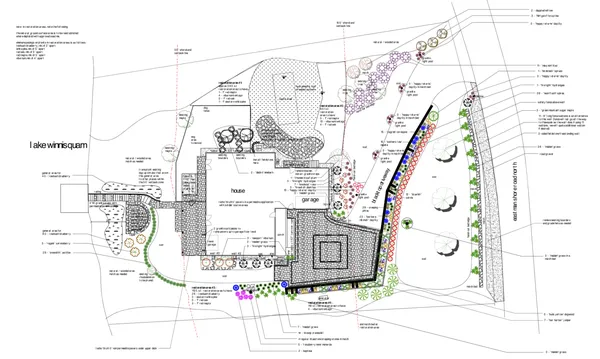
Golden Leaf Landscapes has been transforming outdoor spaces in Alexandria and throughout the Lakes Region for over 25 years. As a full-service landscaping company, we specialize in creating customized...
Josh's Landscaping Service is a Bristol, NH-based company dedicated to tackling the common landscaping challenges faced by local homeowners. Many properties in the area experience issues like rock gar...
Canfield Landscaping is a trusted, full-service landscaping company serving Center Sandwich, NH, and the surrounding area. We specialize in lawn care, snow removal, and tree care services to help loca...
Top of the Line Lawncare is a dedicated lawn service provider in Rumney, NH, specializing in comprehensive lawn care solutions tailored to the unique challenges of the local area. Many Rumney homeowne...
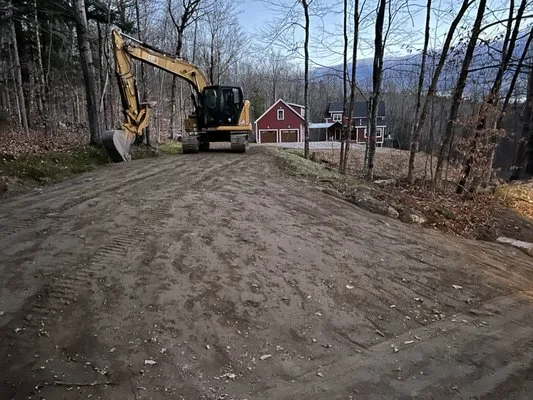
ARC Excavation and Site Development is a Veteran-owned and operated excavation company proudly serving Bristol, New Hampshire and the surrounding communities. With 15 years of specialized experience, ...
Estimated Landscaping Service Costs in Holderness, NH
Q&A
Is local granite better than wood for patio materials?
Local granite offers superior longevity with minimal maintenance compared to pressure-treated wood. Granite's thermal mass moderates temperature extremes while providing non-combustible surfaces crucial for WUI Zone 2 compliance. Permeable stone installations maintain defensible space requirements without creating fuel ladders. Properly installed granite patios typically last 50+ years with occasional joint sand replenishment, versus wood's 15-20 year lifespan requiring regular sealing and replacement.
What solutions prevent frost heave damage in my yard?
Seasonal saturation in acidic Spodosol soils exacerbates frost heave through repeated freeze-thaw cycles. Installing permeable crushed stone pathways creates subsurface drainage channels that redirect water away from foundations. The Holderness Planning Board requires runoff management for projects exceeding 500 square feet; graded swales with native stone check dams meet these standards while improving soil percolation rates by 40-60%.
What permits are needed for regrading my 1.2-acre property?
The Holderness Planning Board requires erosion control plans for any grading disturbing over 10,000 square feet. New Hampshire Landscape Association licensing ensures contractors understand slope stabilization techniques for the region's variable topography. Certified professionals must calculate cut-and-fill balances to prevent off-site sedimentation into Squam Lake watersheds. Unlicensed grading risks fines up to $5,000 daily and mandatory restoration orders for violating state soil conservation statutes.
How quickly can you respond to storm damage for HOA compliance?
Emergency cleanup crews dispatch from the Squam Lakes Natural Science Center area via I-93, arriving within 45-60 minutes during peak response windows. We prioritize safety assessments before debris removal, focusing on fallen limbs threatening structures or blocking access. All equipment operates within Holderness's standard daytime hours (7am-8pm), with electric chainsaws reducing noise impact on neighboring properties.
Can I reduce mowing without sacrificing landscape appearance?
Replacing high-maintenance turf with native plantings creates resilient, low-input landscapes. Highbush Blueberry and Sweet Fern thrive in Holderness's acidic soils while providing year-round structure. These plantings require no gas-powered maintenance, aligning with evolving noise ordinances targeting leaf blowers. A phased conversion using Winterberry Holly for winter interest can reduce mowing areas by 50% within three growing seasons.
How do I control invasive plants without chemical runoff?
Japanese knotweed and garlic mustard pose significant threats in Holderness's moist soils. Manual removal during early growth stages prevents seed set without violating New Hampshire's phosphorus reduction guidelines. For persistent infestations, targeted glyphosate applications in late fall minimize drift risks when native plants are dormant. Always maintain 10-foot buffers from water features and coordinate treatments outside of recommended blackout periods for sensitive areas.
Why does my Holderness Village lawn struggle with compaction and poor drainage?
Holderness Village properties built around 1979 have 47-year-old soil profiles. Acidic Spodosol soils (pH 4.5-5.5) naturally develop dense layers that restrict root growth and water movement. These soils benefit from annual core aeration in early fall to improve oxygen exchange and organic matter incorporation. Adding composted leaf mold or pine bark fines helps buffer acidity while increasing microbial activity essential for nutrient cycling.
Should I install irrigation during Stage 0 water restrictions?
Stage 0 conditions allow irrigation but warrant smart water management. Wi-Fi soil moisture sensors prevent overwatering by tracking evapotranspiration rates specific to Holderness's microclimate. These controllers maintain Kentucky Bluegrass/Fine Fescue mixes at 85% of reference ET, conserving approximately 30% compared to timer-based systems. Proper scheduling avoids midday evaporation losses while meeting turf health requirements without triggering future restrictions.
