Top Landscaping Services in Henniker, NH, 03242 | Compare & Call

There are 76 landscaping companies server in Henniker NH
Stanton Landscaping is a trusted Manchester, NH-based landscaping company dedicated to solving common local property challenges. Many Manchester homes face issues like irrigation timer failures and dy...
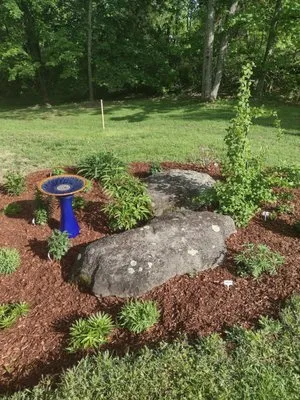
Woody's Landscaping is a full-service, locally-owned landscaping company dedicated to enhancing and maintaining the beauty of Sunapee, NH properties. We offer comprehensive care, from initial landscap...
Rain Or Shine Landscape LLC is a Manchester-based landscaping and masonry company dedicated to enhancing outdoor spaces for local residents and businesses. We specialize in comprehensive landscaping c...
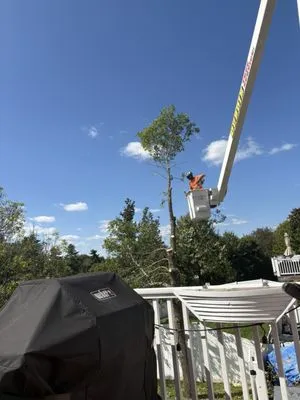
Dubois Tree Service, operating in Manchester, NH since 1984, is a locally-owned company specializing in comprehensive tree management and outdoor services. Led by an NH-certified arborist and associat...
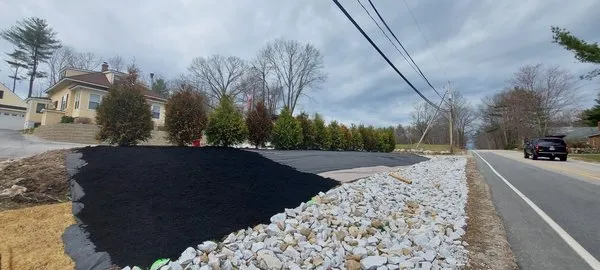
Green Vision is a licensed and insured landscaping and tree service provider serving Manchester, NH, and surrounding areas like Hooksett and Concord. With extensive horticultural experience, we offer ...
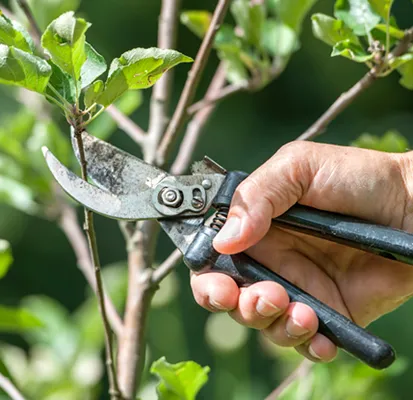
Accurate Tree Service is a locally owned and operated tree care company serving Hooksett and surrounding communities. Founded in 2007 by David J. Burl, a New Hampshire native with over 13 years of ind...
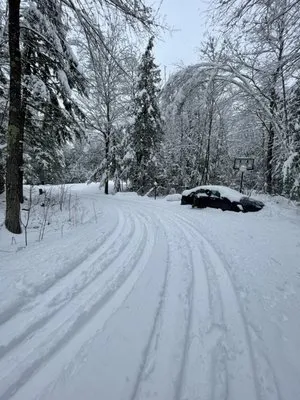
Landscape Plus
At Landscape Plus in Goffstown, NH, owner Adam brings over 16 years of direct experience to every project, ensuring your vision for an outdoor environment becomes a reality. As a family-run business e...
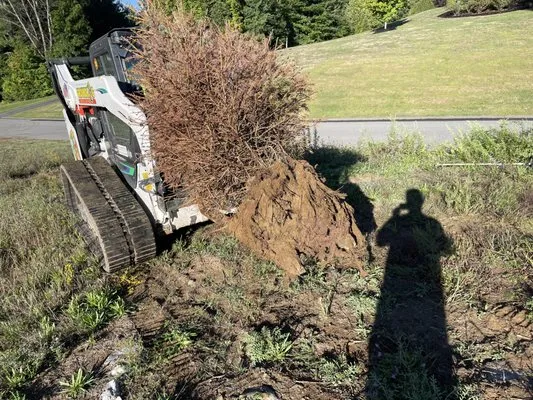
Shampney & Son's Four Seasons Landscaping
Shampney & Son's Four Seasons Landscaping is a family-owned business serving Bow, NH, and surrounding areas since 2010. With over 20 years of combined experience, owner David Shampney and his team pro...
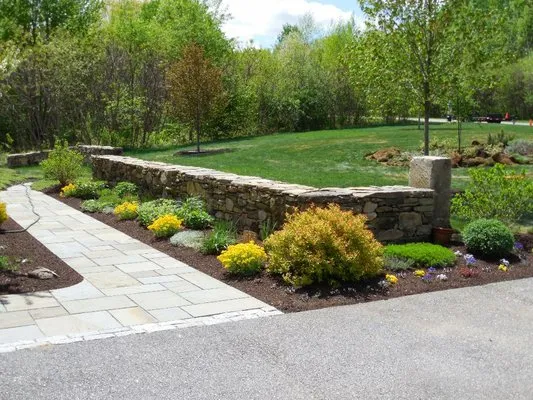
Eastern Valley Landscape has been serving Concord, NH, since 1991, founded on the principle of creating high-quality landscapes with meticulous attention to detail and exceptional customer service. Fo...
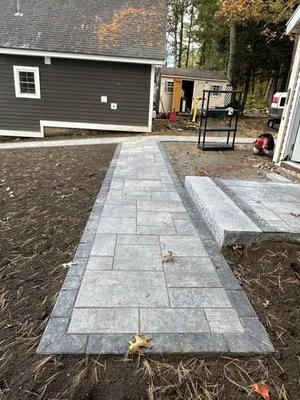
For over three decades, DMP has been a trusted name in Merrimack, NH, providing full-service landscaping solutions rooted in landscape architecture and design. We specialize in transforming outdoor sp...
Estimated Landscaping Service Costs in Henniker, NH
Questions and Answers
Our lawn in Henniker Village never seems to thrive. Why is the soil so difficult here?
Houses built around 1972, common in your neighborhood, sit on over 50-year-old landscapes where soil structure has degraded. The native acidic sandy loam (pH 5.5-6.2) becomes compacted over time, severely limiting root penetration and water infiltration. This necessitates annual core aeration in early fall and the incorporation of compost to rebuild organic matter and improve cation exchange capacity, which is critical for nutrient availability in acidic soils.
What invasive species should we watch for, and how do we handle them safely?
In Henniker, be vigilant for Japanese Knotweed and Glossy Buckthorn, which thrive in disturbed soils. Manual removal for small infestations is best. For larger problems, a targeted, phosphorus-free herbicide application by a licensed professional is effective and complies with local ordinance. Timing is critical; treatments are most effective in late summer or early fall, aligning with the plant's nutrient draw and avoiding spring runoff periods.
Do we need a permit or special license to regrade our .75-acre lot?
Yes. Significant regrading that alters stormwater flow or involves more than 50 cubic yards of earth movement typically requires a permit from the Henniker Planning & Building Department. For design and oversight, the New Hampshire Landscape Architects Board licenses professionals for projects of this scale. This ensures the work complies with state erosion control standards and local zoning, protecting both your investment and downstream properties.
If a major storm downs a tree, how quickly can a crew get here for emergency cleanup?
For an emergency HOA compliance or safety cleanup, our primary dispatch from the New England College Campus area uses NH-Route 202. Accounting for peak traffic and storm debris on secondary roads, a dedicated crew can typically be on-site in Henniker Village within the 45-60 minute window. We prioritize routes that avoid known flood zones, which is a key part of our storm response protocol for the area.
Are granite patios a better choice than wood decks for our area?
For longevity and low maintenance in USDA Zone 5b, granite pavers and crushed stone are superior to wood. Granite withstands freeze-thaw cycles with minimal deterioration and does not rot, warp, or require sealing. From a Firewise perspective for Henniker's Moderate rating zone, non-combustible hardscape materials like stone provide critical defensible space, enhancing property resilience in the Wildland-Urban Interface.
How can we keep our Kentucky Bluegrass lawn healthy without wasting water?
Under Henniker's Stage 0 voluntary monitoring, proactive conservation is key. Smart Soil-Moisture Sensor (SMS) controllers are the standard. They bypass scheduled watering when soil moisture is adequate, applying water only at the root zone when evapotranspiration (ET) rates demand it. This technology can reduce irrigation volume by 20-30% while preserving turfgrass health, keeping you well within expected municipal guidelines.
Our yard is soggy in spring and suffers frost heave. What's the solution?
The high seasonal water table in Henniker's sandy loam exacerbates frost heave and surface pooling. Corrective grading to create positive flow away from foundations is the first step. For hardscapes, we specify permeable installations using crushed stone bases and granite pavers set with open joints. This system increases infiltration, meets the Henniker Planning & Building Department's runoff management standards, and mitigates freeze-thaw damage.
Is there a lower-maintenance, eco-friendly alternative to our traditional lawn?
Yes, transitioning sections of high-input turf to a xeriscape of New Hampshire natives like Common Milkweed, Wild Bergamot, and New England Aster is highly recommended. These deep-rooted perennials support 2026 biodiversity goals, require no fertilization once established, and need minimal watering. This shift also reduces dependency on gas-powered blowers and mowers, future-proofing your property against potential tightening of the local noise ordinance.
